
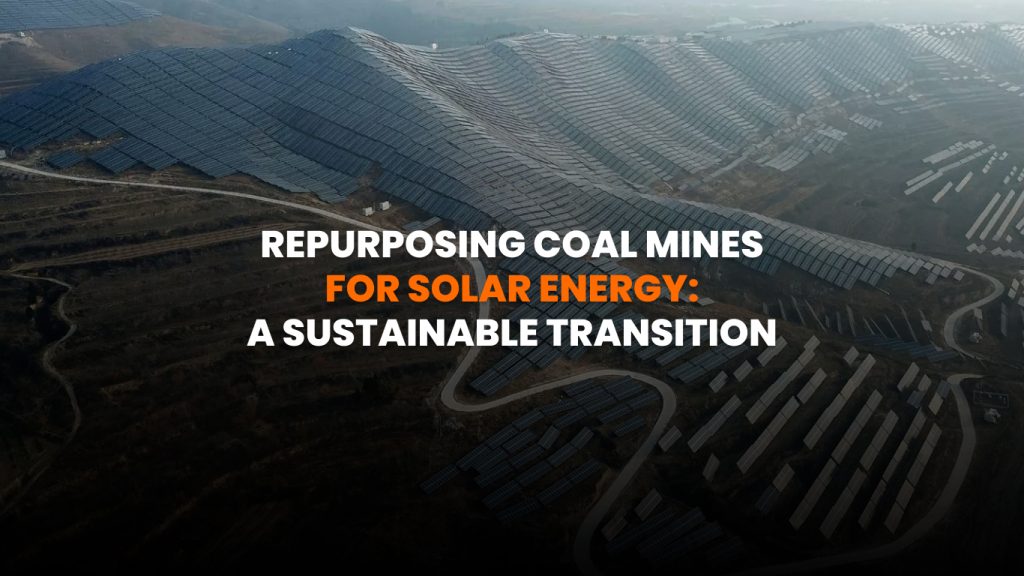
The global energy sector is continuing to shift as countries look for cleaner alternatives to fossil fuels. One approach receiving more attention in the United States is the conversion of retired coal mines into solar energy projects. Instead of leaving these sites unused, developers are beginning to repurpose former mining land for renewable energy generation. This strategy helps address land availability challenges for utility-scale solar while also giving former industrial sites a new purpose.
A recent report from Global Energy Monitor (GEM) estimates that more than 300 surface coal mines that recently stopped operations could support around 103 GW of solar capacity globally. Future mine closures could add another 185 GW of potential solar development. For the U.S., this creates a major opportunity to turn previously disturbed land into productive renewable energy sites while reducing pressure on undeveloped land areas.
Why Former Coal Mines Make Sense for Solar
One of the biggest advantages of coal-to-solar projects is infrastructure access. Many retired mining sites are already located near transmission lines and electrical substations because they previously supported coal operations. This can reduce development costs and shorten project timelines compared to building solar farms in entirely new locations.
Former coal mining land also tends to be difficult to redevelop for housing or agriculture, making solar a more practical long-term use. Instead of leaving these areas abandoned, solar projects can help restore economic activity while improving land utilization.
Growing Interest Across the United States
Interest in coal-to-solar redevelopment has increased in several parts of the country, particularly in former coal-producing regions such as Appalachia and parts of the Midwest. State governments, utilities, and private developers are exploring ways to convert unused mining land into utility-scale solar projects.
Many of these communities have already experienced job losses tied to coal plant closures and declining mining activity. Renewable energy development is increasingly being viewed as one possible way to bring investment, construction work, and long-term operations jobs back into these regions.
Several U.S. projects are already moving forward on reclaimed mining land, with developers taking advantage of available acreage and existing grid infrastructure.
Environmental and Economic Benefits
Repurposing coal mines for solar projects can provide multiple long-term benefits.
Reuse of Disturbed Land
Utility-scale solar projects often require large amounts of land. Using former mining sites helps avoid developing untouched farmland or natural habitats.
Reduced Environmental Risk
Abandoned mining areas can face issues such as erosion, soil instability, and water contamination. Redevelopment projects may include remediation work that improves site conditions over time.
Support for Local Economies
Solar construction projects can create temporary and permanent jobs in areas previously dependent on coal-related industries. Local governments may also benefit from additional tax revenue tied to renewable energy development.
Expansion of Clean Energy Capacity
Coal-to-solar projects support broader renewable energy goals while helping utilities diversify electricity generation sources.



Challenges Still Exist
Despite the potential, converting coal mines into solar farms is not always straightforward.
Developers still need to manage:
- Land ownership and permitting requirements
- Environmental cleanup and remediation work
- Site preparation and engineering challenges
- Grid upgrades and interconnection approvals
- Financing and project development costs
Some mining sites may require significant restoration work before construction can begin safely. In other cases, older grid infrastructure may need modernization to support large-scale solar generation.
Outlook for Coal-to-Solar Development in the U.S.
As utilities continue retiring coal assets and renewable energy demand increases, interest in repurposing former mining land is expected to grow. Federal incentives, clean energy funding programs, and state-level renewable energy targets may also help support additional projects in the coming years.
For many former coal communities, solar redevelopment represents an opportunity to reuse existing industrial land while participating in the country’s broader energy transition.
Conclusion
Converting retired coal mines into solar farms is becoming a more practical option across the United States. Existing transmission infrastructure, large amounts of available land, and growing renewable energy demand make these sites increasingly attractive for solar developers.
While challenges around permitting, remediation, and financing remain, coal-to-solar projects offer a way to support clean energy growth while bringing new investment into regions historically tied to coal production.
Stay ahead of the solar market with Sunhub News for real-time updates, trends, and industry insights. For deeper analysis, practical guides, and expert perspectives, follow Sunhub Blogs and stay informed where it matters most.