

As we reshape how energy is generated, consumed, and managed, a powerful concept is rising to the forefront: solar microgrid solutions. Rather than relying entirely on large, centralized power plants and long transmission lines, microgrids combine local generation, often solar, with storage and smart controls to deliver electricity where it is used. This approach offers benefits in reliability, sustainability, and energy independence.
In this post we explore what solar microgrids are, how they work, why they are increasingly attractive for businesses, communities, and infrastructure, and what you should consider before opting for one.
What is a microgrid and how does solar fit in
A microgrid is a self-contained electrical network that can operate either connected to the utility grid or in an independent “island” mode. In essence, it is a local power system with its own generation, storage (often batteries), and load (buildings, facilities, or a group of users).
When you combine a microgrid with solar panels and battery storage, you get a solar microgrid, a system that can generate electricity from sunlight, store surplus energy, and supply power even when the main grid fails or during peak demand.
This model differs from traditional grid-connected solar in that it gives you greater control. Instead of sending extra power to the grid (or being forced offline during outages), a solar microgrid can store that power or immediately use it, maintaining continuity even if the broader grid goes down.
Microgrids come in several types:
- Grid-connected microgrids, which normally rely partly on the utility grid but can switch to island mode when needed.
- Remote or off-grid microgrids, fully independent and ideal for locations without reliable utility access.
- Networked or nested microgrids, where multiple microgrids or distributed energy resources (DERs) coordinate within a larger geographic area.
Why solar microgrids are gaining traction
Resilience and reliability
One of the biggest advantages of a solar microgrid is resilience. Microgrids can “island”, disconnect from the main grid, and continue to power critical loads during outages. That makes them particularly valuable for facilities that cannot afford downtime: hospitals, data centers, campuses, industrial plants, and emergency infrastructure.
A microgrid can supply electricity locally during storms, grid failures, or peak demand periods, when the larger grid might be strained or offline.
Reduced energy waste and better efficiency
Since energy is created where it is used, solar microgrids cut down transmission losses that occur when electricity travels long distances from centralized power plants.
Also, by combining solar generation with battery storage and smart controls, microgrids can smooth out fluctuations in supply and demand. For example, they can store excess solar energy during the day for use at night or during peak demand, reducing reliance on expensive peak-time electricity.
Environmental benefits
Solar microgrids support clean energy adoption. By relying on solar (or other renewables) instead of fossil fuels, they reduce greenhouse gas emissions and pollution associated with traditional electricity generation.
They also help accelerate the transition away from large fossil-fuel power plants and long-distance transmission, paving the way for a more decentralized, sustainable energy future.
Financial benefits and flexibility
For organizations, microgrids can lower or stabilize energy costs in the long run. Because the energy is generated onsite and consumption is local, microgrids may avoid some costs associated with grid transmission, demand charges, or peak pricing.
Furthermore, modern microgrid solutions often come with flexible financing models, for example “energy-as-a-service,” in which third-party providers design, build, and maintain the system, while the customer pays for energy or services instead of upfront capex.
That reduces financial barriers, making solar microgrids accessible to businesses or institutions that may not want to handle the complexity and upfront investment themselves.
Adaptability to modern energy demands: EV charging, electrification, demand response
As buildings, campuses, and industries increasingly electrify, think electric vehicle (EV) charging, heat pumps, or heavy equipment, their energy demands grow. Microgrids help manage that growth by offering flexible, scalable supply capacity.
Because microgrids can integrate solar, storage, and smart control, they are well suited to support variable loads, shifting demand, and even contribute to grid services like demand response or virtual power plants (VPPs).
Who benefits most from solar microgrid solutions
Solar microgrids are not just for remote villages or off-grid locations. Today, a wide variety of users are adopting them:
- Hospitals, medical campuses, and data centers. These facilities require constant power and cannot tolerate outages.
- Industrial and manufacturing sites. Large loads, high energy usage, and critical operations make them ideal for microgrid investment.
- Universities, corporate campuses, and large facilities. These often have complex power needs, shift-based usage, and sustainability goals.
- Municipalities, emergency services, and public infrastructure. Microgrids help ensure essential services stay online during disasters or grid issues.
- Communities and remote areas with unreliable or expensive grid access. A solar microgrid can deliver local, stable power where the central grid is weak or absent.
What to consider before investing in a solar microgrid
While microgrids offer many advantages, they come with complexity. If you are considering one, here are important factors to keep in mind:
System design and sizing: You’ll need expert assessment of your power demand, generation potential (sunlight, renewables), storage needs, and load profile. Oversizing or undersizing can reduce efficiency or raise costs.
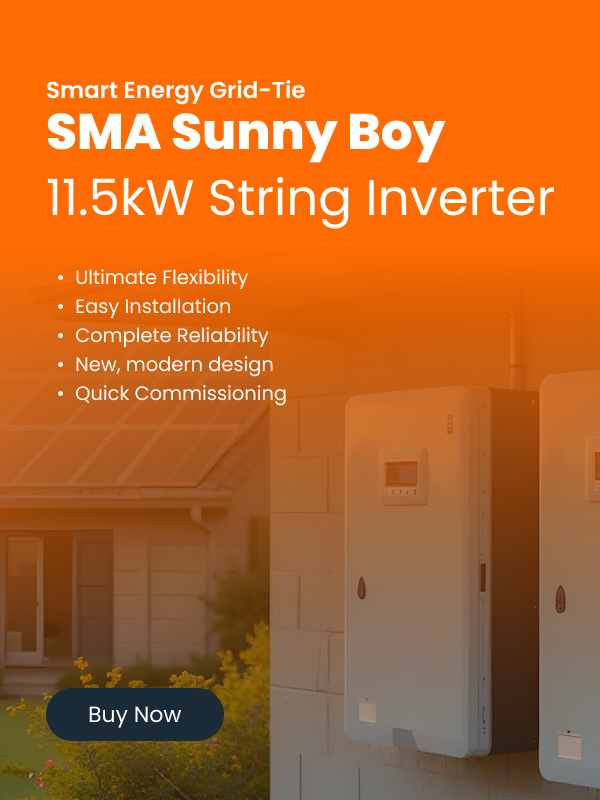
Hardware and control system: A microgrid isn’t just solar panels and batteries. You need inverters, energy-management software, possibly backup generators, and controls to switch between grid-connected and island modes.
Cost and financing: Microgrids vary widely in size and complexity. Some can be relatively modest; others are large-scale systems requiring substantial investment. It helps to explore financing models like energy-as-a-service to spread or defer costs.
Regulatory and utility integration: Because microgrids may export power to the grid or interact with utility systems, you should check local regulations, net-metering or export policies, interconnection rules, and any permit requirements.
Maintenance and reliability: Like any technical system, microgrids need ongoing maintenance, batteries, inverters, controls, and periodic testing to ensure they switch properly and remain safe.
Return on investment and long-term goals: Calculate expected savings, payback timeframe, environmental benefits, and resilience improvements. A well-designed system can pay off over years, especially when considering rising electricity rates, grid instability, or the cost of backup infrastructure.
Solar microgrid solutions: Turning uncertainty into control
Solar microgrid solutions are more than just a trend in renewable energy, they are a strategic shift in how we think about power generation and consumption. By combining local generation, energy storage, and control systems, microgrids empower businesses, institutions, communities, and even individual campuses to take control of their energy future.
They reduce dependency on centralized grids, boost resilience to outages or extreme weather, cut transmission losses, enable clean energy adoption, and provide flexibility for modern energy demands like EV charging or electrification.
If you are evaluating energy solutions for a facility, business, campus, or community, especially one with high energy usage or critical reliability needs, a solar microgrid could turn your power supply from a vulnerability into a strategic asset.
Sources
- What is a microgrid and how solar microgrids work. (Schneider Electric)
- Environmental, efficiency, and resilience benefits of microgrids. (Center for Climate and Energy Solutions)
- How smart microgrids and energy-as-a-service models reduce upfront cost and accelerate deployment. (Schneider Electric)
- Role of microgrids in modern energy demands, grid support, and electrification. (microgridknowledge.com)