
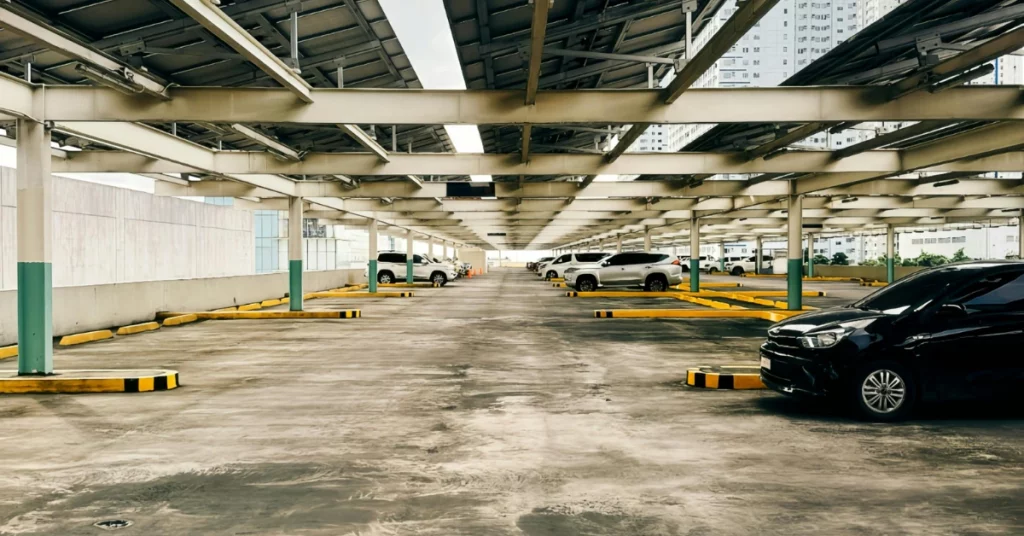
Commercial solar carport structures are becoming a cornerstone of sustainable infrastructure for businesses, providing shaded parking and cost-saving clean energy production. But beyond the steel beams and photovoltaic panels lies another critical piece of the puzzle: solar asset management software. This class of software helps owners, operators, and maintenance teams monitor, analyze, and optimize the performance of solar systems, especially complex installations like commercial carports that often service multiple loads, electric vehicle chargers, and power management systems.
In this article we’ll explain what solar asset management software is, how it works, why it matters for commercial solar carport structures, and how modern solutions help maximize energy production while reducing operational costs and risks.
What solar asset management software is
At its core, solar asset management software is a digital platform designed to give owners and operators visibility and control over their solar energy systems. It does more than simply track energy production. It collects performance data, analyzes trends, alerts teams to anomalies, and supports decision-making for maintenance and optimization.
For commercial solar carports, which may include large arrays, integrated storage, vehicle charging stations, and complex electrical interconnections, an asset management platform provides centralized monitoring and analytics that keep the entire structure performing at its best.

Why management matters for commercial solar carports
Commercial solar carports are more than just roofs with panels. They often power a variety of dynamic loads, from lighting and building systems to fleets of electric vehicles. This complexity means that keeping them operating at peak performance requires continuous oversight and timely action. Solar asset management software helps businesses:
Increase energy yield
Software tools collect real-time and historical production data to identify inefficiencies or underperforming components. This allows operators to make adjustments that increase a system’s overall energy output.
Reduce operational costs
By automating monitoring and reporting, the software cuts the labor needed for manual checks and helps pinpoint problems early, reducing costly downtime and emergency repairs.
Support predictive maintenance
Instead of relying solely on fixed schedules for maintenance, advanced tools use data patterns to predict when a component might fail, allowing teams to intervene before issues escalate. This increases uptime and extends equipment life.
Enhance safety and compliance
Asset management platforms often integrate safety checks, reporting tools, and audit trails that help commercial operators meet regulatory obligations and maintain a safe working environment.
Streamline reporting and stakeholder communication
Detailed reports and dashboards help demonstrate performance to stakeholders, investors, sustainability teams, and facility managers, making it easier to communicate value and justify investments.
How solar asset management software works
Solar asset management platforms bring together multiple data streams and tools into a single, unified view of your system. Here’s how they typically operate:
Real-time monitoring and data collection
The software collects data from inverters, meters, panels, weather sensors, and other components. This real-time monitoring allows operators to see exactly how much energy a commercial solar carport is producing at any moment. Real-time data helps spot issues immediately rather than after a scheduled inspection.
performance analytics and visualization
Once data is collected, advanced analytics identify patterns and trends that influence performance. Dashboards provide clear visual insights into how different parts of the system are performing, highlighting areas that may require attention. Tools often include weather-corrected performance analysis to evaluate output against environmental conditions.
Maintenance and work order integration
Modern solutions tie monitoring data to maintenance workflows. When a potential issue is flagged, such as an inverter fault or panel mismatch, the system can generate a work order, notify technicians, and track responses from start to finish. Automated scheduling and documentation streamline field operations and reduce bottlenecks.
Predictive insights and forecasting
By combining historical data with machine learning or statistical models, solar asset management software can forecast future performance and anticipate problems. Predictive insights help teams prioritize critical maintenance, saving time and cost compared with purely reactive strategies.
Reporting and compliance tools
Platforms often include customizable reporting tools that generate performance summaries, efficiency metrics, and compliance documentation. These reports are useful for internal planning, investor relations, and regulatory reporting.
Features to look for in asset management software
Selecting the right solar asset management software can make a major difference in how effectively you run your carport array. Some key features include:
Real-time dashboard and alerts
A clear, intuitive dashboard lets operators see system health at a glance, while automated alerts notify teams when performance deviates from expected norms. This keeps issues from going unnoticed for long periods.
Remote access and mobile support
Cloud-based platforms and mobile apps enable access from anywhere. Facility managers can check performance or respond to alerts without needing to be physically on site.
Integration with field tools
Integrated work order management and field reporting ensure that data flows from the software to technicians in the field, helping avoid communication gaps between monitoring and maintenance teams.
Multi-site and portfolio management
For businesses with multiple commercial solar carport locations, the software should provide a centralized view that allows performance comparison and consolidated oversight. Multi-site tools support benchmarking and resource allocation across a portfolio.
Advanced analytics and performance benchmarking
Performance analytics allow you to benchmark production across time, compare against expected yields, and break down output by component or location. This helps spot persistent inefficiencies or opportunities to improve system design and operations.
How asset software supports modern O&M
Asset management software doesn’t replace skilled technicians; it empowers them. By providing comprehensive data and insights, software transforms operations and maintenance (O&M) from a reactive task into a proactive discipline. For commercial solar carport structures, this is especially valuable because:
- Condition-based maintenance improves uptime by fixing issues before they escalate.
- Data-driven decision-making allocates resources efficiently, focusing efforts where they matter most.
- Historical performance records support warranty claims and lifecycle planning.
- Integration with predictive maintenance tools alerts teams to potential faults early.
The shift from traditional time-based maintenance to data-driven O&M is one of the biggest changes in solar operations in recent years, and asset management software sits at the heart of that evolution.
Benefits for commercial operators
For companies investing in commercial solar carport structures, the advantages of using asset management software extend beyond system health into operational efficiency and financial performance:
Maximized energy production
Continuous monitoring identifies inefficiencies or losses quickly, ensuring that the system produces as much energy as possible over time. This is especially important for carports tied to EV charging or demand-response programs where uptime translates directly into revenue.
reduced operational costs
Automated alerts and predictive insights help reduce unnecessary site visits, prevent costly failures, and optimize maintenance schedules, lowering overall service costs.
Improved reliability and safety
By detecting performance anomalies early, asset management software helps avoid equipment failures that can disrupt operations or pose safety risks. It also centralizes documentation needed for compliance and audit purposes.
Enhanced return on investment
Better performance, reduced downtime, and more efficient maintenance contribute to higher return on investment (ROI) for solar assets. The software helps operators get the most value from their commercial solar carport structures over the lifetime of the system.
Case for the future
As solar portfolios grow and digital transformation continues across the energy industry, solar asset management software will become even more vital. Next-generation solutions are integrating more AI-driven analytics, supporting automated decision support, and providing enhanced visibility across increasingly distributed energy resources. This means asset managers will have unprecedented insights that help extract maximum performance from every solar project, including shade-optimized and EV-integrated carports.
Conclusion
Solar asset management software is no longer just a helpful tool, it’s a foundational element of successful solar operations for commercial solar carport structures. These systems bring together real-time monitoring, analytics, predictive insights, remote access, and streamlined workflows that help keep solar arrays operating efficiently and reliably. By harnessing the power of data and modern software design, asset owners can increase energy yields, reduce O&M costs, and protect their investment over the long term.
In a 2025 energy landscape where performance and sustainability matter more than ever, choosing the right solar asset management software is a strategic decision that can differentiate top-performing solar portfolios from the rest.