
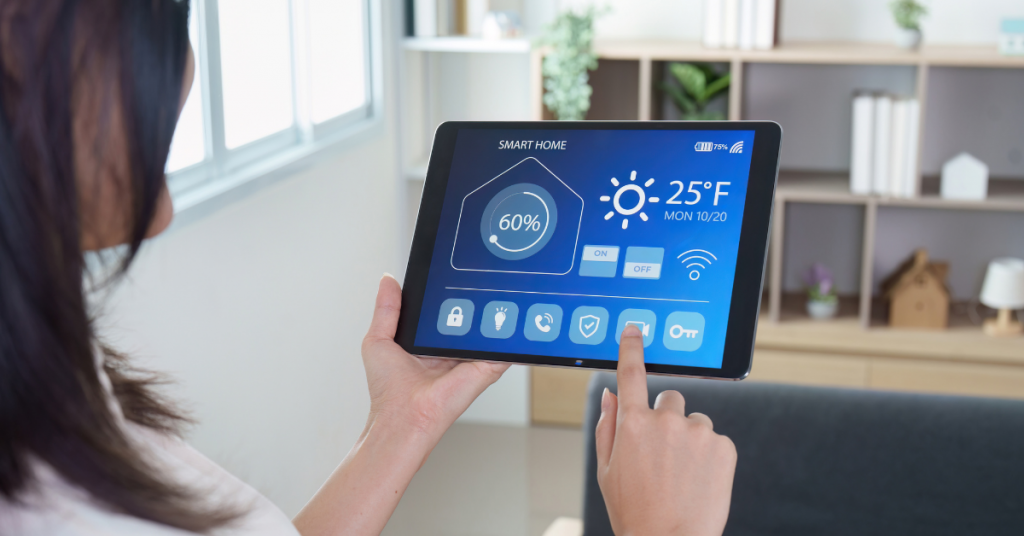
A smarter home isn’t just about owning the latest gadgets. It’s about creating an intelligent, efficient, and connected living space that adapts to your needs, helps lower your bills, improves comfort, and reduces environmental impact. In 2026, smart home technology has matured in ways that make it practical and meaningful for everyday life, not just something for tech enthusiasts.
From cutting energy costs to using renewable energy and predictive systems, a smarter home blends convenience with sustainability. Here’s a full look at what a smarter home is, why it matters now more than ever, and how you can build one step by step.
What a smarter home really is
At the core, a smarter home uses devices and systems that communicate with each other and with you. These systems are often connected through your home network, controlled through smartphones, voice assistants, or centralized hubs. Smart home tech includes things like smart thermostats, lighting, security cameras, locks, energy monitors, and even smart appliances. They respond to data, user preferences, schedules, or real-time conditions to make homes more efficient, comfortable, and convenient.
The “smart” in smart homes usually means automation and optimization. Devices learn user habits, share data, adjust settings automatically, and help manage energy use without requiring constant manual input.
Why smarter homes matter today
Smart homes matter for several key reasons:
Energy efficiency and lower bills
One of the biggest drivers of smart home adoption is energy savings. Automated systems like smart thermostats can reduce heating and cooling use by adjusting temperatures based on occupancy and daily routines. Research shows smart thermostats can reduce heating and cooling energy use significantly each year, which translates to lower utility costs.
Systems that monitor energy use in real time help homeowners see where power is being consumed, adjust habits, and focus upgrades where they matter most. These tools often integrate with renewable energy systems like solar panels and home batteries, further boosting efficiency.
Convenience and comfort
Smart homes make daily life easier. You can control lights, thermostats, locks, sprinklers, and appliances from your phone, voice assistant, or set them to work on their own schedules. For example, lights can come on at sunset, thermostats can lower during sleep hours, and coffee makers can start when your alarm sounds. This level of automation contributes to comfort and peace of mind.
Safety and security
Smart security systems, including cameras, door locks, motion sensors, and alarms, keep homeowners connected to their property even when they are away. These systems can send instant alerts about unusual activity and allow remote monitoring and control.
Environmental impact
Smart homes help reduce carbon footprints by lowering energy waste and integrating renewable energy sources like solar panels. When smart energy systems interact with solar and storage, they can optimize when and how electricity is used, reducing reliance on grid power and fossil fuels.
Key elements of a smarter home
A truly smarter home brings together multiple systems. Here’s how each contributes:
Smart thermostats and climate control
Smart thermostats replace traditional ones by learning your routines and adjusting temperatures accordingly, keeping you comfortable while saving energy. These systems use sensors and sometimes AI to detect occupancy and weather trends, automatically optimizing temperatures and thereby reducing heating and cooling energy use.
Smart lighting
Smart lighting systems use LED bulbs and can be controlled remotely or on schedules. Motion sensors and automation ensure lights are only on when needed, reducing waste. Smart lighting also lets you create scenes or moods for different times of day.
Connected appliances and plugs
Smart plugs and outlets allow you to monitor and control devices remotely. You can schedule appliances to turn off during peak hours or when not in use. This reduces energy waste and can help protect older devices from unnecessary wear.
Home energy monitoring
Whole-home energy monitors give real-time data on power consumption across systems. This lets you identify energy spikes, manage loads, and decide where upgrades or behavior changes can yield savings. When linked to solar and storage, monitoring helps prioritize using clean energy when available.
Smart security and access
Smart locks and cameras improve home security. You can lock/unlock doors remotely, receive alerts about entries or suspicious motion, and even communicate with visitors via video doorbells.
Smart water and garden systems
Smart irrigation uses soil and weather data to water gardens only when needed, reducing water waste and supporting greener landscapes.

How smart home builds from the basics
Here’s a practical 10-step outline to transform your home into a smarter one while keeping energy efficiency and cost savings in mind (adapted from general industry guidance and verified smart home principles):
- Understand your energy use
Review utility bills and patterns. Identify peak usage hours and systems driving costs. - Install a smart thermostat
This is often the first upgrade because of its strong impact on HVAC costs and comfort. - Smart lighting and switches
Replace incandescent bulbs with LEDs and add motion sensors or automatic schedules. - Add smart plugs and outlets
Smart plugs help control electronics and eliminate phantom energy use when devices are idle. - Whole-home energy monitoring
Install energy monitors to see where energy goes in real time and tailor savings strategies. - Upgrade key appliances
Choose appliances with smart or energy-efficient modes that interface with your home network. - Integrate solar panels and storage
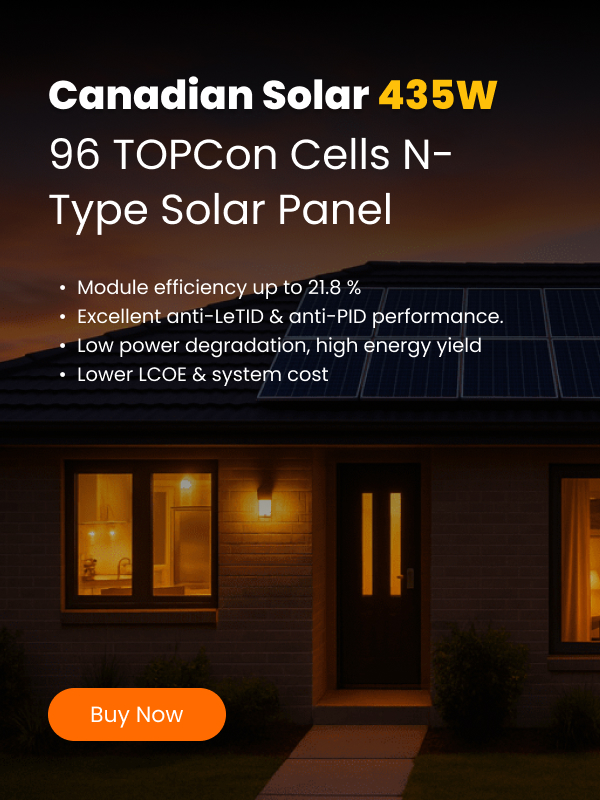
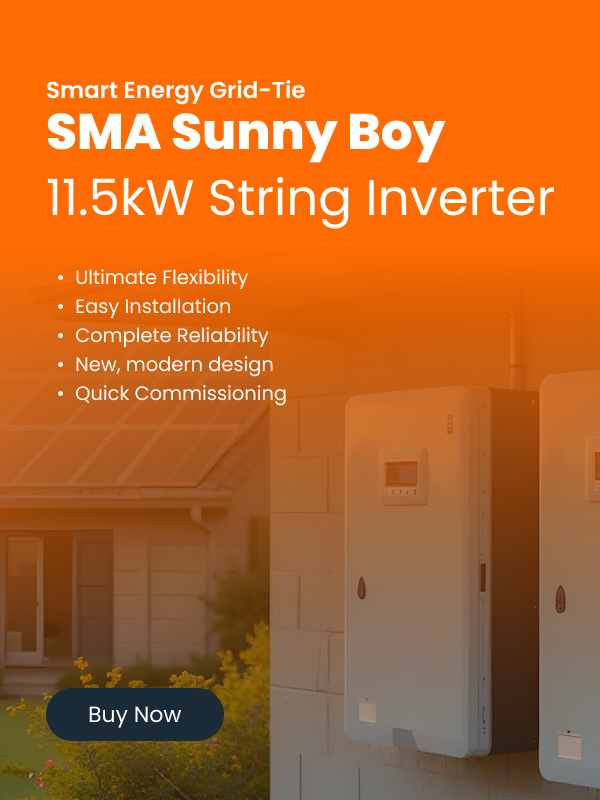
Solar power paired with battery storage can cut grid dependence and stabilize energy costs, especially when tied to smart control systems. - Secure your home
Smart security systems provide alerts, remote control, and automated safeguards. (AT Smart Home) - Automate outdoor systems
Smart irrigation and outdoor lighting reduce waste while improving curb appeal. - Use central hubs and voice assistants
Integrate devices into a central platform so they can communicate and be controlled together.
By combining these elements thoughtfully, you turn disconnected technologies into a cohesive ecosystem. Some devices interact directly with solar or battery systems, pushing your home from “smart” into self-optimizing.
Challenges and tips for success
While smart technology brings many advantages, there are considerations to keep in mind:
- Interoperability: Not all devices work seamlessly without a common standard. Emerging protocols like Matter help devices from different brands work together more reliably.
- Data privacy: Smart systems collect data. Choose devices that prioritise local processing and secure storage.
- Cost vs benefit: Some gadgets provide convenience more than savings. Prioritize upgrades with clear energy or comfort benefits first.
Final thoughts
A smarter home in 2026 is about efficiency, sustainability, convenience, and peace of mind. It goes beyond individual gizmos to an integrated system that helps you live better, use less energy, and take control of your environment. Whether you’re starting with a smart thermostat or building toward a fully connected solar-powered smart home, each step brings measurable benefits to your bills and daily life.
Smart homes are here to stay, and when built with purpose and planning, they help you be greener, save money, protect your family, and adapt to future technology trends with confidence.
Sources
Energy savings and smart thermostats data on efficiency and environmental impact. (trustabletech.org)
Smart home feature trends and integration with renewable energy. (AT Smart Home)
Smart lighting and smart plugs energy efficiency details. (Nest Inside)
Integration of solar and smart home energy management. (totalsolarsolutions.com.au)
Future smart home interoperability and advanced features. (Future Smart Homes)