
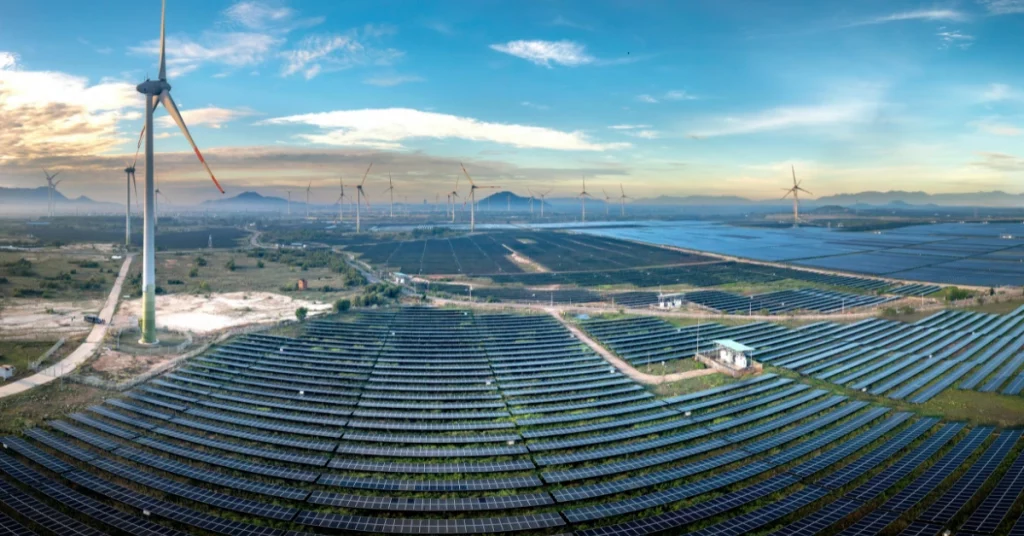
Solar energy is one of the fastest-growing sources of renewable power worldwide. But not all solar systems are built the same. Two major technologies harness the sun, each in very different ways: solar photovoltaic (PV) and solar thermal. Even though they both rely on sunlight, what they produce, how they work, and where they are best used vary significantly. Understanding the distinction between these two approaches is essential if you’re considering solar for your home, business, or community project.
In this blog, we’ll dive into how PV and thermal systems operate, their advantages and limitations, and which technology makes sense depending on your goals and energy needs.
What solar photovoltaic systems are and how they work
Solar photovoltaic (PV) technology refers to systems that convert sunlight directly into electricity. Photovoltaic panels contain many individual solar cells made from semiconductor materials such as silicon. When sunlight hits these cells, it causes electrons within the material to move, creating an electric current. This phenomenon is known as the photovoltaic effect.
The electricity generated by solar panels is direct current (DC). A device called an inverter converts this DC power into alternating current (AC), which is what most household and business appliances use. With the right setup, a PV system can power lighting, appliances, electronics, and even electric vehicles. Surplus electricity can sometimes be stored in batteries or sent back to the utility grid for credits under net metering policies.
Today’s PV panels are modular and scalable, meaning you can start with a few panels and expand later as needed. Standard efficiency for PV panels typically ranges from about 15% to 25%, meaning that percentage of sunlight hitting the panel is converted into usable electricity. (arka360.com)
what solar thermal systems do and how they work
Solar thermal systems take a different approach. Instead of converting sunlight into electricity, solar thermal technologies capture the sun’s heat and transfer it for practical use. Most solar thermal systems use collectors, usually flat-plate collectors or evacuated tube collectors, to absorb solar radiation. A heat-transfer fluid circulating through the collectors absorbs the heat. This heated fluid can then serve purposes such as warming water for household use, space heating, or pool heating.
There are a few configurations of solar thermal systems:
- Flat-plate collectors, which are common for residential and commercial water heating.
- Evacuated tube collectors, which are more efficient in colder climates because they better trap heat.
- Concentrated solar power (CSP) plants, which use mirrors or lenses to focus sunlight onto a central receiver to produce very high temperatures that can generate steam and drive turbines for electricity at utility scale.
In thermal systems, the heat captured by the fluid is usually stored in insulated tanks so it can be used when needed, not just when the sun is shining.
Key differences between pv and thermal
While both PV and solar thermal systems use sunlight as their source, they differ in several important ways.
Type of energy produced
- Solar photovoltaic systems generate electricity, which can power appliances, lights, electronics, and more.
- Solar thermal systems produce heat, which is used directly for applications such as water heating, space heating, or industrial processes.
This difference fundamentally affects how each system is used and how versatile it is. Electricity can be stored, distributed, or used for many purposes, while thermal energy is generally limited to heating applications.
Efficiency and energy capture
Solar thermal systems tend to be more efficient at capturing the sun’s energy for heat. Because they directly absorb and use thermal energy, their conversion efficiency for heat can reach 60% to 80% or higher in certain collector designs.
In contrast, PV systems convert a smaller portion of sunlight into electricity, commonly around 15% to 22% for rooftop installations, although advanced or tandem technologies can reach higher efficiencies.
However, comparing heat efficiency to electrical efficiency directly is like comparing apples and oranges. While thermal systems are efficient at delivering heat, electricity offers much broader utility. Electricity from PV systems can power not just heating, but also cooling, computing, lighting, and mobility.
Flexibility and versatility
Solar PV systems are more versatile because they produce electrical power, which can be used for nearly any purpose, stored in batteries for later use, or exported to the grid. PV systems are modular, easy to scale, and can support energy independence or even off-grid living.
Solar thermal systems, while efficient at heat capture, are limited in versatility. They are best suited to applications with consistent heating needs, for example, domestic hot water, space heating in cold climates, or industrial process heat. They cannot generate electricity without additional and often complex equipment such as steam turbines.
Installation and maintenance
Solar PV installations are increasingly standardized and require minimal maintenance. Solar panels have no moving parts, so routine care focuses on occasional cleaning and performance monitoring. A typical PV system can last 25–30 years with little decline in output.
Solar thermal systems, on the other hand, involve heat-transfer fluids, pumps, and plumbing. These components can require more maintenance to avoid leaks, corrosion, or fluid degradation. Additionally, thermal systems often rely on insulation and storage tanks that must be properly maintained to prevent heat loss.
Cost and return on investment
Costs vary widely depending on system type, size, location, and local incentives. Generally:
- Solar PV systems have seen dramatic cost declines over the past decade, and they remain one of the most cost-competitive ways to generate renewable electricity.
- Solar thermal systems may be less expensive upfront in some cases, especially for simple water heating, but the overall economic case depends on usage patterns and energy prices.
For homes with high hot water demand, solar thermal can pay for itself quickly. For households or businesses looking to reduce electricity bills and potentially earn credits or sell back surplus power, PV systems often offer stronger long-term financial returns. Incentives such as federal tax credits can further improve the economics for both technologies.

Which system is right for your needs?
The choice between solar photovoltaic and solar thermal depends on your energy goals.
Choose solar pv if your priority is electricity
If your main goal is to power a home, business, or device with clean renewable electricity, from lighting to electric vehicles, then solar PV is typically the best choice. PV systems provide versatile power that can be used across virtually all electrical needs and can be paired with battery storage for reliability.
Choose solar thermal if your priority is heat
If your focus is on heating water, warming living spaces, or meeting high hot water demand, solar thermal systems can be very efficient and cost-effective. Examples include homes with large family hot water usage, pools, or industrial sites needing process heat.
Hybrid and emerging solutions
The energy world is evolving rapidly, and hybrid systems that combine PV and thermal technologies are gaining interest. Photovoltaic-thermal (PVT) hybrid systems, for instance, capture both electricity and heat from the same solar surface. This type of combined approach can boost overall energy capture and make better use of available roof space.
PVT systems cool the PV cells with circulating fluid, improving electrical efficiency while capturing usable heat, essentially delivering two forms of energy from the same sunlight. These hybrids may be especially attractive where both electricity and heat are important.
Concluding thoughts
Solar photovoltaic vs solar thermal systems represent two distinct approaches to harnessing sunlight. PV systems convert sunlight directly into electricity with broad applicability and minimal maintenance, making them a popular choice for homes and businesses that need reliable electric power. Solar thermal systems capture the sun’s heat with high efficiency for heating applications, such as hot water or space heating, and can deliver excellent performance when matched to the right use case.
Understanding these differences helps you choose the right technology based on your energy needs, budget, and long-term goals. Whether you prioritize heat or electricity, or both, solar energy offers flexible solutions that reduce fossil fuel use, lower energy costs, and support a more sustainable future.
Sources:
Differences between solar PV and solar thermal energy systems. (EcoFlow)
Overview of energy capture, output type, maintenance, and applications. (OUPES)
Comparative efficiency and economic context. (GREEN POWER CAPITAL)
Emerging hybrid solar thermal and photovoltaic technologies. (Wikipedia)