

The U.S. solar industry has reached a stage where product quality alone is no longer enough for manufacturers to stand out. Installers, EPCs, and distributors now face an overwhelming number of choices across solar panels, inverters, batteries, racking systems, and EV charging equipment. As competition increases, the challenge for manufacturers is no longer just production. It is visibility in front of the right buyers at the right time.
For solar manufacturers, advertising today is not about broad awareness. It is about being present where sourcing decisions actually happen. This is why B2B solar advertising has shifted away from generic marketing channels and toward platforms that directly connect suppliers with installers actively searching for equipment.
This guide explains how solar manufacturers advertise to installers in the U.S., what channels perform best, and why specialized solar marketplaces are becoming one of the strongest lead generation paths in 2026.
Why Installer Visibility Matters More Than Ever
Installers are under pressure to deliver projects faster, manage pricing volatility, and source reliable equipment without delays. As a result, their buying behavior has changed.
Instead of waiting for sales calls or browsing manufacturer websites, installers now rely on:
- Online marketplaces
- Category comparison pages
- Supplier directories with live availability
- Platforms that show pricing signals and logistics readiness
For manufacturers, this means that visibility must align with installer intent. Advertising in places where installers are already sourcing equipment shortens the sales cycle and improves lead quality.
The Shift From Traditional Marketing to B2B Solar Advertising
Many solar manufacturers still rely on traditional marketing methods such as trade shows, outbound sales, email campaigns, and distributor relationships. While these channels still have value, they are no longer sufficient on their own.
Key limitations of traditional approaches:
- High cost per lead
- Limited reach beyond existing networks
- Long conversion timelines
- Difficulty tracking buyer intent
In contrast, B2B solar advertising platforms offer:
- Demand-driven exposure
- Buyers already in procurement mode
- Category-specific targeting
- Measurable lead attribution
This shift is why more manufacturers are reallocating budgets away from generic advertising and toward performance-driven, industry-specific platforms.
Where Installers Actually Discover New Solar Brands
Understanding installer behavior is critical for effective advertising.
Based on industry sourcing trends, installers most often discover new brands through:
- Solar equipment marketplaces
- Category search results
- Supplier comparison pages
- Industry blogs and technical content
- Peer recommendations within professional networks
What matters most is proximity to the buying decision. Advertising that appears during active sourcing outperforms awareness-based campaigns by a wide margin.
Best Advertising Channels for Solar Manufacturers
1. Solar Marketplaces and B2B Platforms
Solar-focused marketplaces have become one of the most effective channels for manufacturer visibility. These platforms attract installers who are actively searching for equipment, not browsing casually.
Benefits include:
- High-intent traffic
- Category-based exposure
- Qualified buyer audiences
- Shorter sales cycles
Manufacturers advertising on solar marketplaces position their products directly in front of decision-makers during procurement.
2. Category Sponsorships and Product Visibility
Rather than advertising broadly, many manufacturers now focus on category-level visibility. This means appearing prominently within specific product categories such as:
- Solar panels
- Hybrid and string inverters
- Battery energy storage systems
- Balance of system components
- EV chargers
Category sponsorship ensures relevance and avoids wasted impressions.
3. Content-Driven Visibility
Educational content continues to play a strong role in manufacturer marketing. Installers frequently search for:
- Product comparisons
- Installation considerations
- Compatibility guidance
- Performance data
Manufacturers that align advertising with informative content build trust while generating inbound interest.
4. Email and Marketplace-Based Promotions
Installer-focused newsletters and marketplace promotions allow manufacturers to highlight new products, inventory availability, or regional distribution capabilities.
These placements perform best when they are:
- Targeted by category
- Limited in frequency
- Focused on clear value propositions
Why General B2B Platforms Often Fall Short for Solar
Generic B2B marketplaces serve many industries, but solar manufacturers face unique challenges that these platforms do not address well.
Common issues include:
- Low relevance traffic
- Poor buyer qualification
- No understanding of installer workflows
- Limited product categorization for solar equipment
Solar manufacturers need platforms built around the realities of project-based procurement, technical compatibility, and logistics coordination.

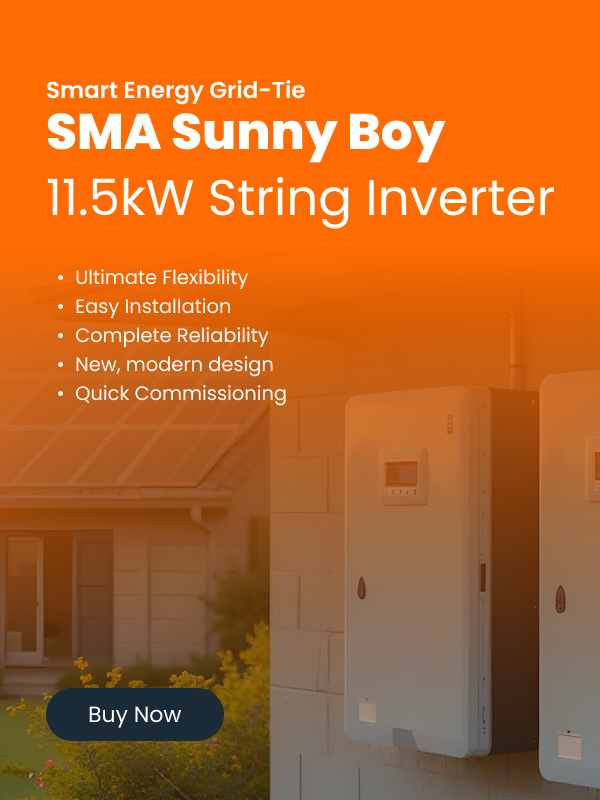

How Solar Marketplaces Drive Higher Quality Leads
Solar-specific platforms outperform general channels because they align with how installers buy.
Key factors include:
- Buyers actively sourcing equipment
- Clear product categories
- Focus on U.S. market requirements
- Visibility into logistics and fulfillment readiness
This alignment results in fewer but higher-quality leads, which manufacturers consistently report as more valuable than high-volume, low-intent inquiries.
Advertising Solar Products on Sunhub
Sunhub is built specifically for solar procurement, connecting manufacturers with installers, EPCs, and distributors across the U.S.
Through Sunhub’s Supplier Advertising Program, manufacturers can:
- Promote products within relevant categories
- Gain visibility during active sourcing
- Reach buyers already planning installations
- Generate qualified inbound leads
Unlike broad advertising channels, Sunhub focuses on intent-driven exposure inside a solar-only marketplace.
Manufacturers advertising on Sunhub benefit from:
- Solar-focused traffic
- Category-level targeting
- Verified buyer audience
- Clear alignment with installer procurement behavior
To learn more about available placements, manufacturers can visit the Supplier Advertising Program page and submit a lead form to explore options.
What Makes an Effective Solar Advertising Strategy in 2026
Successful manufacturers follow a few consistent principles:
- Prioritize intent over reach
- Focus on platforms installers already trust
- Align advertising with procurement behavior
- Measure performance by lead quality, not volume
Advertising is no longer about being everywhere. It is about being present where decisions are made.
Final Thoughts
As the U.S. solar market matures, competition among manufacturers will continue to increase. Installers will rely even more on platforms that simplify sourcing and comparison. For manufacturers, this creates a clear opportunity.
By advertising through solar-specific B2B platforms and marketplaces, manufacturers can:
- Reduce acquisition costs
- Improve lead quality
- Shorten sales cycles
- Strengthen brand presence among installers
Manufacturers looking to expand their reach in the U.S. market should evaluate how and where installers source equipment today. Platforms like Sunhub are becoming central to that process.