
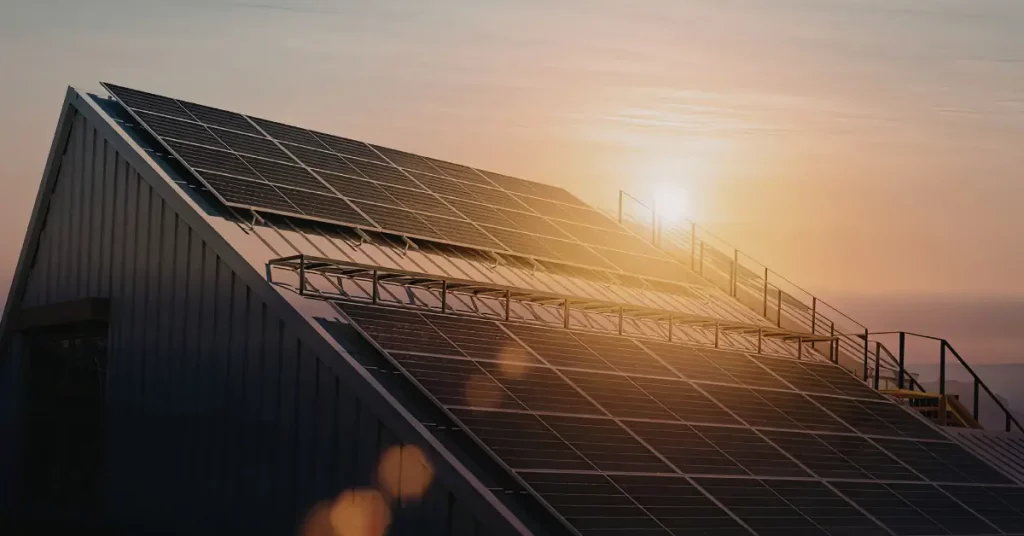
For commercial solar projects, shading is not just a performance issue, it directly impacts project feasibility, system sizing, and return on investment.
Unlike residential setups, commercial and industrial solar installations operate at scale. Even small inefficiencies caused by shading can translate into significant financial losses over time. This makes shading analysis a critical step in project planning for installers, EPCs, and procurement teams.
Why Shading Matters More in Commercial Solar
In large-scale solar systems, energy production is closely tied to financial performance. Any reduction in output affects:
- Payback period
- Internal rate of return (IRR)
- System sizing accuracy
- Energy offset targets
Because commercial systems often rely on predictable output for financial modeling, shading introduces uncertainty that must be addressed early in the design phase.
Types of Shading in Commercial Installations
Commercial projects face different shading challenges compared to smaller systems. These typically include:
1. Structural Shading
HVAC units, parapet walls, vents, and rooftop equipment can cast consistent shadows across panel rows.
2. Inter-Row Shading
In flat-roof or ground-mounted systems, improper spacing between panel rows can lead to self-shading, especially during winter months when the sun angle is lower.
3. External Obstructions
Nearby buildings, utility poles, or infrastructure can create partial shading throughout the day.
Each of these factors must be accounted for during layout design to avoid long-term production losses.
Shading Impact on System Design and Layout
Shading directly influences how a commercial solar system is designed.
Row Spacing and Tilt Optimization
Increasing row spacing reduces shading but requires more installation area. Lower tilt angles can also minimize shading but may slightly reduce peak efficiency.
Zoning and Layout Planning
Installers often divide rooftops into zones based on shading conditions, ensuring that heavily shaded areas do not affect high-performing sections.
Selective Panel Placement
Not all roof areas should be used. Avoiding shaded zones can sometimes deliver better overall system performance than maximizing panel count.
Technology Choices for Shaded Commercial Projects
The choice of system components plays a major role in managing shading impact.
String Inverters
Cost-effective for large installations but more sensitive to shading across strings.
Microinverters
Offer panel-level independence, reducing shading impact but increasing upfront cost, which may not always be viable for large-scale projects.
Power Optimizers
A common choice in commercial installations, balancing cost and performance by limiting shading losses to individual panels.
Financial Impact of Shading on ROI
Shading reduces total energy generation, which directly affects financial returns.
For example:
- Lower production leads to reduced savings or revenue
- Performance guarantees may be harder to meet
- Payback periods can extend beyond initial projections
For EPCs and developers, inaccurate shading assumptions can impact project viability and client expectations.

Shading Analysis as a Pre-Installation Requirement
Professional shading analysis is essential for commercial solar projects. This typically includes:
- 3D modeling of the site
- Annual solar access simulations
- Hourly shading impact calculations
These insights allow teams to optimize system design before installation, reducing risk and improving performance predictability.
Mitigation Strategies for Commercial Installations
To reduce shading impact in commercial systems:
- Optimize row spacing and tilt angles
- Use power optimizers for partially shaded zones
- Segment arrays to isolate shading effects
- Avoid placing panels near known obstructions
- Reassess layouts during system upgrades
These strategies help maintain consistent output across large installations.
Conclusion
In commercial solar projects, shading is not just a technical issue, it is a financial one. Poor shading management can reduce system efficiency, delay ROI, and impact long-term performance.
By incorporating detailed shading analysis, optimized layouts, and the right system components, businesses can minimize losses and ensure more predictable energy production.
FAQs (B2B / Commercial Focused)
1. How does shading affect ROI in commercial solar projects?
Shading reduces energy production, which lowers savings and extends payback periods. Even small losses can significantly impact large-scale systems.
2. Are power optimizers worth it for commercial installations with shading?
Yes, power optimizers are often used in commercial systems to isolate shading impact at the panel level without the higher cost of microinverters.
3. How do EPCs evaluate shading before installation?
They use advanced tools like 3D modeling, solar simulations, and site analysis to predict shading patterns throughout the year.
4. Should shaded areas be excluded from commercial solar layouts?
In many cases, yes. Avoiding shaded zones can improve overall system efficiency rather than installing panels that underperform.