
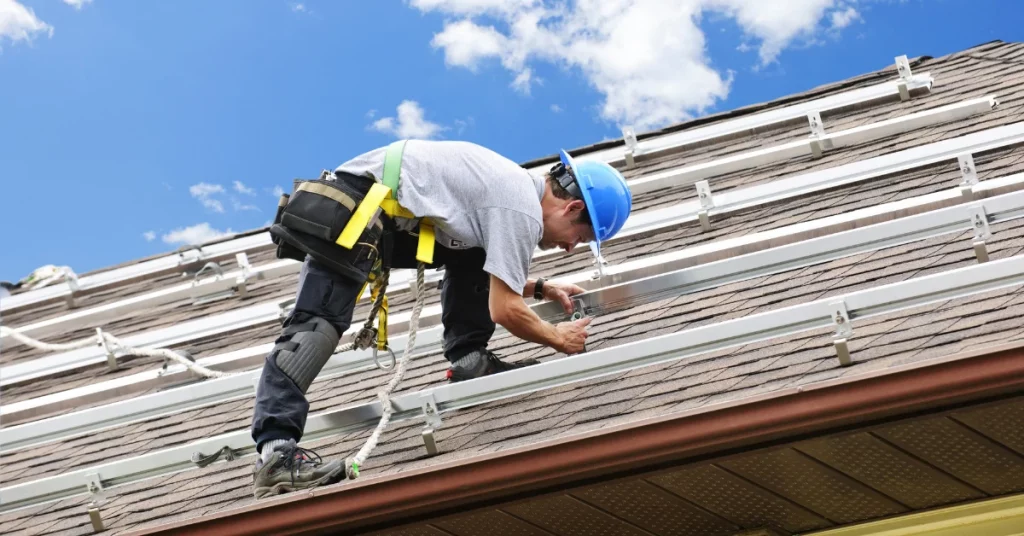
Metal roofing has become one of the most popular choices for residential and commercial buildings due to its durability, longevity, and energy efficiency. In 2026, it is also widely recognized as one of the best roofing types for solar panel installations because of its structural strength and flexible mounting options.
Understanding how metal roofing works, how to install or modify it, and how to integrate solar systems is essential for homeowners, installers, and developers.
What Is Metal Roofing?
Metal roofing refers to roofing systems made from materials such as steel, aluminum, or zinc, designed to provide long term protection against weather and environmental conditions.
These roofs are known for:
- Long lifespan often 40 to 70 years
- High resistance to wind and extreme weather
- Lightweight structure compared to traditional roofing
- Strong compatibility with solar installations
Because of these characteristics, metal roofing is increasingly used in both residential and commercial solar projects.
Types of Metal Roofing Systems
Different types of metal roofing affect how solar panels are installed.
Standing Seam Metal Roofs
These roofs have raised seams that run vertically along the surface. They are considered the best option for solar installations because mounting systems can attach directly to the seams without drilling.
Exposed Fastener Metal Roofs
These roofs use visible screws to secure panels. While more affordable, they may require penetrations for mounting solar systems.
Metal Shingles and Tiles
Designed to mimic traditional roofing materials, these systems require specialized mounting solutions.
Why Metal Roofing Is Ideal for Solar Panels
Metal roofing offers several advantages when paired with solar systems.
- Strong structural support
- Long lifespan alignment
- Flexible mounting options
- Improved efficiency
Metal roofs can handle the additional load of solar panels and often last as long as the solar system itself.
Key Mounting Solutions for Metal Roofing
Choosing the right mounting system is critical for a safe and efficient installation.
QuickBOLT Metal Roof Kit
Designed for secure and reliable solar mounting on exposed fastener metal roofs.
Key Benefits
- Fast installation
- Strong structural attachment
- Compatible with various metal roof profiles
S 5 SolarFoot
A widely used mounting solution offering durability and ease of installation.
Key Benefits
- Engineered for waterproof attachment
- Compatible with different roof types
- Supports long term durability
IronRidge QBase Metal Shake and Slate
Designed for complex roof types such as metal shingles and slate style systems.
Key Benefits
- Specialized for non standard roof profiles
- Strong and reliable mounting
- Secure panel attachment
How Solar Panels Are Installed on Metal Roofing
The installation process varies depending on the roof type and mounting system.
Non Penetrating Installation
Used for standing seam roofs where clamps attach directly to seams without drilling.
Penetrating Installation
Used for exposed fastener roofs where mounts are secured into structural supports with proper sealing.
Rail vs Rail Less Systems
- Rail systems use metal rails to support panels
- Rail less systems reduce weight and installation time
Rail less systems can significantly reduce mounting weight and simplify installation.
Safety and Best Practices When Working with Metal Roofing
Working with metal roofing requires careful planning and proper tools.
- Use the right cutting tools
- Prevent corrosion
- Ensure proper sealing
- Follow load and structural guidelines
Proper installation practices help prevent leaks and ensure long term system performance.
Challenges of Metal Roofing Installations
Despite its advantages, metal roofing comes with some challenges.
- Complex roof profiles
- Risk of improper installation
- Higher upfront cost
These factors should be carefully evaluated during project planning.
Future Trends in Metal Roofing and Solar Integration
Metal roofing is evolving alongside the solar industry.
Integrated Solar Roofing
Solar panels are being incorporated directly into roofing systems.
Lightweight Mounting Systems
New designs reduce weight and improve installation speed.
Improved Materials and Coatings
Advanced coatings enhance durability and corrosion resistance.
Increased Adoption in Commercial Projects
Metal roofing is becoming the preferred choice for large scale solar installations.
Conclusion
Metal roofing is one of the most durable and solar compatible roofing options available in 2026. Its strength, longevity, and flexibility make it ideal for supporting modern solar systems.
With solutions like QuickBOLT Metal Roof Kit, S 5 SolarFoot, and IronRidge QBase Metal Shake and Slate, installers can integrate solar panels efficiently across different roof types.
As solar adoption continues to grow, metal roofing will play a key role in enabling faster and more efficient installations.
FAQs
Is metal roofing good for solar panels?
Yes, it is one of the best roofing types due to its durability and compatibility with mounting systems.
Can solar panels be installed without drilling into metal roofs?
Yes, standing seam roofs allow non penetrating mounting using clamps.
What is the best mounting system for metal roofing?
It depends on the roof type, but solutions like QuickBOLT, S 5 SolarFoot, and IronRidge QBase are widely used.
How long does a metal roof last?
Metal roofs typically last between 40 and 70 years.
Are metal roofs more expensive?
They have higher upfront costs but offer long term savings due to durability and low maintenance.
Sources
Metal roofing installation and safety guide
S 5 mounting system technical overview
Solar mounting system specifications and standards