
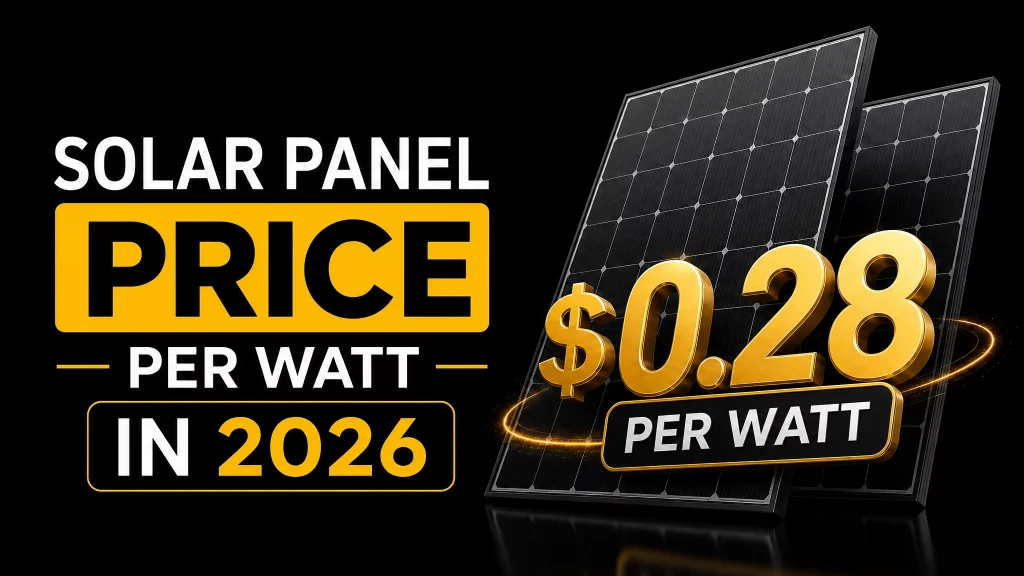
Solar panel price per watt – The cost of solar energy in the United States has declined dramatically over the past decade, transforming solar from a niche technology into one of the most cost competitive sources of electricity. By 2026, solar panel pricing is no longer evaluated solely by equipment costs. Instead, the industry standard focuses on cost per watt ($/W), a comprehensive metric that captures both hardware and system wide expenses.
Understanding solar pricing requires a breakdown of hard costs, such as equipment and materials, and soft costs, including labor, permitting, and overhead. Industry organizations such as the National Renewable Energy Laboratory (NREL) and EnergySage provide the most widely referenced benchmarks and pricing insights used by installers, EPCs, and developers.
This guide outlines the average solar price per watt in 2026, explains the complete cost structure, and highlights the key factors influencing pricing across residential, commercial, and utility scale projects.
Average Solar Panel Price Per Watt in 2026
As of 2026, solar pricing in the United States varies based on project size, system type, and location. According to EnergySage pricing data and NREL benchmarks, average installed costs are:
- Residential systems: $2.50 to $3.30 per watt
- Commercial and industrial systems: $1.40 to $2.20 per watt
- Utility scale systems: $0.90 to $1.30 per watt
EnergySage reports that the average residential solar quote during 2025 and 2026 is approximately $2.75 per watt before incentives. Continued improvements in supply chains and increased market competition have helped keep prices under pressure.
These figures represent installed costs and include all equipment, labor, permitting, and associated project expenses.
Understanding Cost Per Watt
Cost per watt is the most common metric used to compare solar pricing across projects.
Cost per Watt=System Size in WattsTotal System Cost
For example, a $27,500 solar system with a capacity of 10 kW results in a cost of $2.75 per watt.
This standardized metric helps compare:
- Different system sizes
- Installer quotes
- Geographic regions
- Project types
It also highlights economies of scale, as larger projects generally achieve lower costs per watt.
Hard Costs: Equipment and Hardware
According to NREL’s Solar Benchmark Cost Analysis, hard costs account for approximately 45% to 55% of total system costs in 2026.
Solar Modules
Solar panels remain the largest hardware expense in most systems.
Typical Cost
$0.30 to $0.50 per watt.
Factors Affecting Cost
- Global supply chain conditions
- Domestic manufacturing incentives
- Module technology type
- Market demand
Despite periodic market fluctuations, module pricing has stabilized due to growing U.S. manufacturing capacity and diversified sourcing strategies.
Inverters
Inverters convert DC electricity into usable AC electricity.
Typical Cost
$0.10 to $0.25 per watt.
Common Types
- String inverters
- Microinverters
- Hybrid inverters
Microinverters generally cost more but provide enhanced monitoring and improved flexibility.
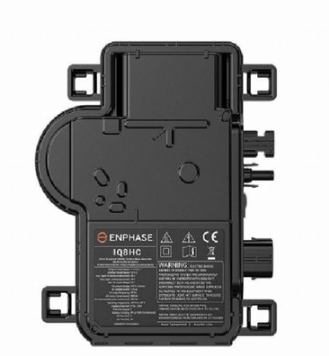
Enphase IQ8HC 384W 240V 72 Cells Microinverter
Enphase IQ8HC 384W 240V 72 Cells MicroinverterEnphase IQ8HC-DOM microinverter, 384 VA peak power, MC4 Bulkhead, Single phase.This product is supplied with MC4 connectors.Key Features:It includes domestic content compliantEasy to installHigh productivity and reliabilityMicrogrid-formingProduct Details:Mfr Part Number: IQ8HC-72-M-DOM-USPower Output: 384 WattsVoltage: 240 VoltWeight: 3 lbDimensions: 1.2 x 6.9 x 8.3 inCase Qty: 18 PcsPallet Qty: 756 Pcs
- Brand:Enphase
- Sold By:Sunhub
- Condition:NEW
- In Stock:8477
- Shipping Type:Calculated At Checkout
Mounting and Racking Systems
Racking systems secure solar panels to rooftops or ground mounted structures.
Typical Cost
$0.10 to $0.20 per watt.
Pricing depends on:
- Roof type
- Ground mounted versus rooftop design
- Wind load requirements
- Snow load requirements
Balance of System Components
Balance of System (BOS) components include wiring, junction boxes, disconnects, and supporting electrical equipment.
Typical Cost
$0.15 to $0.30 per watt.
Although individually inexpensive, these components collectively represent a significant share of equipment costs.
Soft Costs: The Hidden Majority
NREL identifies soft costs as the largest and most persistent contributor to residential solar pricing. These expenses often account for 45% to 60% of total project costs.
Installation Labor
Labor includes system design, electrical work, permitting coordination, and physical installation.
Typical Cost
$0.30 to $0.60 per watt.
Labor costs vary considerably by region and local wage levels.
Permitting and Interconnection
Permitting remains one of the most complex aspects of solar deployment.
Typical Cost
$0.10 to $0.30 per watt.
Factors include:
- Local permitting requirements
- Utility interconnection procedures
- Inspection timelines
Permitting reform continues to be one of the largest opportunities for reducing future solar costs.
Customer Acquisition
Sales and marketing costs remain a major contributor to residential solar pricing.
Typical Cost
$0.20 to $0.50 per watt.
These expenses may include:
- Advertising
- Lead generation
- Sales commissions
- Proposal development
EnergySage data suggests that transparent marketplaces can help reduce acquisition costs by increasing competition among installers.
Overhead and Margin
Installers must account for operational expenses and profit margins.
Typical Cost
$0.30 to $0.70 per watt.
Costs vary depending on company size, operational efficiency, and market conditions.
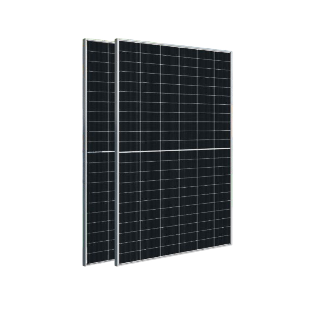
Astronergy 620W 132 N-Type Mono Cells Bifacial Solar Panel
Astronergy 620W 132 N-Type Mono Cells Bifacial Solar PanelKey Features:PID ResistanceSMBB DesignBetter Temperature CoefficientBifacial Power Generatio…
- Brand:Astronergy
- Part No: CHSM66RN(DG)/F-BH-620
- MOQ:1 Pallets
- Quantity On Hand:39.3948MW
- Shipping Type :EXW – Ex Works (Place)
Example Residential Cost Breakdown
For a residential solar system priced at approximately $2.75 per watt, costs may be distributed as follows:
- Modules: $0.40/W
- Inverters: $0.15/W
- Racking and BOS: $0.35/W
- Labor: $0.45/W
- Permitting and interconnection: $0.20/W
- Customer acquisition: $0.35/W
- Overhead and margin: $0.85/W
This example highlights a major industry reality: non hardware expenses now exceed equipment costs in many residential installations.
Key Factors Influencing Solar Pricing in 2026
Federal Incentives and Policy
Federal incentives such as the Investment Tax Credit continue influencing consumer demand and installer pricing strategies. While cost per watt is typically measured before incentives, these programs significantly impact net system costs.
System Size and Scale
Larger systems benefit from economies of scale through:
- Lower labor costs per watt
- Bulk purchasing power
- More efficient installation processes
This is one reason utility scale systems often achieve costs below $1.30 per watt.
Geographic Location
Solar pricing varies significantly by state due to differences in:
- Labor costs
- Permitting requirements
- Local incentives
- Market competition
States such as California and Massachusetts generally have higher solar installation costs because of stricter regulations and higher labor expenses.
Technology Improvements
Advances in solar technology continue improving project economics.
Examples include:
- Higher efficiency solar modules
- Improved inverter technologies
- Better energy management systems
- Battery storage integration
Although some newer technologies increase upfront costs, they often improve long term energy production and value.
Supply Chain Stability
Supply chains have largely stabilized in 2026, but pricing remains sensitive to:
- Trade policies
- Tariffs
- Raw material costs
- Shipping expenses
Procurement platforms and distributors continue playing a critical role in managing these risks.


The Role of EnergySage in Pricing Transparency
EnergySage has become one of the most trusted sources for real time solar pricing information in the United States. Its platform provides:
- Aggregated installer quotes
- Transparent pricing benchmarks
- System comparison tools
- Consumer education resources
By improving market transparency, EnergySage has helped reduce pricing variability and increase competition among installers.
NREL’s Impact on Solar Cost Benchmarking
The National Renewable Energy Laboratory provides the most widely cited cost benchmarks in the solar industry. Its Solar Benchmark Cost Analysis helps:
- Define standard cost categories
- Track pricing trends over time
- Model costs across system types
- Inform policy and investment decisions
NREL’s research remains a foundational resource for developers, policymakers, investors, and industry professionals.
Future Outlook
Solar costs are expected to continue declining, although at a slower pace than seen during previous decades.
The greatest opportunities for future cost reduction include:
Permitting Reform
Reducing permitting complexity can significantly lower soft costs.
Digital Procurement Platforms
Improved pricing transparency can increase market efficiency.
Installation Automation
Automation technologies may help reduce labor expenses while improving consistency.
As hardware prices approach long term cost floors, future savings will increasingly depend on operational efficiency improvements across the solar value chain.
Conclusion
In 2026, solar pricing reflects a mature and highly optimized industry. While equipment costs have fallen dramatically over the past decade, soft costs now represent the largest share of total system expenses.
Data from NREL and EnergySage indicates that residential solar systems average approximately $2.75 per watt, while larger commercial and utility scale projects achieve substantially lower costs. Understanding the complete cost breakdown, from solar modules and inverters to permitting and customer acquisition, is essential for making informed purchasing and investment decisions.
As the industry continues evolving, reducing soft costs and improving operational efficiency will be the primary drivers of future solar affordability.
FAQs
What is the average solar price per watt in 2026?
Residential systems typically range from $2.50 to $3.30 per watt, with an average around $2.75 per watt before incentives.
What does cost per watt mean?
Cost per watt measures the total installed system cost divided by system capacity, allowing easy comparison across projects and installers.
What are hard costs in solar installations?
Hard costs include solar panels, inverters, racking systems, and other physical equipment required for installation.
What are soft costs in solar installations?
Soft costs include labor, permitting, customer acquisition, overhead, and administrative expenses.
Why do larger solar projects cost less per watt?
Larger projects benefit from economies of scale, lower labor costs per watt, and bulk equipment purchasing advantages.
Sources
National Renewable Energy Laboratory (NREL)
Solar Benchmark Cost Analysis
EnergySage
Solar Pricing Tracker and Marketplace Data
U.S. Department of Energy
Solar Energy Technologies Office Resources
Solar Energy Industries Association (SEIA)
Solar Market Insights and Industry Data