
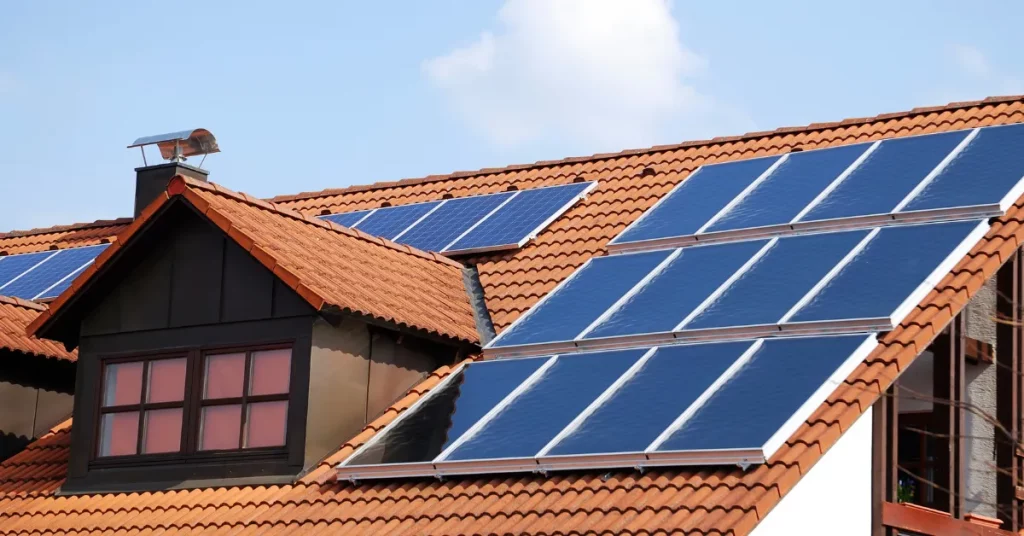
As solar energy adoption continues to accelerate across the United States, more homeowners, businesses, contractors, and developers are searching for solar panels for sale. With advances in solar technology, buyers now have access to more efficient, durable, and cost-effective panels than ever before.
However, not all solar panels are the same. Differences in efficiency, cell technology, warranty coverage, degradation rates, and manufacturing quality can significantly affect a system’s long-term performance and return on investment.
Whether you’re purchasing solar panels for a residential rooftop installation, a commercial project, or utility-scale development, understanding today’s solar panel technologies can help you make a smarter investment.
Why solar panel quality matters
Solar panels are designed to generate electricity for decades. Because they represent one of the largest components of a solar energy system, choosing the right panels can have a significant impact on long-term energy production and savings.
According to the U.S. Department of Energy, modern photovoltaic (PV) systems can provide reliable electricity generation for 25 years or more when properly installed and maintained.
Higher-quality solar panels typically offer:
- Better energy production
- Lower degradation rates
- Improved temperature performance
- Longer warranties
- Greater lifetime value
While lower-cost options may appear attractive upfront, higher-performing panels often generate more electricity over their operational lifespan.
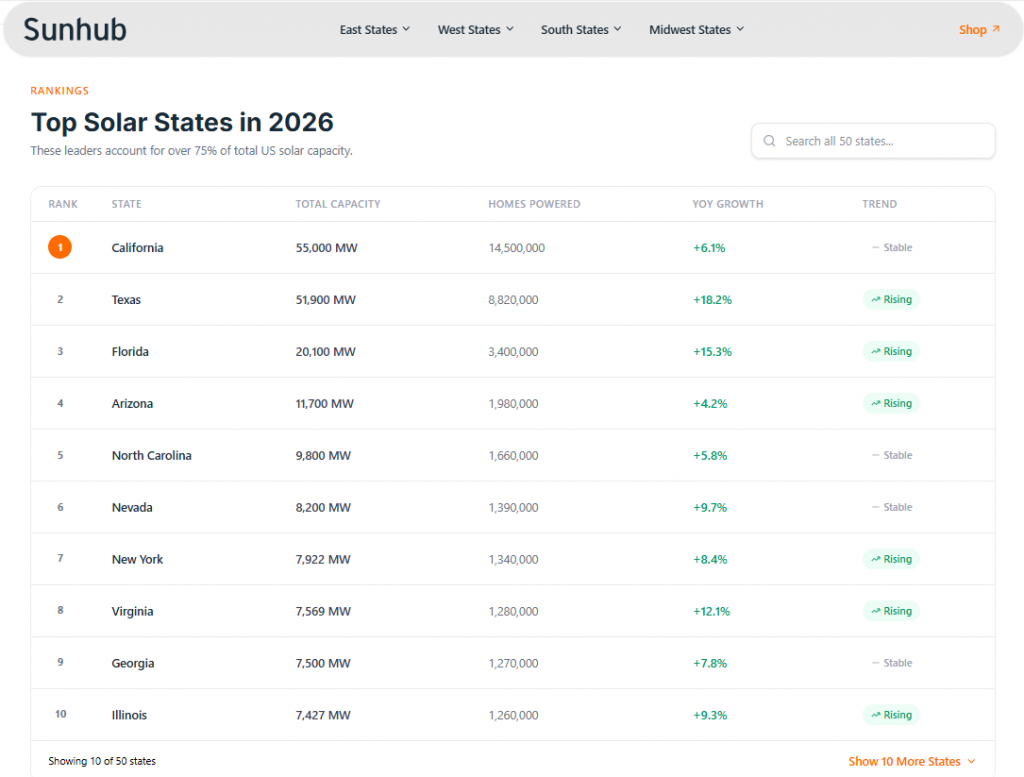
Explore U.S. Solar State Rankings
Compare solar rankings, installed capacity, growth trends, and market performance across all 50 states. Discover regional insights to support smarter procurement and expansion decisions.
Types of solar panels for sale
Several solar panel technologies are commonly available today.
Monocrystalline solar panels
Monocrystalline panels are the most widely used solar technology in residential and commercial applications.
Benefits include:
- High efficiency
- Long lifespan
- Better performance in limited space
- Consistent energy production
Most premium solar manufacturers focus primarily on monocrystalline technology because it offers strong performance and reliability.
TOPCon solar panels
TOPCon (Tunnel Oxide Passivated Contact) technology has become one of the fastest-growing solar innovations in recent years.
TOPCon panels offer:
- Higher conversion efficiency
- Lower degradation rates
- Improved low-light performance
- Better long-term energy yield
Many manufacturers are now transitioning from traditional P-Type cells to TOPCon-based architectures.
N-Type solar panels
N-Type solar cells are becoming increasingly popular due to their performance advantages.
Compared to conventional cell technologies, N-Type panels generally provide:
- Better resistance to degradation
- Improved temperature coefficients
- Higher long-term energy output
As solar technology continues evolving, N-Type products are becoming more common across both residential and utility-scale markets.
Bifacial solar panels
Bifacial modules generate electricity from both sides of the panel.
These systems can capture reflected sunlight from surfaces such as:
- Concrete
- Gravel
- White roofing materials
- Snow-covered ground
According to the International Energy Agency (IEA), bifacial technology has become increasingly important in large-scale solar projects because it can improve total energy generation without significantly increasing installation footprints.
What to consider when buying solar panels
When comparing solar panels for sale, buyers should evaluate several key factors.
Efficiency
Solar panel efficiency measures how effectively a panel converts sunlight into usable electricity.
Higher-efficiency panels:
- Produce more power from the same area
- Require fewer panels
- Maximize roof space utilization
Most premium residential panels today exceed 20% efficiency.
Warranty coverage
Solar panel warranties typically include two categories.
Product warranty
Protects against manufacturing defects and equipment failures.
Many premium manufacturers now offer warranties of 25 years or more.
Performance warranty
Guarantees a minimum level of power output throughout the panel’s lifespan.
Performance warranties help ensure predictable long-term energy production.
Degradation rate
All solar panels experience gradual performance loss over time.
Lower degradation rates generally result in:
- Greater lifetime electricity production
- Higher return on investment
- Better long-term system performance
Temperature performance
Solar panels operate in outdoor environments where temperatures can fluctuate significantly.
Panels with favorable temperature coefficients generally maintain stronger performance in hot climates.
Where to find solar panels for sale
The solar procurement process has evolved significantly in recent years.
Today, buyers can source equipment through distributors, manufacturers, and online solar marketplaces.
For buyers looking to compare inventory from multiple suppliers, Sunhub offers a dedicated solar panel marketplace where contractors, installers, EPCs, and developers can browse available inventory:
Sunhub also provides access to marketplace listings and available solar panel deals:
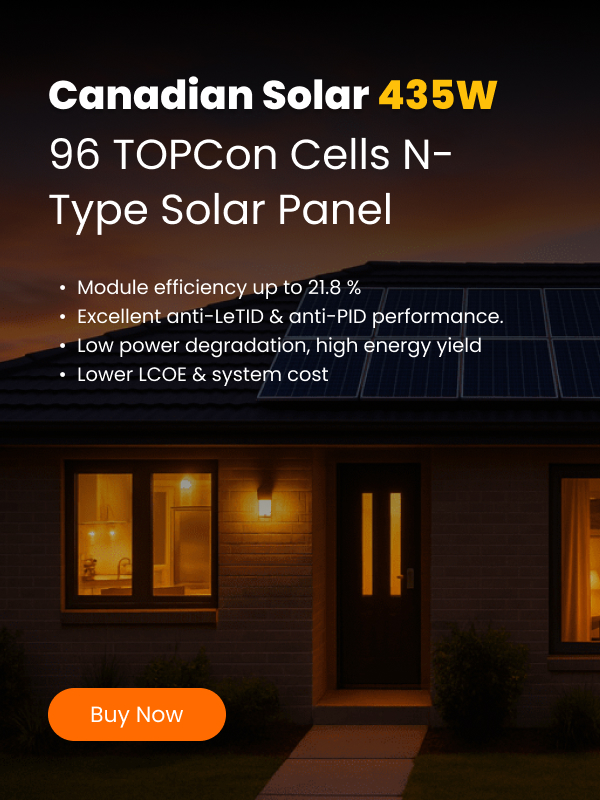
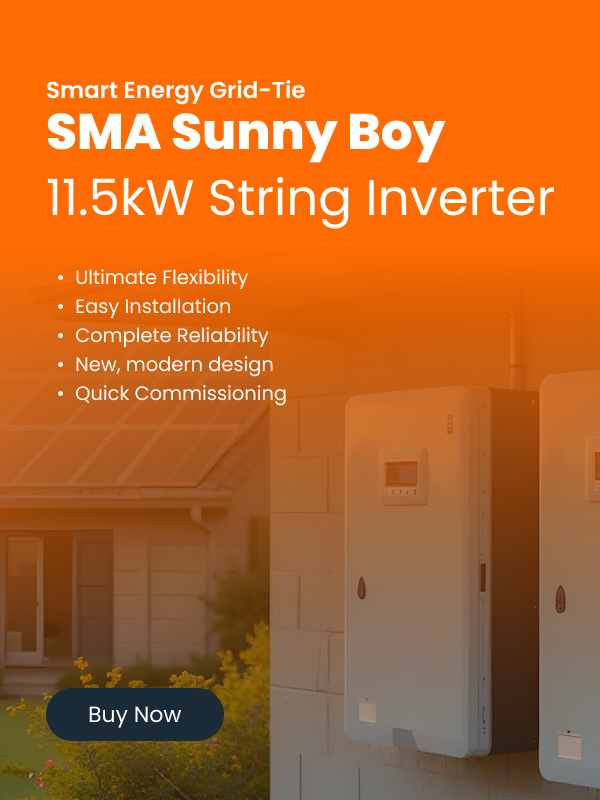
These platforms can simplify procurement by providing access to multiple suppliers through a centralized marketplace.
Are premium solar panels worth the investment?
While premium solar panels often cost more initially, they may deliver greater value over the lifetime of the system.
Premium modules frequently provide:
- Higher efficiency
- Better reliability
- Longer warranties
- Lower degradation
- Greater total energy production
For projects with limited installation space, higher-efficiency panels can be particularly beneficial because they maximize energy generation per square foot.
Solar panels for residential and commercial projects
The ideal solar panel depends on project goals.
Residential systems
Homeowners often prioritize:
- Efficiency
- Appearance
- Warranty coverage
- Long-term reliability
Commercial installations
Businesses typically focus on:
- Cost per watt
- System economics
- Equipment availability
- Procurement flexibility
Utility-scale projects
Large-scale developers often prioritize:
- Energy yield
- Supply chain reliability
- Bifacial technology
- Long-term project economics
Future trends in solar panel technology
Several innovations continue shaping the future of solar manufacturing.
Higher-efficiency cell architectures
TOPCon, N-Type, and heterojunction (HJT) technologies are improving solar conversion efficiency.
Larger module formats
Manufacturers are producing higher-wattage modules that reduce installation costs and increase system output.
Domestic manufacturing expansion
The United States is investing heavily in domestic solar manufacturing to strengthen supply chains and reduce dependence on imports.
Advanced materials
Researchers continue developing new materials that may further improve efficiency and durability in future solar products.
According to the National Renewable Energy Laboratory (NREL), ongoing research into advanced photovoltaic technologies is expected to continue improving solar performance while reducing overall system costs.
Conclusion
The market for solar panels for sale has never been stronger. Advances in monocrystalline, TOPCon, N-Type, and bifacial technologies have created more options for buyers than ever before.
When selecting solar panels, factors such as efficiency, warranty coverage, degradation rates, and long-term performance are often more important than upfront pricing alone.
Whether you’re a homeowner exploring rooftop solar, a contractor sourcing inventory, or a developer managing large-scale projects, understanding today’s solar technologies can help ensure your investment delivers reliable energy production for decades to come.
As solar adoption continues expanding across the United States, high-quality solar panels remain one of the most effective tools for reducing energy costs and supporting a cleaner energy future.
FAQs
What are the best solar panels for sale today?
Many of the highest-performing solar panels use technologies such as TOPCon, N-Type, bifacial, and advanced monocrystalline cells.
How long do solar panels last?
Most modern solar panels are designed to operate for 25 to 30 years or longer.
Are bifacial solar panels worth it?
Bifacial panels can increase energy production in suitable installation environments with reflective surfaces.
What efficiency should I look for in a solar panel?
Most premium residential solar panels offer efficiencies above 20%, with some exceeding 23%.
Where can I find solar panels for sale online?
Solar marketplaces such as Sunhub allow buyers to compare inventory, suppliers, and available solar panel listings from multiple sources.
Sources
- U.S. Department of Energy — Solar photovoltaic technology basics
https://www.energy.gov/eere/solar/solar-photovoltaic-technology-basics - National Renewable Energy Laboratory (NREL) — Solar research and technology development
https://www.nrel.gov/solar/ - Solar Energy Industries Association (SEIA) — U.S. solar market research and industry data
https://www.seia.org/solar-industry-research-data - International Energy Agency (IEA) — Solar PV market outlook
https://www.iea.org/energy-system/renewables/solar-pv