

Texas is one of the nation’s fastest-growing solar markets, and for good reason. The state receives abundant sunshine, has a competitive electricity market across much of its territory, and continues to expand both utility-scale and residential solar capacity. For many homeowners, installing solar panels in Texas can reduce long-term electricity costs while increasing energy independence.
However, buying solar in Texas is not simply about choosing the cheapest installer. Utility buyback programs, electricity plans, equipment quality, financing, and system design all affect how much value a homeowner receives over the life of the system.
According to the U.S. Energy Information Administration (EIA), Texas leads the nation in utility-scale electricity generation and has become one of the country’s largest producers of solar energy. As new renewable projects continue to come online, residential solar remains an increasingly attractive option for homeowners looking to offset rising electricity costs.
This guide explains how solar panels work in Texas, how buyback programs operate, available incentives, and what homeowners should consider before purchasing a system.
Is Texas a Good State for Solar Panels?
Yes. Texas offers excellent conditions for residential solar.
Much of the state enjoys high solar irradiance and long periods of sunshine throughout the year, allowing photovoltaic systems to generate significant amounts of electricity.
Additional advantages include:
- Strong year-round solar resources
- Growing residential solar industry
- Competitive installer market
- Expanding battery storage adoption
- Retail electricity competition in many service areas
- Numerous solar buyback electricity plans
While production varies depending on roof orientation, shading, and weather conditions, most Texas homeowners can generate a substantial portion of their annual electricity consumption with a properly designed system.
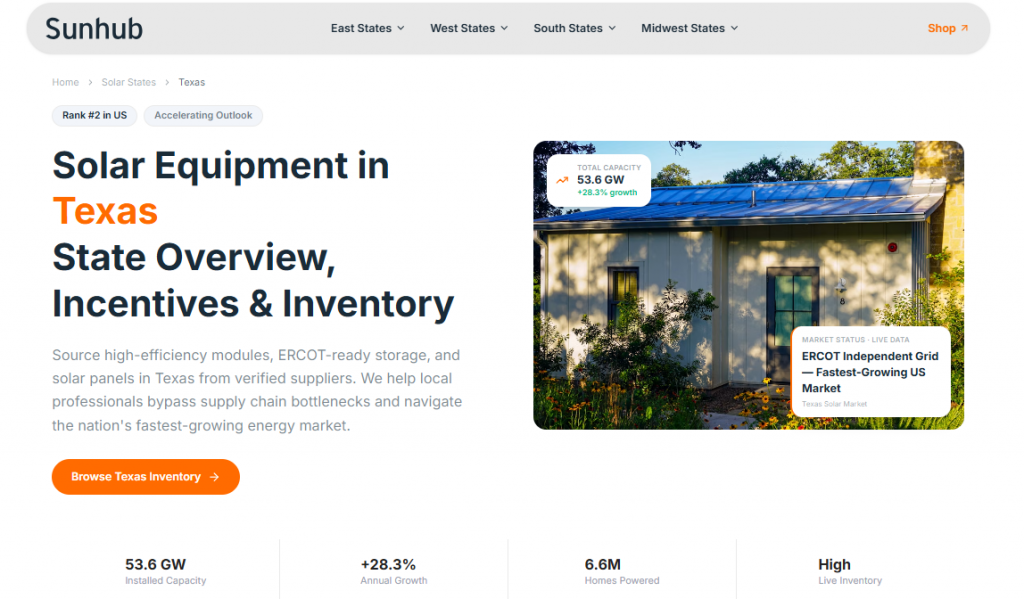
Explore Texas’s Solar Market
View Texas’s solar ranking, installed capacity, annual growth trends, market performance, and popular solar products and brands. Use these insights to support smarter procurement and expansion decisions across the state.
How Much Do Solar Panels Cost in Texas?
There is no official statewide average installation cost published by a government agency because every project differs.
The final cost depends on factors including:
- System size
- Roof complexity
- Solar panel efficiency
- Inverter type
- Battery storage
- Electrical upgrades
- Local permitting requirements
- Labor costs
- Financing structure
Rather than focusing solely on the lowest quote, homeowners should compare the overall value offered by each installer.
Every proposal should clearly include:
- Total installed cost
- Estimated annual electricity production
- Panel and inverter specifications
- Product warranties
- Workmanship warranty
- Financing fees, if applicable
- System monitoring details
Obtaining at least three detailed quotes helps homeowners compare pricing, production estimates, and equipment quality before making a decision.
Understanding Texas Solar Buyback Plans
Unlike many other states, much of Texas operates within a deregulated electricity market, allowing homeowners to choose their retail electricity provider.
Many retail providers offer solar buyback plans, which compensate customers for excess electricity exported to the grid.
Under these programs:
- Solar electricity powers the home first.
- Excess generation is exported to the electrical grid.
- The retail electricity provider provides bill credits according to the terms of the selected plan.
However, buyback plans differ considerably.
Some providers credit exported electricity at the same rate as imported electricity, while others offer lower export rates, monthly credit limits, or restrictions on how credits are applied.
Because buyback programs change regularly, homeowners should review the current Electricity Facts Label and contract terms before selecting a provider.
Important considerations include:
- Export credit rate
- Monthly fees
- Time-of-use pricing
- Credit rollover policies
- System size limits
- Contract length
Choosing the right electricity plan can significantly affect the financial performance of a residential solar system.
Are There Incentives for Solar Panels in Texas?
Texas does not currently offer a statewide residential solar tax credit.
However, homeowners may still benefit from several financial advantages.
Property Tax Exemption
Texas allows qualifying solar energy systems to be excluded from property tax assessments. This means homeowners generally do not pay additional property taxes simply because their solar installation increases the value of their home.
Local Utility Incentives
Certain municipal utilities and electric cooperatives periodically offer rebates or renewable energy incentive programs.
Availability varies depending on the utility, budget availability, and geographic location, so homeowners should verify current offerings directly with their electricity provider.
Should You Install Battery Storage?
Battery storage is becoming increasingly popular across Texas.
A residential battery stores excess daytime solar generation for use during the evening or during grid outages.
Potential advantages include:
- Backup power
- Increased self-consumption
- Reduced reliance on the electrical grid
- Greater energy independence
- Better management of time-of-use electricity rates
Whether battery storage is financially beneficial depends on household electricity usage, buyback rates, outage concerns, and installation costs.
When comparing batteries, homeowners should evaluate:
- Usable capacity
- Continuous power output
- Warranty
- Expected cycle life
- Round-trip efficiency
- Compatibility with the solar inverter
Choosing the Right Solar Equipment
Not every solar panel performs the same.
When evaluating proposals, homeowners should compare:
- Module efficiency
- Temperature coefficient
- Product warranty
- Performance warranty
- Expected degradation
- Manufacturer reputation
Similarly, inverter selection should match the home’s roof layout.
Microinverters or power optimizers may improve production where shading varies throughout the day, while string inverters often provide an efficient solution for unshaded roofs.
The best system balances production, reliability, warranty coverage, and total installed cost.
Financing Your Solar Installation
Most Texas homeowners choose one of four financing methods.
Cash Purchase
Purchasing a system outright typically provides the greatest long-term financial return because it avoids interest charges.
Solar Loan
Loans reduce upfront costs but should be evaluated carefully for dealer fees, interest rates, and total repayment costs.
Solar Lease
With a lease, a third party owns the equipment while the homeowner makes monthly lease payments.
Power Purchase Agreement
A power purchase agreement allows homeowners to purchase the electricity generated by the system rather than buying the equipment itself.
Before signing any financing agreement, homeowners should compare the total lifetime cost, not just the advertised monthly payment.
Compare Multiple Proposals Before Buying
Selecting the right installer is just as important as selecting quality equipment.
Every proposal should clearly explain:
- Annual production estimates
- Utility assumptions
- Equipment specifications
- Warranty coverage
- Installation timeline
- Maintenance responsibilities
- Financing terms
Homeowners should also verify installer licensing, insurance, and customer reviews before signing a contract.
Avoid companies that promise “free solar” or guarantee eliminating electric bills entirely. Every home continues to incur utility-related costs, including fixed service charges and any electricity purchased from the grid.
Learn More About Texas Solar
If you are exploring residential solar opportunities across the state, Sunhub’s Texas solar market page provides additional insights into local market conditions, equipment options, and purchasing considerations.
Conclusion
Installing solar panels in Texas can provide decades of clean electricity and meaningful long-term savings when the system is properly designed for the home’s energy needs. However, the best investment depends on much more than panel prices alone.
Understanding electricity buyback plans, comparing multiple proposals, selecting quality equipment, and reviewing financing carefully can significantly improve the long-term value of a residential solar installation. By researching current utility programs and working with reputable installers, Texas homeowners can make informed decisions that support both financial savings and energy independence.
FAQs
Is Texas a Good State for Solar Panels?
Yes. Texas has an excellent solar resource, a rapidly growing solar industry, and competitive electricity markets that make residential solar an attractive option for many homeowners.
Does Texas Offer Net Metering?
Texas does not have a statewide net metering policy. Instead, many retail electricity providers offer solar buyback plans with varying export credit structures.
Does Texas Have a State Solar Tax Credit?
No. Texas does not currently provide a statewide residential solar tax credit. However, qualifying solar systems are generally eligible for a property tax exemption.
Are Batteries Worth Installing in Texas?
Battery storage may improve energy independence, provide backup power during outages, and increase self-consumption. Its value depends on electricity usage, buyback rates, and installation costs.
How Many Solar Quotes Should I Compare?
Homeowners should compare at least three detailed proposals to evaluate pricing, production estimates, warranties, equipment quality, and financing options.
Sources
Sources include the U.S. Energy Information Administration, “Texas State Energy Profile”; Electric Reliability Council of Texas; Public Utility Commission of Texas; Choose Texas Power, “Solar Buyback Plans”; Solar Energy Industries Association, “Texas Solar Market”; U.S. Department of Energy, Solar Energy Technologies Office; and Sunhub’s Texas Solar Market page.