
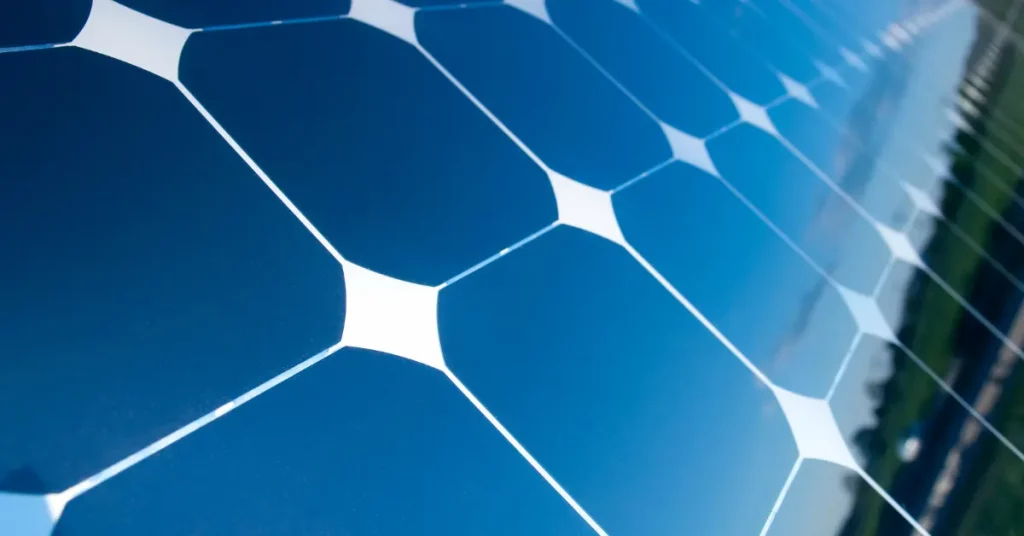
The solar industry is entering a new phase of innovation, and one of the most exciting developments is the rise of Flexible Tandem solar technology. As manufacturers push beyond the limits of traditional silicon panels, tandem solar cells are emerging as a major breakthrough capable of delivering higher efficiency, lighter designs, and expanded installation possibilities.
In 2026, researchers and solar manufacturers are focusing heavily on flexible tandem solar cells because they combine two major advancements:
- Tandem photovoltaic structures
- Flexible lightweight materials
Together, these technologies could transform how solar energy is used across buildings, vehicles, portable devices, and large scale renewable energy systems.
What Is Flexible Tandem Solar Technology?
Flexible Tandem solar technology refers to photovoltaic cells that use multiple light absorbing layers while being built on lightweight or flexible substrates instead of rigid glass.
Traditional solar panels use a single silicon based photovoltaic layer. Tandem solar cells stack multiple semiconductor materials together so the panel can capture a broader range of the solar spectrum. This allows significantly higher efficiency compared to conventional single junction solar cells.
When combined with flexible materials, tandem solar cells become:
- Lightweight
- Bendable
- Portable
- Easier to integrate into non traditional surfaces
What Does Tandem Mean in Solar Technology?
A tandem solar cell uses two or more photovoltaic materials layered together. Each layer absorbs different wavelengths of sunlight, allowing the cell to convert more solar energy into electricity.
For example:
- The top layer captures high energy light
- The bottom layer absorbs lower energy wavelengths
This reduces energy loss and improves total electricity generation. According to the National Renewable Energy Laboratory NREL, tandem solar architectures are one of the most promising pathways for surpassing the efficiency limits of traditional silicon solar cells.
Why Flexible Solar Technology Matters
Traditional solar panels are highly durable and efficient, but they also come with certain limitations. Their weight and rigid construction can restrict installation options.
Flexible solar technology addresses these challenges by enabling deployment on:
- Curved surfaces
- Vehicles
- Portable systems
- Lightweight structures
- Building integrated applications
Flexible Tandem technology combines these advantages with next generation efficiency improvements.
How Flexible Tandem Solar Cells Work
Most Flexible Tandem designs combine perovskite solar materials with silicon or thin film photovoltaic layers. Perovskites are synthetic crystalline materials known for their excellent light absorption capabilities.
The tandem structure provides:
- Better sunlight utilization
- Higher conversion efficiency
- Lower thermal losses
Flexible substrates may include:
- Plastic films
- Metal foils
- Ultra thin glass
This results in solar modules that are significantly lighter than conventional rigid panels.
Why the Solar Industry Is Excited About Flexible Tandem Technology
Flexible Tandem solar cells are attracting significant attention because they could solve several long standing challenges within the solar industry.
Higher Efficiency Potential
Traditional commercial silicon panels generally achieve efficiencies between 20% and 24%. Flexible Tandem technologies are targeting efficiency levels above 30%.
Industry research shows that tandem perovskite silicon solar cells have already achieved laboratory efficiencies exceeding 33%, highlighting the enormous potential of this technology.
Lightweight Construction
Traditional glass solar panels can be heavy and difficult to install on certain structures. Flexible Tandem modules could significantly reduce:
- Structural load requirements
- Transportation costs
- Installation complexity
This creates opportunities for applications where traditional panels may not be practical.
Expanded Application Possibilities
Flexible Tandem technology could unlock entirely new solar use cases, including:
- Electric vehicles
- Wearable electronics
- Building facades
- RVs and marine systems
- Portable charging equipment
- Smart infrastructure
Perovskites and Flexible Tandem Solar Panels
Perovskites are central to many tandem solar breakthroughs and are considered one of the most promising photovoltaic materials under development today.
Why Perovskites Matter
Perovskite materials offer several advantages:
- Strong light absorption
- Tunable bandgaps
- Lower manufacturing temperatures
- High theoretical efficiency
Researchers believe perovskite tandem cells could eventually outperform conventional silicon technology while potentially reducing manufacturing costs. According to Nature Energy research, perovskite tandem technology is now considered one of the most important next generation photovoltaic innovations.
Challenges Facing Flexible Tandem Technology
Despite rapid progress, several challenges remain before Flexible Tandem solar becomes widely commercialized.
Long Term Durability
Flexible materials and perovskites can be sensitive to environmental conditions such as:
- Moisture
- UV exposure
- Oxygen
- Heat
Improving long term stability remains one of the industry’s primary research priorities.
Manufacturing Scalability
Producing tandem solar cells at commercial scale is more complex than manufacturing traditional silicon panels. Challenges include maintaining layer uniformity, material stability, and large scale deposition processes.
Cost Reduction
While tandem technologies may offer superior efficiency, manufacturers must continue reducing production costs to compete with established silicon supply chains.
Flexible Tandem vs Traditional Silicon Solar Panels
Traditional Silicon Panels
Traditional silicon panels offer:
- Mature manufacturing processes
- Proven reliability
- Lower production costs
- Widespread availability
Flexible Tandem Panels
Flexible Tandem panels offer:
- Lightweight construction
- Potentially higher efficiency
- Greater installation flexibility
- Expanded application opportunities
While silicon remains dominant today, Flexible Tandem technology could open entirely new markets where conventional panels are less practical.
How Flexible Tandem Technology Could Reshape Solar Energy
Flexible Tandem technology may dramatically expand where solar energy can be deployed.
Building Integrated Photovoltaics
Solar materials could become integrated directly into:
- Windows
- Facades
- Roofing systems
Transportation Applications
Flexible solar technology could support:
- Electric vehicles
- Commercial trucks
- Marine vessels
- Aircraft applications
Portable Power Systems
Lightweight tandem modules may improve:
- Disaster response systems
- Military applications
- Camping equipment
- Off grid power solutions
What Major Solar Companies Are Doing
Major manufacturers and research institutions are investing heavily in tandem solar development. LONGi, one of the world’s largest solar manufacturers, has identified tandem and next generation photovoltaic technologies as key priorities for the future.
Across the industry, companies are actively pursuing:
- Perovskite silicon tandem cells
- Flexible photovoltaic materials
- Roll to roll solar manufacturing
Will Flexible Tandem Replace Silicon Solar Panels?
In the near term, traditional silicon panels are expected to remain the dominant technology because they are affordable, reliable, and supported by mature manufacturing infrastructure.
However, Flexible Tandem technology could gradually expand into markets where traditional panels face limitations. Many experts believe tandem architectures will become a major driver of future solar efficiency improvements.
The Future of Flexible Tandem Solar Technology After 2026
Several trends are expected to shape the next phase of tandem solar development.
Commercial Pilot Projects
Manufacturers are beginning early commercialization efforts for tandem solar modules.
Improved Material Stability
Researchers continue developing more durable perovskite formulations to address long term reliability concerns.
Higher Efficiency Milestones
Solar efficiency records are expected to continue increasing throughout the next decade.
Integration With Smart Energy Systems
Flexible solar technologies may increasingly integrate with:
- Battery storage
- Smart electronics
- IoT energy systems
Conclusion
Flexible Tandem solar technology represents one of the most exciting developments in renewable energy. By combining advanced tandem photovoltaic structures with lightweight flexible materials, this technology has the potential to dramatically improve solar efficiency while expanding where solar energy can be deployed.
Although challenges related to durability, scalability, and manufacturing remain, rapid research progress suggests Flexible Tandem systems could eventually transform industries ranging from transportation and architecture to portable power and smart infrastructure.
As the solar industry continues evolving beyond traditional silicon panels, Flexible Tandem technology is positioned to play a major role in the next generation of photovoltaic innovation.
FAQs
What is Flexible Tandem solar technology?
Flexible Tandem solar technology combines multiple photovoltaic layers with lightweight flexible materials to improve efficiency and adaptability.
Why are tandem solar cells more efficient?
Tandem cells absorb different wavelengths of sunlight across multiple layers, reducing energy loss and increasing total electricity generation.
What materials are used in Flexible Tandem solar panels?
Many Flexible Tandem designs combine perovskite materials with silicon or thin film photovoltaic layers.
Are Flexible Tandem solar panels commercially available?
Limited pilot production exists today, but large scale commercialization is still under development.
Could Flexible Tandem technology replace traditional solar panels?
Not immediately, but it could expand solar adoption into applications where rigid silicon panels are less practical.
Sources
LONGi Solar Technology Scientific Advances
National Renewable Energy Laboratory NREL Tandem Solar Research
Nature Energy Perovskite Tandem Solar Technology Research
ScienceDirect Flexible Tandem Solar Cell Advancements
MDPI Flexible Perovskite Tandem Photovoltaic Review