
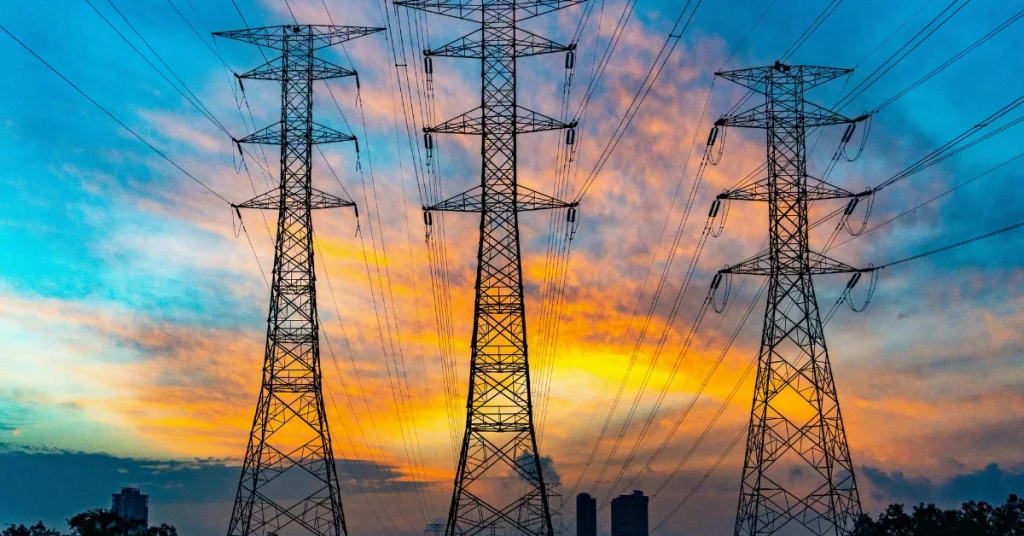
As the world accelerates its transition to renewable energy, the ability to store and dispatch large quantities of electricity has become one of the most important pieces of modern power systems. Grid scale electricity storage refers to energy storage systems that operate at utility-scale capacity to balance supply and demand across the electrical grid. Unlike small storage systems for homes or businesses, grid-scale storage serves entire regions, smoothing out fluctuations from intermittent renewable sources like solar and wind, supporting reliability, and helping ensure power is available when it’s needed most.
In this blog we’ll explain what grid-scale storage is, why it matters, describe the top technologies shaping global markets, and explore trends that will define energy storage through 2026 and beyond.
What grid scale storage means and why it matters
At its core, grid scale storage refers to any system capable of storing electrical energy on a large scale, on the order of megawatts (MW) to gigawatts (GW), and releasing it to support the electricity grid. These systems act like giant batteries for the power grid, storing excess energy when supply exceeds demand and releasing it during peaks or when generation is low.
Grid scale storage is critical because renewable energy sources such as solar and wind do not generate power all the time. Solar produces during the day and wind varies with weather. Without storage, utilities would struggle to maintain a stable supply that matches demand at all hours. Storage systems help with:
- Balancing supply and demand
- Frequency and voltage regulation
- Peak shaving (reducing demand at high-cost times)
- Backup power during outages
- Integration of high levels of renewables
These functions make grid scale storage a cornerstone of resilient and low-carbon energy systems.
How grid scale storage works
Grid-scale storage technologies differ in how they store energy, whether chemically, mechanically, or thermally, but they share the common goal of converting electricity into a storable form and then converting it back when needed. Generally, the cycle involves:
- Charging or storing energy when supply is abundant or cheap, such as midday solar generation.
- Holding the energy in a stable form until it is needed later.
- Discharging the energy back to the grid during peak demand or outages.
Whether the storage medium is water, compressed gas, molten salt, or electrochemical cells, the goal is the same: capture excess energy and release it later with minimal losses.
Top grid scale storage technologies shaping markets
According to recent market analysis, the global grid-scale storage market is growing rapidly, with revenue expected to expand from about $40.7 billion in 2024 to $151.2 billion by 2029, reflecting strong demand for large-scale storage solutions worldwide. Here are the leading technologies that are shaping this growth.
Lithium-ion battery systems
Lithium-ion batteries are currently the most widely deployed grid scale storage technology. Known for high energy density, high efficiency, modularity, and rapidly declining costs, lithium-ion systems are used by utilities to balance short-term fluctuations, provide backup power, and integrate renewable energy. These systems can be scaled from tens of megawatts to hundreds of megawatts.
Battery installations such as large battery energy storage systems (BESS) can respond in milliseconds to changes in demand or supply, making them valuable for grid balancing, frequency control, and ancillary services. New products like utility-scale battery blocks promise faster deployment and lower construction costs, further accelerating adoption.
Pumped hydroelectric storage
Pumped hydroelectric storage (PHS) is one of the oldest and most established grid scale storage technologies. It works by pumping water to an elevated reservoir when excess electricity is available and releasing it through turbines to generate electricity when needed. PHS systems can provide large quantities of storage over long durations, often lasting for several hours of high demand.
Despite being geographically limited, requiring suitable elevation and water resources, pumped hydro accounts for a significant share of global grid storage capacity and continues to be expanded or modernized in many regions.
Flow batteries
Flow batteries use two liquid electrolytes stored in separate tanks, with energy generated when the liquids flow through a cell stack. A key advantage of flow batteries is that power capacity (the size of the cell stack) and energy capacity (the size of the electrolyte tanks) can be scaled independently. This flexibility makes flow batteries attractive for longer-duration storage applications that require sustained energy release.
Flow batteries also boast long lifecycles and can be safer than some other battery chemistries because they are less prone to overheating, which is critical for utility-scale installations.
Compressed air energy storage
Compressed Air Energy Storage (CAES) stores energy by compressing air into large underground caverns or tanks when electricity supply is plentiful. When electricity is needed, the compressed air expands through turbines to generate power. This system works well for long discharge durations, making it suitable for balancing renewable generation over hours or even days.
CAES plants are fewer in number than other storage types, largely because suitable geological sites are required and because efficiencies tend to be lower than those of battery systems, but the potential for large capacities remains significant.
Thermal energy storage
Thermal energy storage systems store energy in the form of heat or cold, often using materials such as molten salts or phase-change materials, and convert it back to electricity when needed. Thermal systems are particularly useful in combination with concentrated solar plants or industrial applications where heat can be a direct input for production processes.
Although less common than battery or pumped hydro systems, thermal storage is gaining attention because of its ability to provide long-duration storage and to integrate with existing thermal power plants.


Emerging grid scale technologies
In addition to the well-established methods above, researchers are exploring other storage concepts that could become important in the coming years. These include compressed carbon dioxide energy storage (which uses liquified CO₂ to store energy with smaller volume requirements) and advanced mechanical systems like flywheels. Such technologies are still emerging but may serve niche grid functions in the future.
Hydrogen storage, producing hydrogen with excess electricity and later using it in fuel cells or turbines, is another long-term storage solution gaining traction, especially for sectors requiring seasonal or multi-day storage capacity.
How grid scale storage supports renewables
Renewable energy sources such as solar and wind are variable by nature: they generate power when conditions are favorable but not always when demand is high. Grid scale storage helps bridge that gap by storing excess energy produced during sunny or windy periods and releasing it later when needed. This smoothing effect enables higher penetration of renewables without compromising grid stability.
Additionally, storage systems help with peak shaving, reducing demand charges during high-cost periods, and frequency regulation, which keeps the grid’s electrical frequency stable as supply and demand fluctuate on rapid timescales.
When paired with advanced control systems, grid scale storage can also support microgrids and community energy projects, providing localized resilience in addition to large-scale reliability.
Economic and environmental impacts
The rapid growth of grid scale storage is driven not just by technical performance but by economic and environmental benefits. As storage costs decline, especially for lithium-ion systems, utilities find it financially viable to invest in storage to avoid building new peaking power plants or to defer upgrades to transmission and distribution infrastructure.
From an environmental perspective, storage enables cleaner grids by reducing the need for fossil fuel peaker plants that only run during peak demand. By storing excess renewable energy and using it later, carbon emissions associated with electricity generation are cut substantially, contributing to climate goals.
Challenges facing grid scale storage
Despite progress, grid scale storage still faces hurdles:
- geographic constraints: technologies like pumped hydro and CAES require specific geological features.
- cost and financing: large storage projects involve significant upfront investment, though costs continue to fall with technology improvements and economies of scale.
- regulatory and market structures: electricity markets and regulations must adapt to fully value storage’s contributions, which include reliability services beyond simple energy supply.
Addressing these challenges will require coordinated policy support, investment in grid modernization, and continued technological innovation.
Real-world examples of grid scale storage
Major grid scale storage projects are being deployed around the world. For example, large battery installations in cities such as Delhi have improved grid stability, reduced peak demand costs, and enabled renewable integration in densely populated regions.
Pumped hydro projects such as India’s Pinnapuram Integrated Renewable Energy Project, which combines solar, wind, and pumped storage, show how hybrid systems can provide clean, continuous power without relying on fossil fuel generation.
Looking ahead
As grid scale storage technology continues to mature, we expect to see:
- Continued cost reductions for batteries and storage infrastructure.
- Larger deployments integrated with utility-scale wind and solar farms.
- Policy support that rewards storage for reliability and flexibility services.
- Long-duration storage innovation such as hydrogen or carbon dioxide-based systems becoming commercially viable.
These trends will accelerate the shift to clean, reliable, and resilient electric grids capable of meeting the demands of modern economies.
Concluding thoughts
Grid scale electricity storage has become one of the most transformative elements of the energy landscape. From lithium-ion battery farms to pumped hydro reservoirs, multiple technologies are enabling the world to store and use electricity more flexibly and sustainably. As the global market grows rapidly and renewable energy adoption accelerates, grid scale storage will be essential to achieving a reliable, low-carbon energy future.
Understanding these systems and their role helps utilities, policymakers, businesses, and communities plan for a future where power is clean, abundant, and always available.
Sources:
Grid scale storage and top technologies shaping markets. (blog.bccresearch.com)
Global market growth projection for storage technologies.
Mechanical and compressed air technology overview. (Wikipedia)
Thermal energy storage summary. (blog.bccresearch.com)
Grid storage supporting renewable energy integration. (The Tech Vortex)