
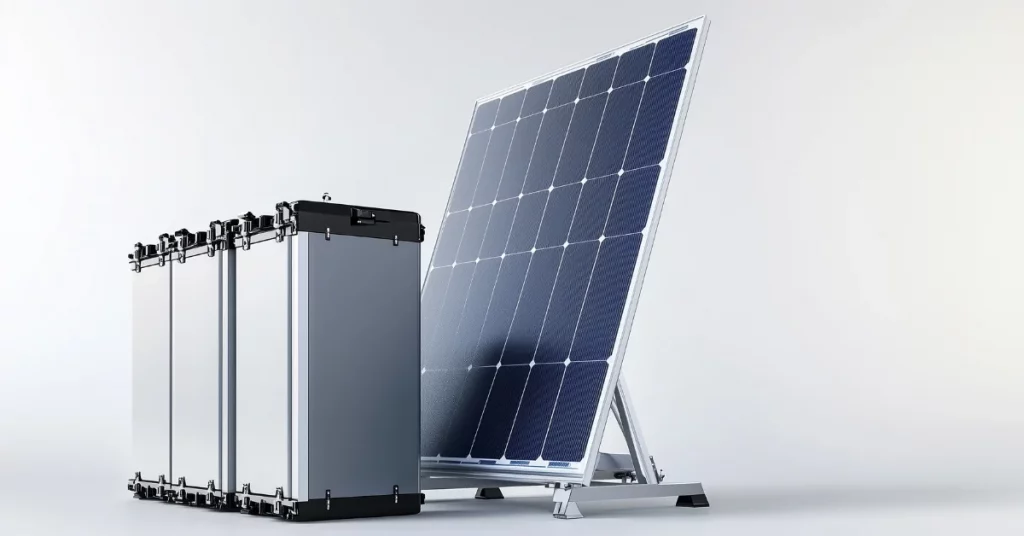
Power outages are an increasingly common part of modern life as electrical grids strain under weather events, growing demand, and aging infrastructure. For many homeowners and businesses, living without electricity, even for a few hours, can be disruptive or downright dangerous. Solar backup systems provide an elegant solution that lets you keep the lights on, stay connected, and protect essential appliances when the grid fails. In this blog, we’ll walk through what solar backup systems are, how they work, why they matter, and how you can choose the right setup for your needs as of 2026.
What solar backup systems?
A solar backup system is a power solution that couples solar panels, energy storage (usually batteries), and smart electrical components to deliver electricity during a grid outage or anytime you need stored energy. Unlike a typical solar installation that only generates electricity when the sun is shining, a solar backup system captures extra energy and stores it so you can tap into it later, including at night or during emergencies. These systems often include components such as panels, inverters, charge controllers, and battery storage units that together make reliable backup power possible.
Solar backup systems are distinct from traditional fossil-fuel generators, which require fuel, make noise, and produce emissions. Solar backups operate cleanly, quietly, and with fewer moving parts, making them increasingly appealing as both everyday energy systems and emergency power sources.
Why solar backup systems matter
Modern life depends on a reliable flow of electricity. From refrigeration and heating to medical devices, servers, and security systems, many essential functions can fail without power. In areas prone to hurricanes, wildfires, winter storms, or grid instability, outages can last hours or even days. Solar backup systems help protect against these risks while also reducing overall energy costs and carbon footprint.
Among the most important reasons solar backup systems matter:
1. Uninterrupted power during emergencies
Solar backup systems store energy for use when the grid goes down. With the right battery capacity, these systems can run critical loads, such as lights, refrigeration, medical devices, and communication equipment, through extended outages.
2. Lower reliance on fossil fuels
Unlike diesel or gasoline generators, solar backup systems use renewable solar energy and do not emit pollutants during operation. Over time, that means cleaner air and a smaller carbon footprint.
3. Greater energy independence
Storing your own solar energy reduces dependency on the power grid and insulates you from rate increases or utility curtailments.
4. Cost savings over time
While the upfront cost can be significant, solar backups can lower long-term energy expenses by capturing free solar energy and using it when utility rates are highest or when grid power fails.
5. Quiet and low maintenance operation
Unlike noisy fuel-powered generators that require regular servicing and fuel deliveries, solar backup systems operate silently and generally need only periodic cleaning and monitoring.
Understanding how solar backup systems work
A solar backup system works by capturing energy from sunlight and storing it in batteries for later use. Here’s a simplified step-by-step explanation:
Solar generation
Solar panels convert sunlight into direct current (DC) electricity during the day. Some of that electricity powers appliances in real time, while extra energy is routed to the battery bank for storage.
Storage and control
A charge controller ensures the energy going into the batteries charges them safely and efficiently. This prevents overcharging, which can reduce battery life or cause damage.
Conversion and usage
When energy is needed, the system’s inverter converts the DC electricity stored in the batteries into alternating current (AC) electricity, which is what most household devices use.
Outage response
When the grid fails, smart systems automatically disconnect from the utility and switch to battery power, delivering electricity to your home without manual intervention. In advanced systems this transition is so fast it’s nearly seamless.
There are three main ways solar backup systems are configured:
- Grid-tied with battery backup, which stays connected to the utility but uses stored energy if the grid goes down.
- Off-grid systems, which are entirely independent of the utility and rely solely on solar generation and storage.
- Hybrid systems, which combine grid connection with robust battery storage and can balance cost savings with reliability.
Key components of a solar backup system
A comprehensive solar backup system requires synergy between several critical components:
Solar panels
These are the front line of any solar power system. Made of photovoltaic cells, they capture sunlight and convert it into electricity. Higher-efficiency panels produce more energy in less space, which is beneficial for both everyday use and charging batteries.
Charge controller
This device regulates how much electricity enters the batteries from the panels, guarding against overcharging and improving battery performance. Modern systems often use maximum power point tracking (MPPT) controllers for greater efficiency.
Battery storage
Batteries store excess energy and supply it when needed. Lithium-ion and lithium iron phosphate (LiFePO4) batteries are common due to their long life, high efficiency, and lower maintenance.
Inverter
Most electrical appliances run on AC power, so the inverter converts stored DC power into usable AC power. Hybrid inverters can manage both solar generation and battery discharge in one unit.
Monitoring systems
Many backup solutions include monitoring tools that show performance, battery state, and historic energy use, often accessible via mobile apps or web dashboards.
How to size and choose the right system
Choosing a solar backup system requires understanding your specific energy needs and site conditions. Important factors include:
Energy usage
Start by analyzing your typical electricity usage. List the appliances and systems you want backed up (lights, refrigerator, medical equipment), and estimate their power consumption in watts. This helps you decide how much battery capacity you need.
Outage duration expectations
Consider how long you want your system to sustain power during a grid failure. Longer autonomy requires larger battery storage.
Space for solar panels
Ensure your roof or open land can accommodate enough solar panels to generate sufficient power.
System type
Decide if you prefer a system that remains grid-connected (hybrid or grid-tied with battery backup) or one that stands alone (off-grid). Hybrid systems often offer the best combination of reliability and cost savings.
Component quality and warranties
Choose reputable manufacturers and ensure warranties cover panels, batteries, and inverters to safeguard your investment.
Real-world benefits in action
Solar backup systems deliver tangible value in everyday life:
- A residential backup system can keep essential loads running through storms or utility outages, keeping lights, refrigeration, and climate control on when the grid fails.
- Businesses can protect operations and data during outages, avoiding losses from downtime and equipment damage.
- In critical facilities like hospitals or emergency shelters, backup solar ensures power for vital medical or communication equipment even during prolonged grid issues.
These real-world applications show why solar backup systems are becoming popular in hurricane zones, wildfire areas, and any region where grid reliability is a concern.
Cost and incentives
Solar backup systems vary widely in price based on size and configuration. A typical residential system may range from around $15,000 to $30,000 before incentives. While this investment might seem high, long-term benefits such as reduced utility costs, fewer fuel expenses from traditional generators, and incentives like federal tax credits can improve return on investment.
Many countries and states offer incentives for renewable energy and battery storage. In the U.S., for example, federal tax credits and state rebates can help lower upfront costs. Always check current incentive programs with your installer or local energy office.
Concluding thoughts
Solar backup systems are an essential part of building a resilient, sustainable energy future. By storing solar energy and delivering power during outages, these systems protect homes and businesses from disruption while reducing reliance on fossil fuels and fluctuating utility prices.
Whether you live in an area prone to outages or simply want greater energy independence, a solar backup system offers peace of mind and long-term value. With thoughtful sizing, quality components, and appropriate warranties, a solar backup system can be an investment that pays dividends in reliability, savings, and environmental benefit.
Sources:
Solar powered emergency backup systems overview and components. (a1solar.com)
Basics and benefits of solar backup systems. (Solar Products Information)
Long-term benefits of solar battery backup. (prostarsolar.net)
Technical details on hybrid and DC vs AC coupled systems. (A1 SolarStore)
Home backup power system dynamics and benefits. (ritarpower.com)