
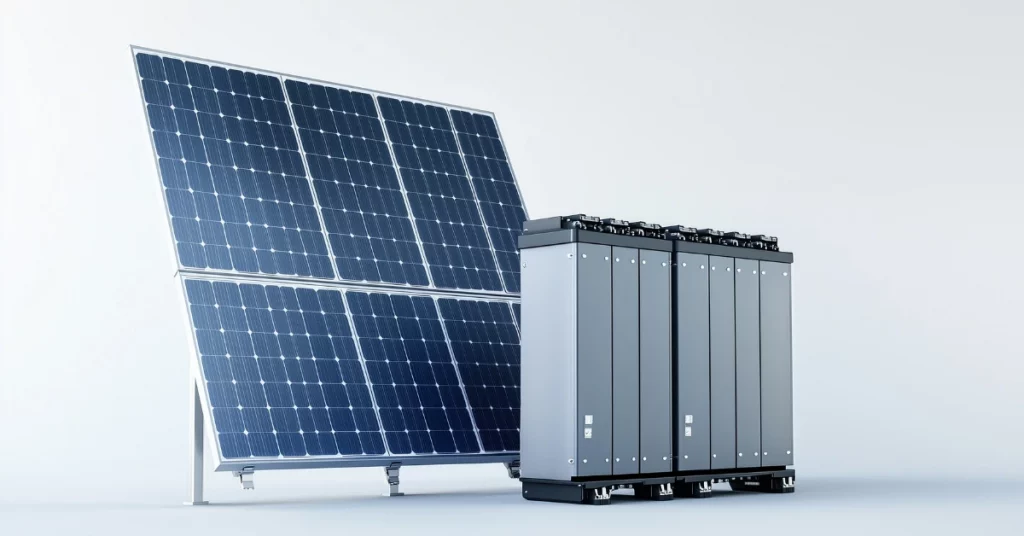
Solar backup systems are integrated energy solutions that combine solar panels with battery storage and smart inverters to provide power during grid outages or emergencies. Unlike a standard solar array that only supplies electricity when the grid is active, a backup system stores excess energy in batteries so it can be used when the grid fails, offering resilience and uninterrupted power for homes, businesses, and critical infrastructure.
As weather‑related blackouts and aging electricity infrastructure become more common, people increasingly look to solar backup systems as a clean, quiet, and sustainable alternative to traditional fossil fuel generators. These systems not only keep the lights on but also reduce long‑term energy costs and environmental impact.
How do solar backup systems work?
A solar backup system typically includes the following key components:
- Solar panels, which convert sunlight into electricity
- Battery storage, which holds surplus energy for later use
- Inverter, which converts solar electricity (DC) to usable alternating current (AC)
- Automatic transfer switch or smart controller, which detects grid outages and switches power seamlessly
During normal operation, solar panels generate electricity that first powers your home or business. Any excess energy is stored in batteries for later use. When a power outage occurs, a smart controller detects the loss of grid power and automatically switches to battery power, often in a fraction of a second. This seamless transition ensures that essential circuits, like lights, refrigeration, medical devices, or communications systems, stay powered without interruption.
Systems can be customized so that only critical loads are backed up, conserving battery energy and extending the duration of backup power during longer outages.
Why are solar backup systems important?
Power outages, whether caused by extreme weather, grid failures, or aging infrastructure, can disrupt daily life and business operations. According to energy data, the average American household experienced multiple hours of interruptions in recent years, highlighting the growing need for reliable backup power solutions.
Traditional backup generators run on diesel or gasoline, which are noisy, polluting, and require fuel that may not be readily available during emergencies. Solar backup systems eliminate these drawbacks by relying on renewable solar energy and batteries.
Key reasons they matter include:
- Reliable emergency power — Keeps critical systems running when the grid fails.
- Reduced dependence on fuel — No need for diesel or gasoline deliveries.
- Lower operating costs — Solar energy is free once installed, and batteries smooth out energy use.
- Quiet operation with no emissions — Unlike generators, solar backup runs silently and cleanly.
Residential applications of solar backup systems
For homeowners, solar backup systems provide peace of mind and safety. By powering essential appliances like refrigerators, lights, sump pumps, medical devices, and communications equipment, these systems ensure day‑to‑day comfort and security even during extended outages.
A typical residential system might include a solar array sized to meet average daytime use and a battery bank capable of powering critical circuits for 12–24 hours, though durations depend on system size and electrical loads.
In areas prone to hurricanes, wildfires, or extreme storms, a solar backup system can mean the difference between staying connected and losing power for days, which is especially important for families with special medical needs or remote workers.

Commercial and critical uses of solar backup systems
Businesses also benefit significantly from solar backup systems. Unplanned downtime can cause huge financial losses, especially for sectors like retail, manufacturing, data centers, and healthcare. A solar backup system can keep operations running, protect data, and ensure customer service continuity.
Critical infrastructure such as hospitals, emergency shelters, telecom centers, and emergency services require uninterrupted electricity to function safely during crises. Solar backup systems provide consistent power, reducing reliance on fuel deliveries and minimizing risk during extreme weather or grid instability.
Benefits and long‑term value
Investing in solar backup systems offers both short‑term and long‑term advantages:
Increased energy independence
Solar backup systems give building owners more control over their energy, reducing dependence on the local grid.
Environmental sustainability
Because they rely on renewable energy, these systems help cut greenhouse gas emissions and fossil fuel usage.
Cost savings
Even though the upfront cost can be significant, long‑term savings from avoided fuel purchases and reduced utility bills often make solar backup systems financially attractive. Available incentives, tax credits, rebates, and financing options can also lower the initial investment.
Quiet and low‑maintenance
Solar systems operate silently with minimal maintenance compared with diesel generators that require routine servicing and fuel handling.
Challenges and considerations
While solar backup systems offer many benefits, there are a few factors to consider:
- Initial investment: Backup systems typically cost more upfront than generators, due to batteries and smart inverters.
- Sizing complexity: Systems must be sized correctly based on expected loads, outage duration, and available solar resources.
- Battery lifespan: Batteries degrade over time and may need replacement depending on chemistry and use patterns.
Despite these considerations, advances in battery technology and growing interest in resilient energy infrastructure continue to make solar backup systems increasingly practical and cost‑effective.
Conclusion
Solar backup systems are a powerful solution for households and businesses seeking reliable, clean, and cost‑effective emergency power. By combining solar panels, battery storage, and smart controls, these systems provide uninterrupted energy during grid outages and help reduce dependence on fossil fuel generators.
With benefits like increased energy independence, sustainability, cost savings, and quiet operation, solar backup systems aren’t just an optional feature, they’re becoming essential components of resilient energy planning for the future.