
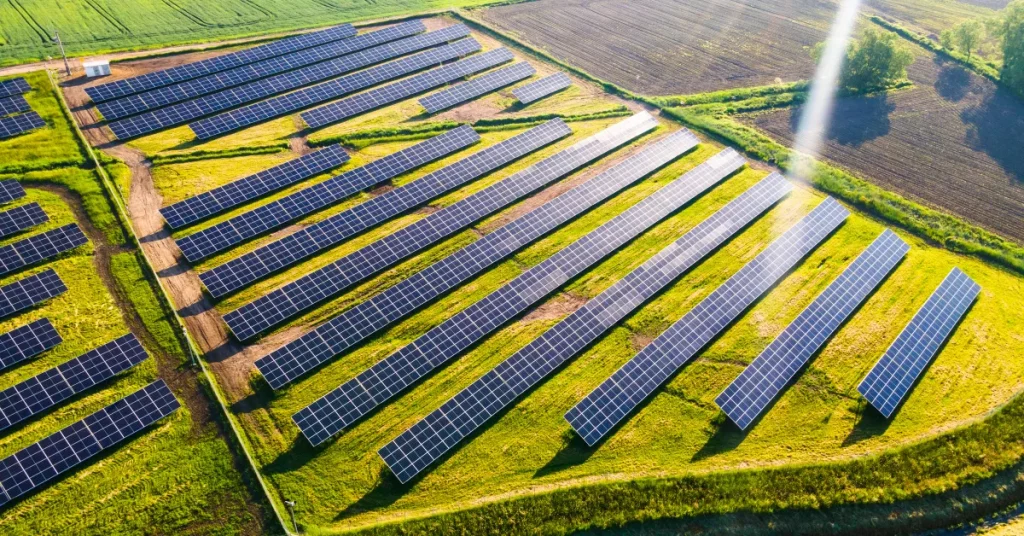
Florida has emerged as one of the fastest-growing solar markets in the United States. Known for its year-round sunshine, growing population, and increasing electricity demand, the state has become a major hub for residential, commercial, and utility-scale solar development.
Over the last decade, solar energy in Florida has expanded rapidly as falling technology costs, improved solar efficiency, and rising interest in energy independence have encouraged more homeowners and businesses to adopt renewable energy solutions.
Today, Florida ranks among the top solar-producing states in the country and continues to attract significant investment in solar infrastructure.
Why Florida is ideal for solar energy
Several factors make Florida one of the strongest solar markets in the United States.
Explore New York’s Solar Market
Discover New York’s solar rankings, installed capacity, growth trends, incentives, and equipment availability. Access localized market insights to support smarter procurement and project planning across the state.
Abundant sunshine
Florida receives high levels of solar irradiation throughout the year, allowing solar panels to generate electricity consistently across most regions of the state.
Because of its climate, Florida offers strong solar production potential for:
- Residential rooftops
- Commercial buildings
- Utility-scale solar farms
Growing electricity demand
Florida’s population continues to grow, increasing overall electricity consumption.
New housing developments, commercial expansion, and growing energy needs are driving demand for additional power generation across the state.
According to industry and utility forecasts, Florida remains one of the fastest-growing electricity markets in the country. (The Invading Sea)
Falling solar costs
The cost of solar equipment has declined significantly over the past decade, making solar installations more financially attractive.
According to EnergySage marketplace data, solar pricing in Florida remains competitive compared to many other major U.S. markets.
How much solar energy does Florida produce?
Florida has become one of the largest solar-producing states in America.
According to Climate Central data cited in Florida energy reporting, Florida generated approximately 30,131 gigawatt-hours (GWh) of solar electricity in 2025, ranking behind only California and Texas.
The state has also seen rapid growth in installed solar capacity.
SEIA and Wood Mackenzie data show that Florida has consistently ranked among the top states for annual solar installations, with thousands of new residential and utility-scale systems added each year.
Residential solar energy in Florida
Residential solar remains one of the fastest-growing segments of Florida’s solar market.
Homeowners are increasingly installing rooftop solar systems to:
- Lower electricity bills
- Reduce dependence on utility providers
- Improve energy resilience
- Increase property value
According to EnergySage, the average Florida homeowner typically requires a system around 14.64 kW to offset electricity consumption, though actual system sizes vary depending on household energy use.
Commercial solar growth in Florida
Commercial solar adoption is also expanding rapidly.
Businesses are investing in solar energy to:
- Reduce operating costs
- Improve sustainability performance
- Stabilize long-term energy expenses
Commercial installations can be found on:
- Warehouses
- Distribution centers
- Manufacturing facilities
- Office buildings
- Agricultural operations
Many organizations are also integrating battery storage systems alongside solar generation.
Utility-scale solar farms
One of the biggest drivers of Florida’s solar growth is utility-scale solar development.
Large solar farms generate electricity for utility companies and supply power directly to the grid.
Major Florida utilities continue expanding solar generation capacity to meet future electricity demand while reducing reliance on fossil fuels.
Utility-scale projects now account for a significant portion of the state’s total solar generation capacity.
Solar energy storage in Florida
Battery storage is becoming an increasingly important part of Florida’s energy landscape.
Solar batteries allow homeowners and businesses to:
- Store excess solar energy
- Use electricity during outages
- Reduce peak-hour utility costs
- Improve energy independence
Florida’s vulnerability to hurricanes and severe weather events has increased interest in backup power systems.
As a result, solar-plus-storage installations are becoming more common throughout the state.
Florida solar incentives
Several incentives help improve the economics of solar energy in Florida.
Property tax exemption
Florida provides a property tax exemption for qualifying residential solar systems.
This helps homeowners avoid increased property taxes due to solar-related home value improvements.
Net metering
Many Florida solar customers participate in net metering programs, allowing excess electricity generation to be credited through utility billing arrangements.
Policies vary depending on utility providers and regulatory requirements.
Federal incentives
Federal clean energy incentives have historically helped reduce installation costs for qualifying solar projects.
Businesses may still qualify for certain federal energy incentives depending on project structure and eligibility requirements.
Community solar opportunities
Community solar programs allow residents to benefit from solar energy without installing panels directly on their property.
This can be especially beneficial for:
- Apartment residents
- Renters
- Homes with shaded roofs
Community solar helps expand access to renewable energy across a broader range of consumers.
Challenges facing solar energy in Florida
Despite strong growth, several challenges remain.
Grid infrastructure
As solar deployment increases, utilities must continue investing in transmission and grid modernization.
Weather considerations
Florida experiences:
- Hurricanes
- Tropical storms
- High humidity
Solar systems must be designed to withstand challenging environmental conditions.
Policy uncertainty
Changes to state or federal energy policy can affect project economics and investment decisions.
The role of Florida’s solar industry organizations
Industry groups continue supporting solar growth through education, advocacy, and workforce development.
Organizations such as the Florida Solar Energy Industries Association (FlaSEIA) help promote solar adoption, industry standards, and professional training throughout the state.
Florida is also home to the Florida Solar Energy Center, one of the largest renewable energy research institutes in the United States.
Future outlook for solar energy in Florida
Several trends are expected to shape Florida’s solar market in the coming years.
Continued utility-scale expansion
Large solar farms are expected to remain a major source of new electricity generation.
Increased battery adoption
More homeowners and businesses are pairing solar systems with battery storage.
Growing residential demand
Florida continues to rank among the strongest residential solar markets in the country.
National solar leadership
Florida is expected to remain one of the top U.S. states for solar energy production and deployment.
Conclusion
Solar energy in Florida has grown from a niche market into one of the largest renewable energy sectors in the United States. Supported by abundant sunshine, strong consumer demand, expanding utility-scale projects, and improving solar technology, Florida continues to play a major role in the country’s clean energy transition.
From residential rooftop systems and commercial installations to large solar farms and battery storage projects, solar energy is becoming an increasingly important part of Florida’s electricity future.
As energy demand continues rising and solar technology advances, Florida is well positioned to remain one of the nation’s leading solar markets for years to come.
FAQs
Is Florida a good state for solar energy?
Yes. Florida receives strong sunlight throughout the year and ranks among the top states for solar generation and installations.
How much solar energy does Florida produce?
Florida generated approximately 30,131 GWh of solar electricity in 2025, making it one of the largest solar-producing states in the country. (The Invading Sea)
Are solar panels worth it in Florida?
For many homeowners, solar panels can reduce electricity costs and provide long-term energy savings.
Does Florida offer solar incentives?
Yes. Florida offers property tax exemptions for qualifying solar systems and supports solar adoption through additional programs and utility structures.
Is battery storage becoming popular in Florida?
Yes. Interest in solar batteries continues growing due to outage preparedness and energy resilience concerns.
Sources
- SEIA Florida solar market overview
- U.S. Energy Information Administration (EIA) — Solar energy and electricity market data
https://www.eia.gov/ - National Renewable Energy Laboratory (NREL) — Solar technology and market research
https://www.nrel.gov/solar/ - Wood Mackenzie & SEIA — U.S. Solar Market Insight reports
https://www.woodmac.com/industry/power-and-renewables/us-solar-market-insight/