
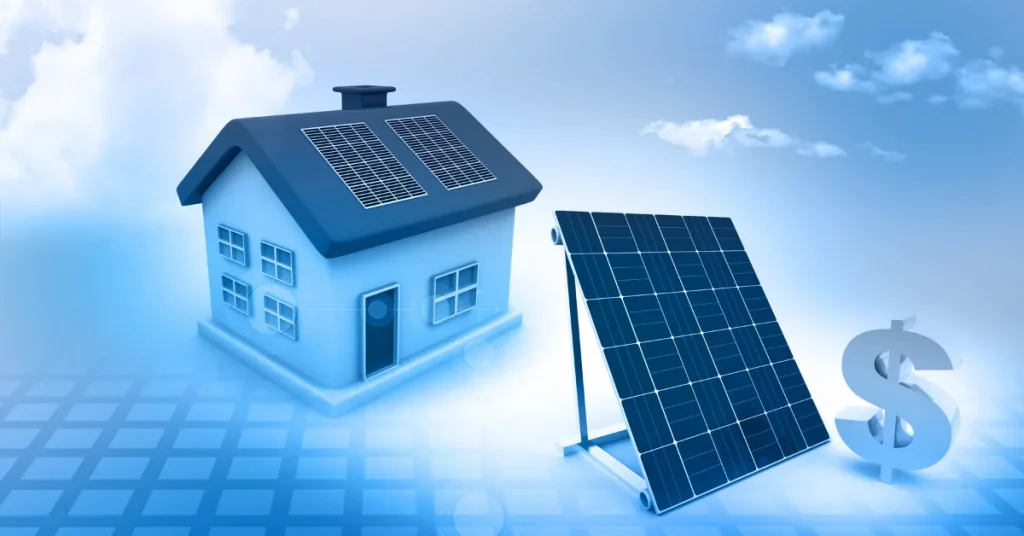
Switching to solar energy is a major step toward clean power and long-term savings, but the financial side of the decision can feel overwhelming. Solar installations come with significant upfront costs, including equipment, labor, permits, and electrical work. A typical 12-kilowatt residential system can cost around $30,000 before incentives, so the question many homeowners ask is: How do I afford this?
The good news is that solar has become more accessible than ever. A wide range of financing strategies exists to match different budgets, risk tolerances, and lifestyle plans. Whether you prefer to pay cash, spread payments over time, or avoid ownership entirely, the solar market offers a structure that can fit your needs.
This guide breaks down the most common solar financing strategies and explains how each option works, who benefits most, and what to consider before signing any agreement.
Why financing matters for solar
Solar is unique because it requires a larger upfront investment than traditional grid electricity, but the long-term trajectory is usually the opposite: once installed, solar panels generate electricity at extremely low ongoing cost.
When you buy grid electricity, you pay monthly forever. When you buy solar, you invest upfront and recover the cost gradually through lower electric bills..
Financing plays an important role for several reasons:
1. Solar is capital-intensive
Panels, mounting structures, inverters, batteries (if included), inspections, and installation labor all add up. Financing lets you adopt solar without paying a lump sum out of pocket.
2. Incentives depend on ownership
Federal tax credits, rebates, and certain local incentives are available to system owners but generally not to people using lease or PPA structures. The way you finance your system affects your eligibility.
3. Cash flow matters
Some people want the highest long-term savings. Others want the lowest upfront cost. Financing lets you pick what matters most to you.
4. Solar is an investment.
A system typically lasts 25–30 years. Choosing the right financing strategy ensures you get the best match between long-term return and short-term affordability.
The main solar financing strategies
Cash purchase: A cash purchase means you pay the entire cost of the solar system upfront and own it immediately.
How a cash purchase works: You pay for all project costs at installation. Once the system is operational, all electricity it produces reduces your utility bill, and you receive any incentives available to owners.
Advantages: You get the full financial benefit of ownership. This includes federal tax credits (if you qualify), rebates, and long-term savings.
You avoid interest payments: Because there are no financing charges, cash offers the highest long-term return on investment.
No monthly payments: After installation, there are no ongoing solar-related costs aside from occasional maintenance.
Trade-offs
High upfront cost: Not everyone has the savings to pay thousands of dollars at once.
You take on maintenance responsibility: Although panels require minimal upkeep, the responsibility still falls on the owner unless warranty protections cover specific components.
Best for: Homeowners with sufficient savings, long-term stability in their home, and a strong interest in maximizing return on investment.
Solar loans
Solar loans allow you to own the system but spread the cost over time, similar to a car loan or home improvement loan.
How solar loans work
fA bank, credit union, or specialized solar lender provides financing for the system’s cost. You repay the loan over a set term, usually five to twenty-five years, with fixed or variable payments.
Advantages
Little to no upfront cost: Many solar loans offer $0 down.
You retain ownership: This means you can still claim tax credits, rebates, and increased home value associated with solar ownership.
Immediate energy savings: In some cases, the solar loan payment is lower than the old electric bill, allowing homeowners to save money from day one.
Flexible structure: Loan terms vary widely, so borrowers can prioritize low monthly payments or fast payoff.
Trade-offs
Interest reduces your total savings: You still save money long-term, but the overall return is lower than with cash.
Loan approval depends on credit: Rates and loan programs vary by financial profile.
Selling your home requires loan resolution: Some lenders allow transfers; others require you to pay off the balance at sale.
Best for: People who want ownership benefits but need to spread payments over time.
Leasing, PPAs, and third-party ownership
If you want solar with minimal financial commitment or responsibility, third-party ownership might be the simplest option.
How leases and PPAs work
A solar provider installs and owns the system on your property. You then either:
- Lease the system for a fixed monthly fee, or
- Pay per kilowatt-hour under a power purchase agreement (PPA), similar to buying electricity from a utility but at a lower rate.
Advantages
Low or no upfront cost: Most leases and PPAs require little financial contribution at installation.
No maintenance responsibility: The solar company handles system performance, repairs, and monitoring.
Accessible even without strong credit or savings: This model expands solar to people who might not qualify for ownership incentives.
Trade-offs
You do not own the system: This means no tax credits, no rebates, and no added home equity from solar equipment.
Long-term savings are lower: Lease and PPA payments often include price escalators each year, which reduce the relative savings if grid electricity prices do not rise at the same pace.
Selling your home is more complicated: The new buyer must assume the existing contract, or you must buy out the agreement.
Best for: Renters, homeowners with limited savings, or people who want convenience above long-term financial benefit.
Alternative financing options
Depending on your location, you may have access to additional financing solutions beyond the main three categories.
Home equity loans or HELOCs
These loans use your home as collateral and often have competitive interest rates. Some homeowners prefer these because they can deduct interest if the project qualifies as a home improvement.
Government-backed or incentive-driven loans
Some regions offer green financing programs, lower interest rates for energy-efficient upgrades, or support through environmental initiatives.
Property-assessed clean energy (PACE)-type programs
In limited regions, solar installations can be financed through property taxes, allowing repayment over long terms. These programs attach a lien to the property, which can affect refinancing and resale.
These options vary significantly by location, so availability depends on state laws and local financial partners.
Matching financing strategy to your goals
Choosing the right financing structure requires looking at your long-term plans and financial preferences.
Choose cash if: You want the highest financial return and plan to stay in your home long term.
Choose a loan if: You want ownership but prefer manageable monthly payments.
Choose a lease or PPA if: You want solar with minimal responsibility or aren’t ready for ownership.
Choose alternative financing if: You have home equity, access to regional programs, or prefer to leverage government incentives tied to financing.
What to ask before committing
Before signing any contract, request a detailed proposal that includes:
- Full system cost (itemized)
- Incentives and credits you’re eligible for
- Loan or lease terms, interest rate, and escalation clauses
- Warranty information
- Home sale implications
- Expected electricity production
- Side-by-side comparison of financing options
A transparent breakdown ensures you understand the long-term financial impact of each option.
Final thoughts
There is no universal “best” way to finance solar. Each strategy serves different goals, whether maximizing savings, minimizing upfront costs, or simplifying the experience. With careful evaluation of your financial situation, home plans, and comfort with ownership, you can choose a solar financing path that fits your lifestyle. Solar energy offers decades of clean power, lower bills, and environmental benefits, and the right financing strategy helps make that possible.