
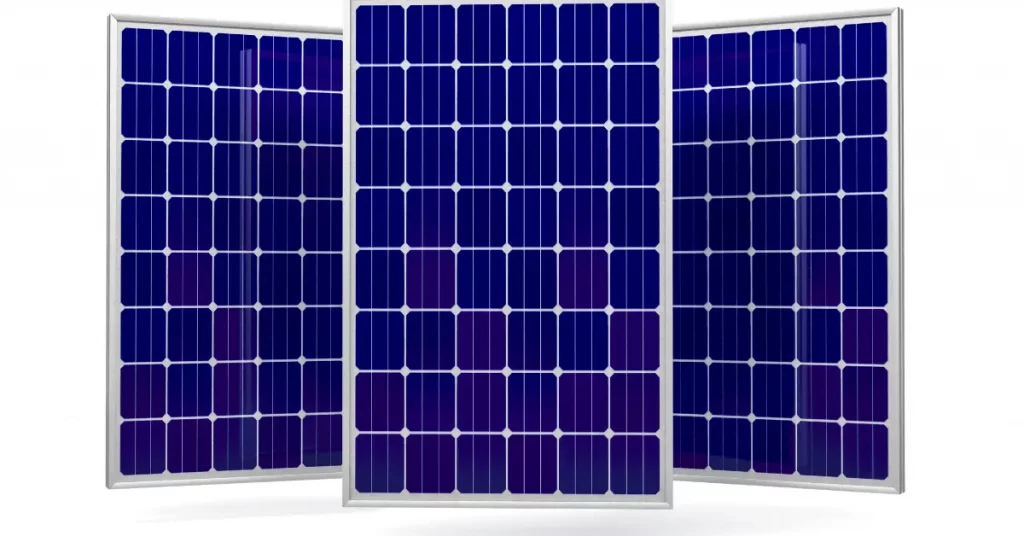
Solar Panel Shading – If you are planning to install solar panels, one of the first questions to consider is how shading might impact your system. Many people assume that a little shade won’t matter, but even small obstructions can affect how much electricity your panels generate.
Understanding how solar panel shading works can help you make better decisions before and after installation.
How Solar Panels React to Shade
Solar panels generate electricity using photovoltaic cells that rely on consistent sunlight. When shade covers part of a panel, it can reduce the flow of electricity across the entire panel.
This is why even small shadows can lead to noticeable drops in energy production.
Solar Panel Shading Around Homes
- Trees and branches
- Nearby buildings
- Chimneys or roof structures
- Seasonal sun angle changes
- Dirt, snow, or debris
Direct shading from nearby objects has the biggest impact on performance.
Is Shade Always a Problem?
Not always.
- Cloudy weather still allows panels to generate electricity
- Indirect sunlight continues to produce energy
- Direct shadows cause the most significant reduction
Understanding the difference helps homeowners set realistic expectations.
Simple Ways to Reduce Shading Issues
Trim Trees Regularly
Keep branches from blocking sunlight.
Install Panels in the Best Location
South-facing roofs or areas with maximum sunlight exposure perform best.
Keep Panels Clean
Dust and debris can act as temporary shading.
Technology That Helps with Shading
Microinverters
Allow each panel to operate independently.
Power Optimizers
Reduce the impact of shading on system performance.
These technologies are especially useful for homes with partial shading.
What If Shading Changes Over Time?
Over the lifespan of your solar system, your surroundings may change. Trees can grow, and new buildings may be constructed nearby.
Monitoring your system helps detect performance drops early so you can take action when needed.
Conclusion
Shading can impact solar panel performance more than expected, but it doesn’t mean solar won’t work for your home. With proper planning, maintenance, and the right technology, you can still generate reliable solar energy.
FAQs
1. Do solar panels stop working in the shade?
No, they do not stop completely, but their output can drop significantly, especially with direct shading.
2. Can solar panels work on cloudy days?
Yes, solar panels still produce electricity using indirect sunlight, though at reduced efficiency.
3. How can I tell if my solar panels are affected by shade?
A noticeable drop in energy production, especially during certain times of the day, may indicate shading issues.
4. Is it worth installing solar panels if my roof has some shade?
Yes, but system design and technology selection become important. Microinverters or optimizers can help improve performance in partially shaded conditions.