
As solar energy becomes more common in homes and businesses, many people are asking an important question: do solar panels emit EMF, and is it harmful?
It is a valid concern. We are surrounded by devices that produce electromagnetic fields EMF every day, from smartphones and Wi Fi routers to household appliances. Naturally, homeowners want to understand whether installing a solar system introduces any health risks.
The good news is that scientific research and health organizations consistently show that solar systems operate within very low and safe EMF levels.
What Is EMF?
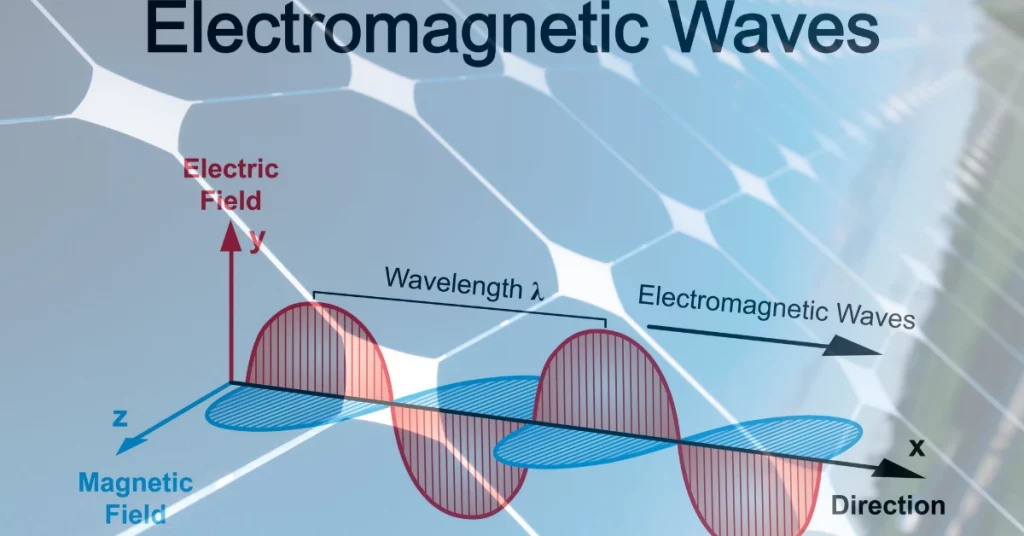
Electromagnetic fields EMF are invisible areas of energy created whenever electricity flows. They exist across a broad spectrum ranging from low frequency fields to high frequency radiation.
There are two primary categories of EMF.
Low Frequency Non Ionizing Radiation
Produced by everyday electrical systems such as appliances, power lines, Wi Fi routers, and solar energy systems. These are considered low energy and generally safe.
High Frequency Ionizing Radiation
Includes X rays and gamma rays, which can damage cells at very high exposure levels.
Solar systems only produce low frequency non ionizing EMF, which is fundamentally different from harmful ionizing radiation.
Do Solar Panels Emit EMF?
Yes, but not in the way many people fear.
Solar panels generate electricity using photovoltaic cells that convert sunlight into direct current DC electricity. This process produces extremely weak electromagnetic fields. In most cases, the EMF emitted directly from solar panels is minimal and often lower than common household wiring.
The panels themselves are not considered a significant source of EMF exposure.
Where EMF Actually Comes From in a Solar System
If measurable EMF exists in a solar setup, it usually comes from other electrical components rather than the panels themselves.
Solar Inverters
The inverter converts DC electricity into alternating current AC electricity for home use. This conversion process can generate small EMF levels.
Electrical Wiring
Like all electrical systems, wires carrying current create low frequency electromagnetic fields.
Battery Storage Systems
Battery systems may also generate minor EMF during charging and discharging cycles.
Even with these components, overall EMF levels remain well within established international safety limits.
How Solar EMF Compares to Everyday Devices
One of the most important things to understand is that solar system EMF is typically much lower than the exposure people experience daily from common electronics.
Devices that commonly emit EMF include:
- Smartphones
- Wi Fi routers
- Microwave ovens
- Household appliances
- Power lines
In many situations, standing near a solar inverter exposes you to less EMF than using a smartphone or sitting near a wireless router.
Is EMF From Solar Panels Dangerous?
According to current scientific consensus, no.
Organizations such as the World Health Organization WHO and other health authorities have studied low frequency EMF extensively. There is no consistent scientific evidence linking low level EMF exposure from residential electrical systems to serious health problems.
Solar systems do not emit ionizing radiation, which means:
- They do not damage DNA
- They do not cause radiation sickness
- They are considered safe for homes and businesses
Modern solar systems operate within low frequency EMF ranges regarded as safe by international standards.
Do Solar Installations Meet Safety Standards?
Yes. Modern solar systems are designed and installed according to strict electrical and safety regulations.
Professional installers follow standards that ensure:
- Proper system grounding
- Safe inverter placement
- Compliance with EMF exposure guidelines
When installed correctly, a solar system is considered no more hazardous than standard household electrical systems.
How to Reduce EMF Exposure Even Further
Although solar EMF levels are already considered safe, some homeowners may still want additional peace of mind.
Install Inverters Away From Living Spaces
Positioning inverters in garages or utility areas can further reduce exposure.
Avoid Placing Batteries in Bedrooms
Battery storage systems are better located in dedicated utility or storage spaces.
Use Professional Installation
Correct grounding and wiring help ensure the system operates safely and efficiently.
These steps are precautionary rather than medically necessary.
Common Myths About Solar Panels and Radiation
Myth 1: Solar Panels Emit Harmful Radiation
False. Solar panels only produce low frequency non ionizing EMF, not dangerous ionizing radiation.
Myth 2: Living Near Solar Panels Is Unsafe
There is no scientific evidence showing residential solar systems create unsafe living conditions.
Myth 3: Solar Systems Increase Cancer Risk
No credible research has linked solar EMF exposure to cancer.
The Bottom Line
So, do solar panels emit EMF? Yes, but at extremely low and harmless levels.
The EMF generated by solar energy systems is comparable to everyday household electrical devices and remains far below dangerous thresholds. For homeowners and businesses, solar continues to be one of the safest and cleanest energy solutions available.
The larger impact of solar energy is not on human health, but on lowering electricity costs, reducing carbon emissions, and improving long term energy sustainability.
FAQs
Do solar panels produce radiation?
Solar panels produce only low frequency non ionizing EMF, not harmful ionizing radiation.
Are solar panels safe for homes?
Yes, properly installed solar systems are considered safe for residential and commercial use.
Which part of a solar system emits the most EMF?
The inverter typically produces the highest measurable EMF levels, though still within safe limits.
Is solar EMF stronger than Wi Fi or smartphones?
No, solar system EMF is generally lower than many everyday electronic devices.
Can solar EMF cause cancer?
There is no credible scientific evidence linking low level solar EMF exposure to cancer.
Sources
World Health Organization WHO electromagnetic fields and public health
National Institute of Environmental Health Sciences NIEHS EMF research
International Commission on Non Ionizing Radiation Protection ICNIRP guidelines