
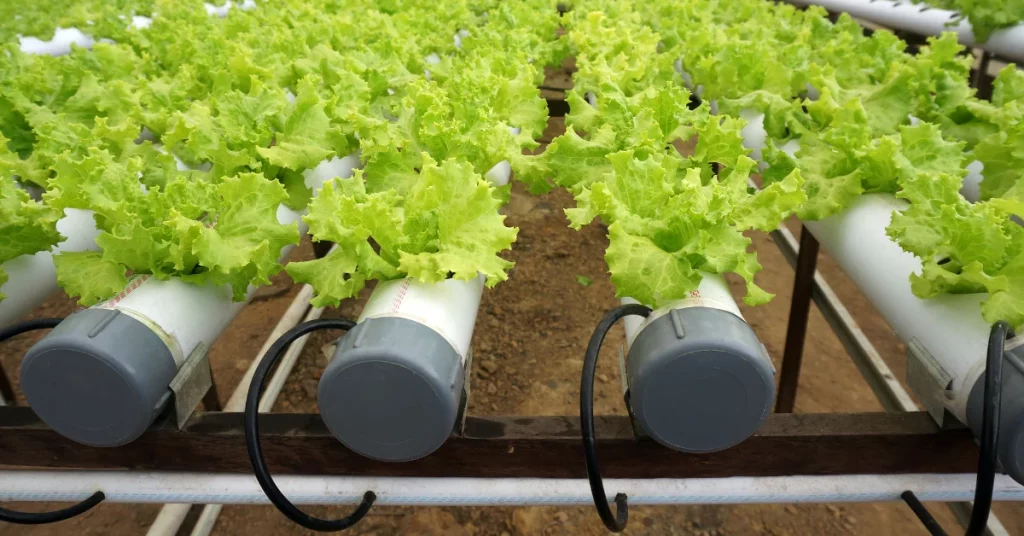
Across the world, farmers, gardeners, researchers, and sustainability advocates are turning toward smarter ways to grow food. Among these innovations, one idea stands out for both its practicality and environmental benefit: solar-powered greenhouses. These structures combine traditional greenhouse farming with renewable solar energy systems to generate power, reduce costs, and extend growing seasons in ways that were once only theoretical. As of 2026, this hybrid approach is gaining real traction, blending agriculture with clean energy to meet global food demands sustainably.
In this blog, we’ll explain what solar-powered greenhouses are, how they work, the benefits they offer, what technical components are involved, real-world applications, and why they matter for the future of farming.
what is a solar-powered greenhouse
A solar-powered greenhouse is a greenhouse structure that uses solar energy systems to generate electricity to power its essential functions such as heating, lighting, ventilation, irrigation, and climate control. Instead of depending primarily on grid electricity or fossil fuels, these greenhouses use sunlight, the same sunlight that plants rely on, to run their equipment.
This concept builds on the idea of a controlled environment for plant cultivation, warm, protected, and optimized for plant needs, but enhances it by integrating solar panels and often energy storage systems. This combination allows growers to operate the greenhouse with minimal external energy inputs, increasing self-reliance and reducing environmental impact.
Solar-powered greenhouses can incorporate solar panels in different ways. Panels may be mounted on the greenhouse roof, adjacent shade structures, or in some emerging designs even integrated into greenhouse materials themselves. These solar modules convert sunlight to usable electricity for greenhouse systems.
How solar energy meets plant needs
Plants require several key environmental conditions to grow well:
- light for photosynthesis
- water for hydration and nutrient transport
- warm temperatures to encourage growth and metabolic activity
- airflow to prevent disease and regulate humidity
Traditional greenhouses help control these factors using heaters, exhaust fans, LED grow lights, irrigation systems, and computerized controls. All of these systems require electricity, which historically has come from grid power or fossil fuel generators. Solar-powered greenhouses shift that energy demand into a renewable source: the sun.
Solar panels, technically called photovoltaic (PV) modules, absorb sunlight and convert it into electricity. That electricity can run fans, heaters, irrigation pumps, and lighting. In many cases, excess energy is stored in batteries for use at night or on cloudy days, producing a stable power supply that helps growers maintain ideal internal conditions.
The benefits of solar-powered greenhouses
Solar-powered greenhouses offer several important benefits for growers of all sizes, from small hobbyists to large commercial operations:
Lower operational energy costs
Greenhouses are energy-intensive environments because climate control and lighting often run around the clock. By generating their own electricity on-site through solar panels, growers can significantly reduce or even eliminate their dependence on utility electricity. Over time, savings in energy costs can offset the initial investment in solar equipment.
Sustainability and reduced carbon footprint
Solar energy is a clean and renewable power source. Unlike electricity generated from fossil fuels, solar power produces no ongoing greenhouse gas emissions during its operation. By powering greenhouses with solar energy, growers reduce their carbon footprint and support broader climate goals.
Year-round production and extended seasons
Because solar power can run heating and lighting systems, solar-powered greenhouses allow growers to produce crops even during seasons or weather conditions that would otherwise limit growth. For example, with solar-powered lighting and heating, lettuce or herbs can be grown throughout the winter in colder regions that would normally be impractical for outdoor farming.
Reliability and energy independence
In areas with unreliable grid access, frequent outages, or high electricity prices, solar-powered greenhouses provide energy independence. With solar panels and battery storage, growers are less vulnerable to power disruptions or price spikes and can maintain continuous greenhouse operations.
Improved plant health and yields
Stable environmental conditions help plants grow more robustly. Solar-powered greenhouses can maintain consistent temperature and humidity levels, contributing to improved plant health, reduced stress from fluctuating environments, and higher crop yields. Many growers report healthier plants and more predictable harvests as a result.
Water efficiency
Greenhouses already conserve water compared with open-field agriculture because irrigation systems can target roots precisely. When combined with solar energy to power automated pumps and controllers, water use becomes even more efficient, reducing waste and saving costs over the long run.
Protection from extreme weather
Greenhouses protect crops from frost, hail, wind, and excessive rain. Powered by solar, these structures can maintain internal climates even during sudden weather changes, giving growers confidence that their crops are shielded from outdoor extremes.

Core components of a solar-powered greenhouse
A typical solar-powered greenhouse combines standard greenhouse features with solar energy systems. Here’s what goes into these systems:
Solar panels
Solar panels capture sunlight and convert it into direct current (DC) electricity. Modern panels can be mounted on roofs, frames next to the greenhouse, or even attached to structural elements designed to let sunlight into plant areas while still producing electricity.
Inverters and power controllers
The electrical output from solar panels must be converted from DC to alternating current (AC) before it can power many greenhouse systems. An inverter performs that conversion, and advanced controllers help regulate energy flow into batteries and to loads.
Battery storage
Excess electricity generated during sunny periods can be stored in battery banks. These batteries release energy during cloudy periods or at night, ensuring systems such as fans, heaters, and lights continue working even when sunlight is unavailable.
Sensors and automation
Sophisticated solar greenhouse systems include sensors that monitor temperature, humidity, light levels, and soil moisture. Automated systems can adjust ventilation, irrigation, and climate controls in real time, creating an ideal environment for plants with minimal manual intervention.
Thermal mass and passive elements
Some designs use thermal mass materials like water barrels or concrete to absorb heat during the day and release it at night, smoothing temperature swings. These passive elements enhance energy retention and reduce overall heating needs.
Challenges and considerations
Despite the many advantages, solar-powered greenhouses have practical challenges that growers should consider:
Upfront investment
The initial cost of solar panels, batteries, inverters, and monitoring systems can be significant. However, long-term savings and potential incentives for renewable energy can offset this investment over time.
Sizing and system design
Designing a system that meets a specific greenhouse’s energy needs requires careful planning. It’s crucial to assess local sunlight availability, greenhouse size, plant lighting requirements, and climate control loads to ensure the solar system is appropriately sized.
Maintenance
While solar panels require relatively little maintenance, greenhouse systems in general need cleaning, inspection, and occasional part replacement. Solar-powered systems add electrical components that require periodic checks to ensure maximum efficiency.
Real-world applications and trends
Solar-powered greenhouses are already used in a variety of settings:
- Commercial farms that grow high-value crops year-round
- Urban farms that grow fresh produce in city environments with limited land
- Educational facilities that teach sustainable agriculture and renewable energy
- Community gardens that provide local food while reducing environmental impact
Combine these systems with digital monitoring and smart automation, and growers can manage greenhouses remotely, optimize energy use, and even participate in renewable energy programs that sell excess power back to the grid.
Concluding thoughts
Solar-powered greenhouses represent a compelling fusion of agriculture and renewable energy, offering economic, environmental, and operational advantages. By harnessing the power of the sun both for plant growth and for powering essential systems, these structures help growers boost yields, cut costs, and build greater resilience in an uncertain climate future.
As renewable energy continues to become more affordable and energy storage technology advances, solar-powered greenhouses are likely to become an increasingly common feature in sustainable farming. Whether you’re a commercial grower, hobby gardener, or educator, understanding how solar can power your greenhouse opens doors to greener, more productive cultivation year-round.
Sources
Advantages of solar greenhouse farming. (SteelPRO PEB)
Solar power role in greenhouse farming. (nalabamasolar.com)
Energy-independent solar greenhouse operations. (iskasera.com.tr)
Passive elements and design features. (solar-powered-greenhouse-solutions.com)