
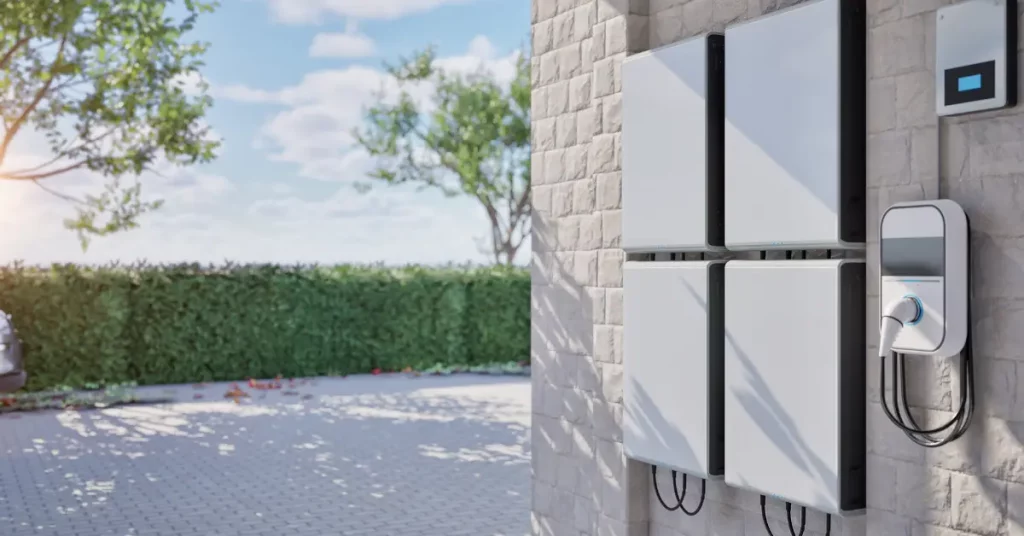
Power outages, rising electricity costs, and increasing demand for energy independence have made home battery backup systems one of the fastest growing segments of the solar industry. In simple terms, a home battery backup system stores electricity, usually from solar panels or the utility grid, and supplies it back to your home when it is needed most.
In 2026, these systems are no longer considered a niche upgrade. They are becoming a core part of modern residential energy setups, especially for homeowners using solar power.
This guide explains what home battery backup systems are, how they work, their benefits, available system types, and what homeowners should consider before installation.
What Is a Home Battery Backup System?
A home battery backup system is a residential energy storage solution that stores electricity for later use. The stored energy typically comes from:
- Solar panels during the day
- The electrical grid during off peak hours
When electricity is unavailable or expensive, the battery supplies stored energy back to the home.
Many modern systems integrate batteries with smart inverters and monitoring software that automatically manage charging, storage, and energy usage.
How Home Battery Backup Systems Work
A home battery system operates through a simple cycle of charging, storage, and energy delivery.
Energy Generation and Charging
Solar panels generate electricity during the day, or the battery charges from the grid during lower cost periods.
Energy Storage
Excess electricity is stored within lithium ion battery cells for future use.
Energy Usage
When solar production decreases or electricity rates increase, the battery supplies stored energy to the home.
Automatic Backup Switching
If a power outage occurs, the system can automatically switch into backup mode and continue powering selected household circuits.
When paired with solar panels, homeowners can store excess daytime energy rather than sending all of it back to the grid.
Why Home Battery Backup Systems Are Growing So Quickly
Several trends are driving the rapid adoption of residential battery storage.
More Frequent Power Outages
Extreme weather events and growing grid reliability concerns have increased the demand for backup power solutions.
Rising Electricity Prices
Stored energy can help reduce reliance on expensive peak rate electricity.
Energy Independence
Many homeowners want greater control over how and when they use electricity.
Better Battery Technology
Modern lithium ion batteries are safer, longer lasting, and more efficient than previous battery technologies.
Key Components of a Home Battery Backup System
A complete residential battery backup system typically includes several core components.
Battery Unit
The battery stores electricity for later use.
Inverter or Hybrid Inverter
The inverter converts stored DC electricity into AC electricity that can power household appliances.
Solar Panels
Although optional, solar panels are commonly used to charge the battery during daylight hours.
Monitoring System
Monitoring software allows homeowners to track battery status, energy usage, and system performance in real time.
Types of Home Battery Backup Systems
Several types of battery systems are available depending on household energy goals.
Solar Plus Battery Systems
These are the most common installations. Solar panels charge the battery during the day, and stored energy is used at night or during outages.
Grid Tied Battery Systems
These systems charge directly from the utility grid and are often used for backup power and time of use energy savings.
Off Grid Systems
Off grid systems operate independently from the utility grid and rely entirely on solar generation and battery storage.
Benefits of Home Battery Backup Systems
Home battery storage offers several advantages for homeowners.
Backup Power During Outages
One of the biggest advantages is the ability to keep essential devices running during blackouts, including lights, refrigeration, internet equipment, and medical devices.
Lower Electricity Bills
Batteries allow homeowners to use stored energy when electricity rates are highest, helping reduce monthly utility costs.
Better Solar Energy Utilization
Rather than exporting excess solar production to the grid, homeowners can store and use more of their own renewable energy.
Greater Energy Independence
Battery systems reduce dependence on utility companies and provide more control over household energy use.
Environmental Benefits
Using stored solar energy can reduce reliance on fossil fuel generated electricity and support broader clean energy goals.
How Long Do Home Batteries Last?
Most modern home battery systems have an expected lifespan of 10 to 15 years. Some premium systems may last even longer depending on usage patterns, maintenance, and battery chemistry.
Lithium ion batteries dominate today’s residential market because they provide higher efficiency, longer cycle life, and better overall performance than older battery technologies.
How Much Backup Power Can You Expect?
The amount of backup power depends on several factors:
- Battery capacity measured in kilowatt hours kWh
- Household energy consumption
- Number of appliances connected
Smaller battery systems may support essential loads for several hours, while larger systems can provide partial or whole home backup for extended periods.
Are Home Battery Backup Systems Worth It?
For many homeowners, the answer is yes. However, the value depends on local electricity costs, outage frequency, and personal energy goals.
Battery systems are often most beneficial for homeowners who:
- Experience frequent outages
- Have high utility bills
- Already use solar panels
- Need reliable backup power
They may provide less financial value in areas with low electricity rates and highly reliable utility service.
Safety of Home Battery Systems
Modern battery systems are designed with multiple layers of protection and safety features.
These often include:
- Thermal management systems
- Battery management systems BMS
- Automatic shutdown protections
Lithium iron phosphate LFP batteries are becoming increasingly popular because they offer improved thermal stability and lower overheating risk compared to older battery chemistries.
Future Trends in Home Battery Backup
The residential energy storage market continues evolving rapidly. Several trends are expected to shape the future of battery storage after 2026.
Lower Battery Costs
Manufacturing scale and technology improvements continue driving battery prices downward.
Smarter Energy Management
Artificial intelligence and advanced software are helping homeowners optimize when energy is stored and used.
Vehicle to Home Integration
Electric vehicles may increasingly serve as backup power sources for homes.
More Whole Home Backup Solutions
New modular battery systems are capable of supporting larger portions of household energy demand for longer periods.
Conclusion
Home battery backup systems are becoming an essential part of modern residential energy infrastructure. They allow homeowners to store solar energy, reduce electricity costs, increase energy independence, and maintain power during outages.
As battery technology continues improving and prices continue declining, energy storage is expected to become a standard feature in many solar powered homes. For homeowners seeking greater control over their energy future, home battery backup systems represent one of the most impactful investments available today.
FAQs
What does a home battery backup system do?
A home battery backup system stores electricity and provides power when solar panels are not producing enough energy or during utility outages.
Can a home battery power an entire house?
Yes, but the answer depends on battery size, household energy consumption, and the number of appliances being powered.
How long do home battery systems last?
Most modern residential battery systems last between 10 and 15 years.
Do you need solar panels for a battery backup system?
No. Batteries can charge from the electrical grid, although pairing them with solar panels often improves overall value and efficiency.
Are home battery systems safe?
Yes. Modern battery systems include multiple safety protections and are specifically designed for residential use.
Sources
U.S. Department of Energy Energy Storage Basics
National Renewable Energy Laboratory NREL Energy Storage Research
Solar Energy Industries Association SEIA Solar and Storage Insights
Palmetto Solar Home Battery Backup Overview
Enphase Home Energy Storage Fundamentals
Anker SOLIX Residential Battery Storage Resources
SolarTech Residential Energy Storage Guides