
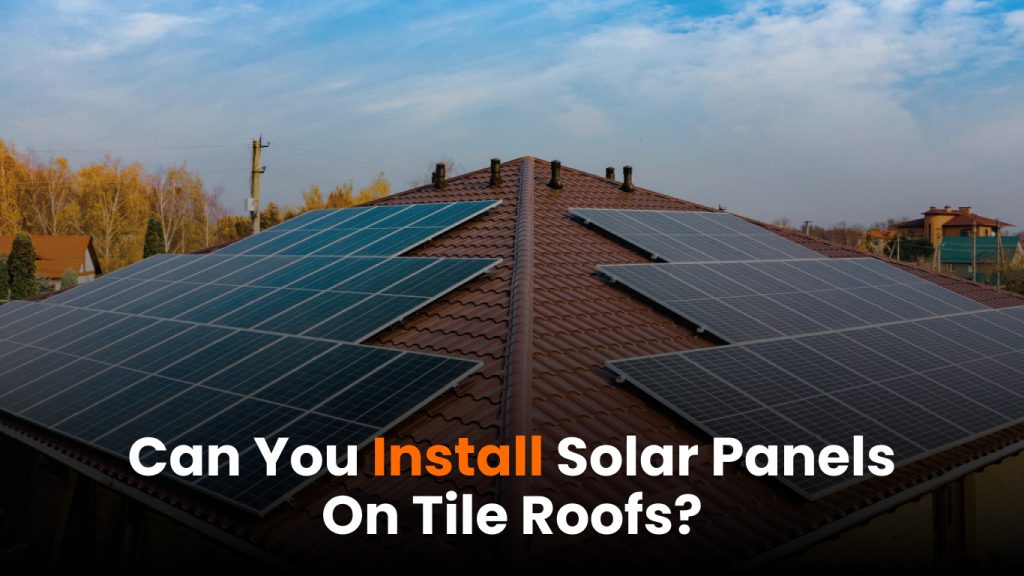
If you have a tile roof and are thinking about going solar, one of the first questions that probably comes to mind is whether solar panels can actually be installed safely on your roof. The good news is yes, they can. However, tile roofs need a different installation approach compared to standard asphalt shingle roofs.
Tile roofs, especially clay and lightweight cement tiles, are durable and attractive, but they’re also more fragile. They can crack under pressure if installers don’t use the proper techniques. That’s why planning and installation methods matter so much when adding solar panels to this type of roof.
Here’s what homeowners should know before moving forward with a solar installation on a tile roof.
Why Tile Roofs Need a Different Solar Installation Approach
Tile roofs are commonly found in warmer regions across the Western and Southwestern United States. They often come in styles such as flat tiles, S tiles, or traditional Spanish-style curved tiles.
While these roofs perform well in many weather conditions, the tiles themselves are not designed to support the stress caused by solar mounting systems and foot traffic during installation.
Installing solar panels directly onto lightweight roof tiles can lead to several problems:
Tile Cracking
Tiles can break when installers walk on them or drill through them. Cracked tiles may eventually cause leaks or additional roof damage if not addressed properly.
Damage Beneath the Tiles
Under the tiles is an underlayment layer that helps keep water out of the home. If this protective layer is damaged during installation, moisture issues and roof leaks can develop later.
Long-Term Wear From Vibration
Even if the tiles survive the initial installation, vibrations from wind and panel movement over time can weaken them. Eventually, this may cause cracking underneath the solar system.
Because of these concerns, experienced installers typically avoid traditional mounting methods on lightweight tile roofs.
The Recommended Method for Installing Solar Panels on Tile Roofs
One of the most reliable installation methods is called an inset solar installation, sometimes referred to as a comp-out installation.
Instead of mounting the system directly over fragile roof tiles, installers remove the section of tile beneath the solar array and replace it with composite shingles. The solar system is then mounted onto this reinforced section.
How the Installation Process Works
Removing the Roof Tiles
The roofing crew carefully removes the tiles where the solar panels will be installed. These tiles are usually stored safely so they can be reused later.
Installing Composite Shingles
After removing the tiles, composite shingles are installed in that section of the roof. These shingles provide a stronger and more dependable surface for the solar mounting system.
Waterproofing and Reinforcement
Flashing is added around the new section to create a waterproof seal. This helps protect the roof from future leaks and water intrusion.
Mounting the Solar Panels
Once the new surface is ready, installers secure the racking system and solar panels onto the composite shingles rather than the original tile roof.
Restoring the Roof Appearance
The original tiles are then placed back around the solar array so the system blends naturally with the roof design. This gives the installation a cleaner and more integrated appearance.
Benefits of an Inset Solar Installation
Helps Prevent Roof Damage
Since the solar system is not mounted directly onto fragile tiles, the chances of cracked tiles and roof damage are significantly reduced.
Better Long-Term Reliability
Solar systems are expected to last for decades. Using the right installation method helps protect both the roof and the solar equipment over the long term.
Cleaner Appearance
Inset installations usually sit lower on the roof and look more built-in compared to standard raised mounting systems.
Possible Tax Credit Eligibility
In some cases, the roofing work involved in a comp-out installation may qualify as part of the solar project for federal solar tax credit purposes. Homeowners should confirm this with a tax professional.
Extra Replacement Tiles for the Future
Because the original tiles are removed carefully, homeowners often end up with spare matching tiles that can be used later if repairs are needed elsewhere on the roof.
What Can Happen Without an Inset Installation?
Some installers may attempt to place solar panels directly on top of tile roofs without removing the tiles first. While this may reduce upfront labor, it can create problems later.
Common issues include:
- Broken roof tiles during installation
- Increased risk of leaks from improper drilling
- Cracked tiles developing over time beneath the mounting system
- Higher maintenance and repair costs later on
Since solar systems are designed to remain in place for 25 years or longer, using the correct installation method from the beginning is important.
Choosing the Right Solar Installer
Not every solar company has experience working with tile roofs. Before hiring an installer, homeowners should ask about the installation process and whether the company regularly handles tile roof projects.
A qualified installer will understand how to protect the roof structure while ensuring the solar system performs properly for years to come.
Final Thoughts
Solar panels can absolutely be installed on tile roofs, but the process requires extra care and the right installation method.
For many tile roof homes, an inset solar installation is one of the safest and most reliable options. By replacing the tile section beneath the solar array with composite shingles, homeowners can reduce the risk of roof damage while maintaining the appearance of the home.
A properly installed solar system can provide long-term energy savings without compromising the integrity of the roof.