

For Iowa businesses, energy costs are a long-term operating consideration. Manufacturers, farms, warehouses, retailers, offices, and other commercial facilities rely on electricity every day, making energy management an important part of controlling overhead.
Solar can give businesses another option: generating a portion of their electricity directly at the property rather than purchasing all of it from the grid.
In 2026, however, the decision requires particularly careful planning. Federal clean-energy tax rules changed significantly in 2025, important deadlines are approaching, and Iowa’s own incentives and utility rules need to be understood before calculating project returns.
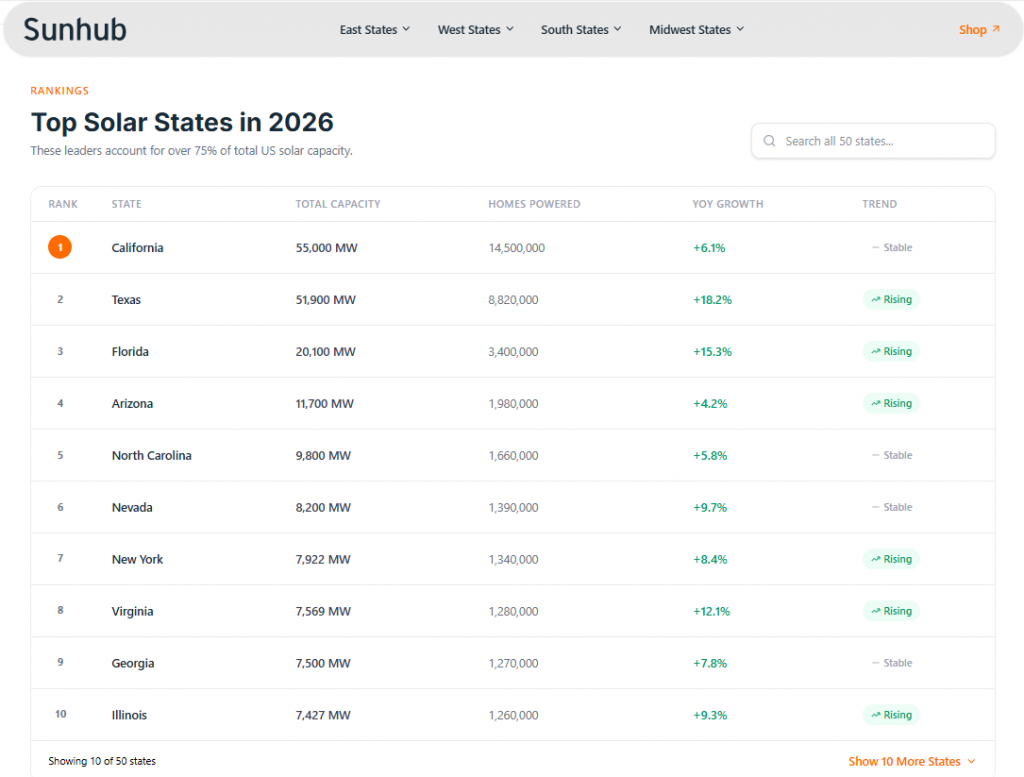
Explore U.S. Solar State Rankings
Compare solar rankings, installed capacity, growth trends, and market performance across all 50 states. Discover regional insights to support smarter procurement and expansion decisions.
For Iowa businesses considering commercial solar, here is what matters now.
Why Iowa businesses are considering solar
Commercial solar is fundamentally an energy investment.
A photovoltaic system generates electricity onsite that can offset electricity the business would otherwise purchase from its utility. The financial benefit depends on the facility’s consumption patterns, electricity rates, system production, financing, project cost, and applicable incentives.
Iowa already has a significant renewable-energy presence. The latest complete state electricity profile from the U.S. Energy Information Administration (EIA) identifies wind as Iowa’s primary electricity generation source and reports an average statewide retail electricity price of 9.34 cents per kilowatt-hour across all sectors in 2024.
For an individual business, statewide averages are less important than its actual utility tariff and load profile. Companies evaluating solar should begin with at least 12 months of electricity bills and, where possible, interval usage data.
1. Federal Solar Tax Rules Make Project Timing Important
One of the biggest considerations for Iowa businesses evaluating solar in 2026 is the federal Clean Electricity Investment Credit under Section 48E.
The rules changed under federal legislation enacted in 2025.
Current IRS guidance states that the Section 48E credit terminates for applicable solar facilities placed in service after December 31, 2027 when construction begins after July 4, 2026. The July 4, 2026 beginning-of-construction date has now passed.
That does not mean businesses starting projects now automatically lose access to the credit. It means projects beginning construction after July 4, 2026 generally need to satisfy the applicable requirements and be placed in service by the end of 2027 to avoid the new solar credit termination rule.
For Iowa businesses starting solar projects in late 2026, scheduling has therefore become a significant part of tax planning.
Engineering, permitting, equipment procurement, construction, utility interconnection, and commissioning can all affect when a system is ultimately placed in service.
Businesses should confirm their project’s eligibility and timing with qualified tax and legal professionals rather than relying on tax guidance written before the 2025 legislative changes.
2. 100% bonus depreciation can affect commercial solar economics
Tax credits aren’t the only federal tax consideration.
Federal legislation enacted in 2025 restored 100% additional first-year depreciation for certain qualifying business property acquired and placed in service after January 19, 2025. IRS guidance explains that qualifying property can include tangible property depreciated under MACRS with a recovery period of 20 years or less, subject to the applicable requirements.
Current IRS guidance also identifies certain qualified clean-energy facilities and qualified Section 48E property placed in service after December 31, 2024 as five-year property for depreciation purposes.
For qualifying businesses, accelerated depreciation can improve early project cash flow by allowing eligible basis to be deducted sooner.
However, depreciation is a tax deduction, not a dollar-for-dollar tax credit. The financial value depends on the company’s taxable income, tax rate, ownership structure, depreciable basis, and other circumstances.
Businesses should have a tax professional calculate depreciation rather than simply assuming the entire project cost can be deducted immediately.
3. Iowa exempts solar energy equipment from sales tax
Iowa also provides an important state-level benefit.
Under Iowa Code Section 423.3, the sales price of qualifying solar energy equipment is exempt from state sales and use tax. The law defines solar energy equipment as equipment primarily used to collect and convert solar radiation into thermal, mechanical, or electrical energy, as well as equipment primarily used to transform that converted energy to storage or a point of use.
For a substantial commercial installation, avoiding sales tax on qualifying equipment can meaningfully affect upfront project costs.
Businesses should still verify which components of their specific project fall within the statutory definition before incorporating the exemption into financial projections.
4. Solar can receive favorable property-tax treatment in Iowa
Iowa businesses should also consider how installing solar could affect the assessed value of their property.
Current Iowa law provides that installing a solar energy system on commercial, industrial, agricultural, or residential property does not increase the property’s actual, assessed, or taxable value for five full assessment years.
The Iowa Department of Revenue further explains that, for locally assessed solar property, Iowa Code Section 441.21 provides a five-year exclusion of the solar energy system’s value from the property’s assessment.
This can help businesses avoid an immediate property-tax increase attributable to the installation while the project begins generating energy savings.
Tax treatment can vary according to the type of solar facility and how the property is assessed, so larger or utility-scale projects should review their specific situation carefully.
5. Don’t count on Iowa’s old solar tax credit
This is an important distinction for businesses researching solar incentives online.
Iowa previously offered a Solar Energy System Tax Credit for qualifying business installations. However, the Iowa Department of Revenue states that business installations beginning construction after December 31, 2021 are not eligible for that state credit.
Therefore, an Iowa business beginning a new commercial solar project in 2026 should not include the old Iowa Solar Energy System Tax Credit in its financial model.
This is exactly why current information matters when evaluating solar ROI. Older articles may list incentives that no longer apply to newly constructed systems.
6. Understand Iowa’s distributed generation rules
A commercial solar system that operates in parallel with the electric grid must also comply with the applicable utility’s interconnection and distributed-generation requirements.
The Iowa Utilities Commission (IUC) explains that distributed generation includes electricity-producing facilities located at or near the customer’s property. Iowa’s regulated utilities have tariffs governing how eligible distributed generation is interconnected and compensated.
The IUC reported approximately 266.7 MW of installed distributed generation across the state’s two rate-regulated utilities in its 2024 calculation, representing a statewide penetration rate of about 3.30% under the statutory methodology.
Businesses should not assume that every kilowatt-hour exported to the grid will receive the same treatment as electricity consumed onsite.
Utility, system size, tariff, interconnection arrangement, and export rules can all influence project economics.
7. Start with your business’s electricity load
One of the biggest mistakes in commercial solar planning is determining system size based solely on available roof space.
The better starting point is electricity consumption.
Businesses should examine:
- Annual electricity usage
- Monthly consumption
- Daytime load
- Peak demand
- Demand charges
- Seasonal variations
- Utility tariff
- Planned business expansion
- Future electrification
A manufacturing facility operating heavily during daylight hours, for example, may have an attractive load profile for onsite solar because electricity is being consumed while the system is producing power.
A business with relatively low daytime demand may require a different system design.
The goal isn’t necessarily to install the largest solar array possible. It is to develop a system that makes sense for the property’s electricity needs and financial objectives.
8. Commercial roofs and land can become energy-producing assets
Many Iowa businesses have substantial physical space available for solar.
Warehouses and manufacturing facilities may have large rooftops. Agricultural businesses may have barns or other structures. Companies with additional property may consider ground-mounted arrays, while businesses with large parking areas can potentially evaluate solar carports.
Before choosing a configuration, the project team should assess:
- Roof age and condition
- Structural capacity
- Shading
- Available acreage
- Electrical infrastructure
- Drainage
- Wind and snow loads
- Local permitting
- Utility interconnection
For rooftop installations, coordinating solar with future roof replacement plans is particularly important. Removing and reinstalling a large commercial array because the underlying roof needs replacement can add avoidable costs.
9. Equipment procurement matters more with tight project timelines
With federal timing rules now putting greater emphasis on when certain projects are placed in service, procurement deserves attention early in development.
Commercial projects may require substantial quantities of:
- Solar modules
- Inverters
- Racking
- Transformers
- Switchgear
- Wiring
- Monitoring equipment
- Battery storage
Availability can affect construction schedules.
A project that has completed engineering but cannot obtain a critical transformer, inverter, or other component may face delays that affect commissioning.
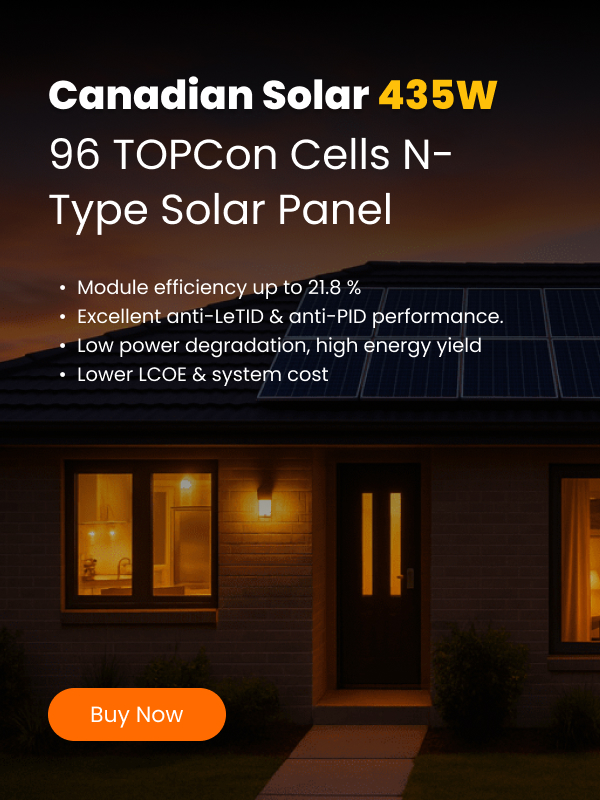
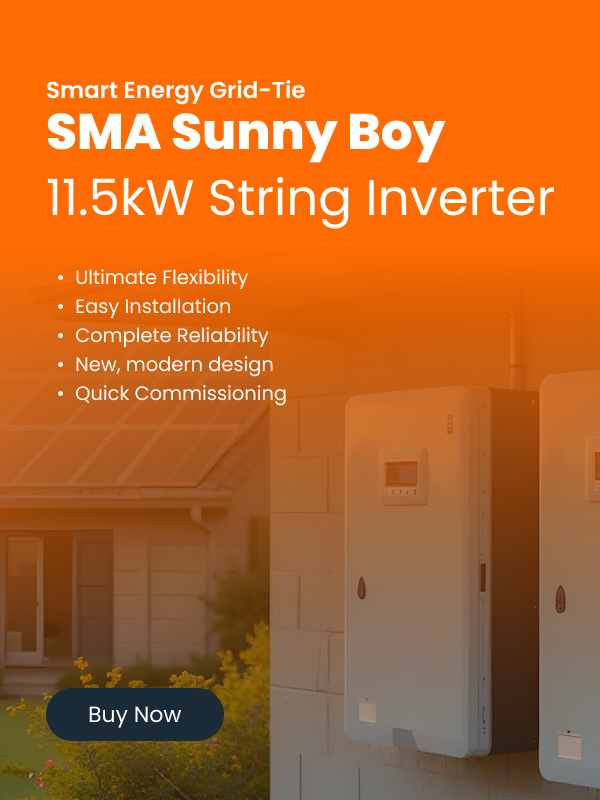
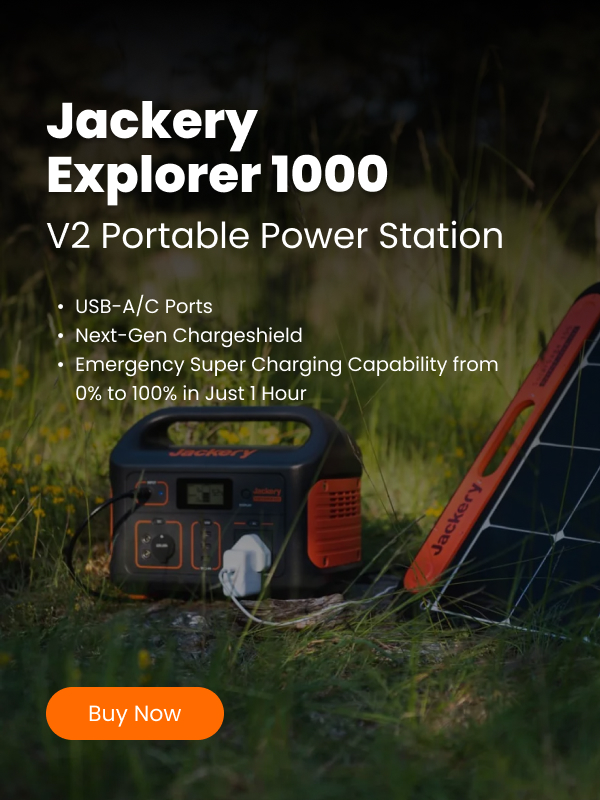
Iowa businesses and their EPC partners should therefore evaluate equipment availability and lead times alongside pricing, certifications, warranties, compatibility, and manufacturer support. For additional sourcing context, explore how businesses use a solar equipment marketplace.
The cheapest quote is not necessarily the best procurement decision if equipment cannot arrive when the project needs it.
10. Is solar worth it for Iowa businesses?
There isn’t one answer for every company.
The financial case should be calculated using the business’s actual property, electricity consumption, tax situation, and project costs.
A comprehensive commercial solar analysis can consider:
Project costs: Equipment, engineering, installation, permitting, interconnection, financing, and ongoing maintenance.
Energy value: Electricity purchases avoided through onsite solar generation.
Tax treatment: Applicable federal credits, depreciation, Iowa sales-tax treatment, and property-tax treatment.
Financing: Cash purchase, commercial loans, leases, or power purchase agreements where available.
Long-term performance: Module degradation, equipment warranties, maintenance requirements, and expected system life.
Financial metrics such as payback period, net present value (NPV), internal rate of return (IRR), and lifetime electricity savings can provide a more complete picture than looking at installation cost alone.
Conclusion
For Iowa businesses, solar remains worth evaluating in 2026:but the financial landscape is more time-sensitive and complex than it was only a few years ago.
Iowa continues to provide favorable treatment for qualifying solar equipment through its sales-tax exemption and five-year property-assessment provision. At the federal level, qualifying business property may also benefit from accelerated depreciation.
At the same time, businesses need to pay close attention to federal clean-energy credit deadlines. For applicable solar facilities beginning construction after July 4, 2026, the December 31, 2027 placed-in-service deadline can be particularly important.
The strongest projects therefore begin with careful planning: analyze electricity consumption, evaluate the property, confirm current tax treatment, understand utility interconnection requirements, secure appropriate equipment, and build a realistic construction schedule.
For Iowa companies with suitable facilities and energy loads, solar can become a long-term business asset that reduces grid electricity purchases and provides greater control over energy costs.
Frequently Asked Questions
Are there solar incentives for Iowa businesses in 2026?
Yes, but businesses should distinguish between current and expired programs. Iowa exempts qualifying solar energy equipment from state sales and use tax, and state law provides favorable property-assessment treatment for qualifying solar installations. The old Iowa Solar Energy System Tax Credit, however, is not available for new business projects beginning construction after December 31, 2021.
Does Iowa charge sales tax on solar panels?
Iowa Code Section 423.3 exempts the sales price of qualifying solar energy equipment from sales and use tax. Businesses should verify that the specific equipment in their project falls within the statutory definition.
Will commercial solar increase property taxes in Iowa?
Iowa law provides that construction or installation of a qualifying solar energy system on commercial and industrial property does not increase actual, assessed, and taxable property values for five full assessment years.
Can Iowa businesses use bonus depreciation for solar?
Potentially. The IRS provides permanent 100% additional first-year depreciation for certain qualified property acquired after January 19, 2025. Eligibility and depreciable basis depend on the specific property and taxpayer, so businesses should confirm treatment with a tax professional.
What should an Iowa business do before installing solar?
Start by reviewing electricity bills and load data, assessing roof or land suitability, checking utility interconnection requirements, determining current federal and state tax treatment, obtaining realistic equipment lead times, and modeling the project’s long-term financial performance.
Sources
Iowa Utilities Commission : On-Site Distributed Generation
Iowa Department of Revenue : Solar Energy System Tax Credits
Iowa Legislature : Iowa Code Chapter 423, Sales and Use Tax
Iowa Legislature : Iowa Code Chapter 441, Property Assessment and Valuation
Iowa Department of Revenue : Utility Replacement Tax and Solar Property Guidance
IRS : Publication 946: How to Depreciate Property
IRS : Notice on Solar and Wind Beginning-of-Construction Rules
IRS : Guidance on 100% Additional First-Year Depreciation
U.S. Energy Information Administration : Iowa Electricity Profile