

As the global solar industry continues to scale, one segment that plays a critical behind-the-scenes role is solar panel wholesalers. While manufacturers produce solar panels and installers deploy them, wholesalers act as the essential link that keeps the entire supply chain moving efficiently.
In 2026, with solar demand rising across residential, commercial, and utility-scale markets, solar panel wholesalers are becoming increasingly important in ensuring product availability, competitive pricing, and smooth project execution.
This article explains what solar panel wholesalers are, how they operate, and why they are critical to the solar ecosystem.
What are solar panel wholesalers?
Solar panel wholesalers are businesses that purchase solar equipment in bulk directly from manufacturers and resell it to installers, contractors, and retailers.
Their primary role is distribution. Instead of installers sourcing products from multiple manufacturers, wholesalers provide a centralized platform where they can purchase:
- Solar panels (photovoltaic modules)
- Inverters
- Battery storage systems
- Mounting and racking equipment
- Electrical components
Wholesaling involves buying products at discounted bulk rates and reselling them at a margin to smaller buyers, improving efficiency across the solar supply chain.
How solar panel wholesalers fit into the solar supply chain
The solar industry operates through a multi-layered supply chain:
- Manufacturers produce solar panels and components
- Wholesalers and distributors manage inventory and logistics
- Installers and EPCs purchase products and deploy systems
- End users consume the generated electricity
Wholesalers act as the bridge between manufacturers and installers. They simplify procurement by offering a wide range of products in one place and managing distribution at scale.
In many cases, installers rely on wholesalers because manufacturers may not sell directly to smaller buyers or require high minimum order quantities.
The rise of digital solar wholesalers
In addition to traditional distributors, the industry is seeing the growth of digital-first wholesale platforms.
Platforms like Sunhub Marketplace are redefining how solar equipment is sourced by:
- Connecting buyers and sellers in a centralized marketplace
- Offering real-time pricing and inventory visibility
- Enabling flexible purchasing and financing options
This model reduces friction in procurement and improves transparency across the supply chain, particularly for small to mid-sized installers.
As the solar industry becomes more data-driven, digital wholesalers are expected to play an increasingly important role in scaling distribution.
Types of solar panel wholesalers
Solar panel wholesalers can operate under different business models depending on how they handle inventory and sales.
Merchant (stocking) wholesalers
These wholesalers purchase and store inventory in warehouses and sell directly to customers. They typically offer a wide range of products.
Distributors represent specific manufacturers and often provide technical expertise, training, and support.
Agent wholesalers
Agent wholesalers facilitate transactions between buyers and manufacturers without holding inventory themselves.
Digital marketplace wholesalers
Platforms like Sunhub Marketplace operate as marketplaces, connecting multiple suppliers and buyers while streamlining procurement through technology.
What products do solar wholesalers supply?
Solar wholesalers provide all components required for a complete solar installation.
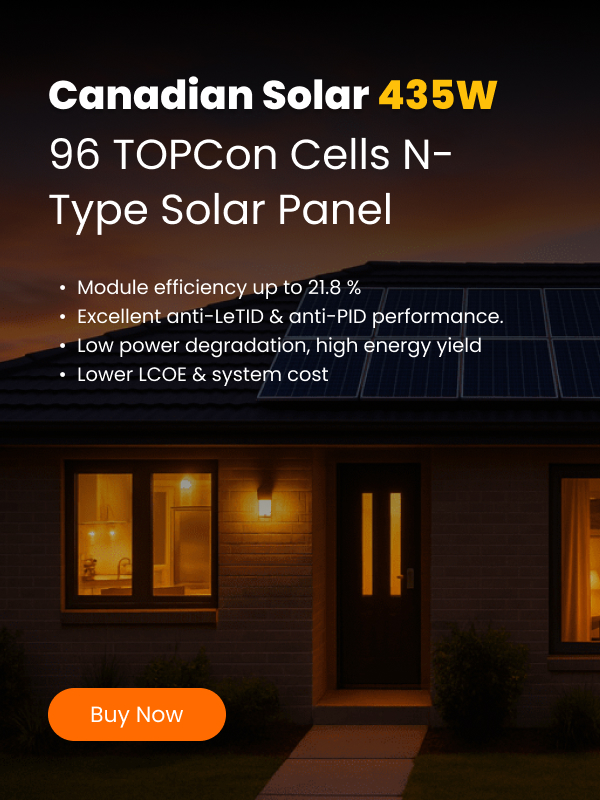
Solar panels
Solar panels convert sunlight into electricity using photovoltaic (PV) technology.
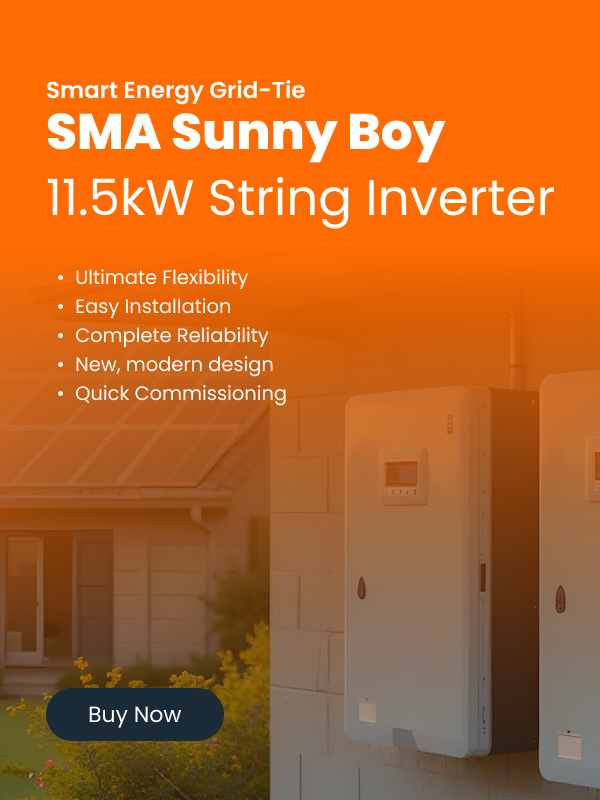
Inverters
Inverters convert DC electricity into usable AC power for homes and businesses.
Battery storage systems
Batteries store excess solar energy for use during periods without sunlight.
Mounting systems
Mounting structures secure panels and optimize their position for energy generation.
Balance of system components
This includes wiring, connectors, and monitoring systems that support overall system functionality.
Why solar panel wholesalers matter in 2026
As solar adoption accelerates globally, wholesalers are critical to enabling growth.
Improving supply chain efficiency
Wholesalers manage inventory and logistics, ensuring products are available when needed and reducing project delays.
Enabling competitive pricing
Bulk purchasing allows wholesalers to secure lower prices, which can be passed down to installers and developers.
Supporting market accessibility
Wholesalers make solar equipment accessible to smaller installers who cannot purchase directly from manufacturers.
Providing technical support
Many wholesalers offer guidance on product selection, system design, and installation.
Scaling solar deployment
By streamlining distribution, wholesalers enable faster and more efficient solar project deployment across markets.

Key trends shaping solar panel wholesalers
Several trends are influencing the wholesale solar market in 2026.
Rising global demand for solar
Growing adoption of solar energy is increasing demand for efficient distribution networks.
Expansion into full energy solutions
Wholesalers are expanding beyond panels to include batteries, EV chargers, and smart energy systems.
Digital transformation
Online platforms are enabling faster procurement, real-time pricing, and improved transparency.
Stronger manufacturer partnerships
Closer collaboration with manufacturers helps ensure product quality and consistent supply.
Challenges facing solar panel wholesalers
Despite strong growth, wholesalers face several challenges.
Price competition
Global competition can put pressure on margins.
Inventory management
Balancing supply and demand is critical to avoid overstocking or shortages.
Supply chain disruptions
Shipping delays and material shortages can impact product availability.
Rapid technology changes
Wholesalers must continuously update their product offerings as technology evolves.
The future of solar panel wholesalers
The role of solar panel wholesalers is expected to expand significantly in the coming years.
As the solar industry grows, wholesalers will:
- Play a larger role in global distribution networks
- Offer integrated energy solutions
- Leverage digital platforms for faster procurement
- Support emerging markets with accessible solar products
Digital marketplaces like Sunhub’s are likely to accelerate this evolution by improving efficiency and accessibility across the supply chain.
Conclusion
Solar panel wholesalers are a critical part of the solar ecosystem, enabling efficient distribution, competitive pricing, and widespread access to solar technology.
In 2026, their role is becoming even more important as demand rises and supply chains evolve. From traditional distributors to digital platforms like Sunhub, wholesalers are shaping how solar equipment is sourced and deployed.
For developers, EPCs, and installers, understanding this segment is key to navigating the solar supply chain and maximizing project success.
FAQs
What is a solar panel wholesaler?
A solar panel wholesaler buys solar equipment in bulk from manufacturers and resells it to installers, contractors, and businesses.
How is Sunhub Trader different from traditional wholesalers?
Sunhub Trader operates as a digital marketplace, connecting multiple buyers and sellers while offering real-time pricing and flexible procurement options.
Who typically buys from solar wholesalers?
Solar installers, EPC companies, contractors, and businesses managing solar projects are the primary buyers.
Do solar wholesalers only sell panels?
No. They typically offer complete systems, including inverters, batteries, mounting equipment, and other components.
Why are solar wholesalers important?
They improve supply chain efficiency, reduce costs, and make solar equipment more accessible across different markets.
Sources
- Solar panel wholesalers overview
- How to choose wholesale solar panels
- Solar wholesale market overview
- Solar panel technology overview