
As the global solar industry scales rapidly, managing the movement of materials, components, and systems has become increasingly complex. Solar supply chain management is now a critical function that determines whether projects are delivered on time, within budget, and at the expected performance level.
In 2026, with rising demand for solar energy and increasing pressure on logistics networks, effective supply chain management is no longer just operational. It is strategic. This article explains what solar supply chain management is, how it works, and why it is essential for the energy industry.
What is Solar Supply Chain Management?
Solar supply chain management refers to the planning, coordination, and control of all activities involved in producing and delivering solar energy systems, from raw materials to final installation.
More broadly, supply chain management involves managing the flow of goods, services, and information from suppliers to end users, including procurement, logistics, and distribution.
What Does It Include?
The solar supply chain covers the full lifecycle of a project:
- Sourcing raw materials such as silicon, glass, and metals
- Manufacturing components like solar panels and inverters
- Transporting equipment across global markets
- Delivering systems to installation sites
- Coordinating final deployment and operations
This process ensures that solar projects are executed efficiently and reliably.
Key Components of the Solar Supply Chain
Solar supply chain management involves multiple interconnected stages.
Raw Material Sourcing
Materials such as silicon, aluminum, and glass are sourced for photovoltaic module production. These materials form the foundation of all solar components.
Manufacturing and Production
Raw materials are processed into solar cells, panels, inverters, and other equipment. This stage requires strict quality control and traceability to ensure performance and compliance.
Procurement and Supplier Management
Selecting reliable suppliers is essential. Companies evaluate suppliers based on cost, quality, and delivery timelines while maintaining multiple sourcing options to reduce risk.
Transportation and Logistics
Solar components are large and sensitive. Proper packaging and transport methods are necessary to prevent damage and ensure timely delivery.
Warehousing and Inventory Management
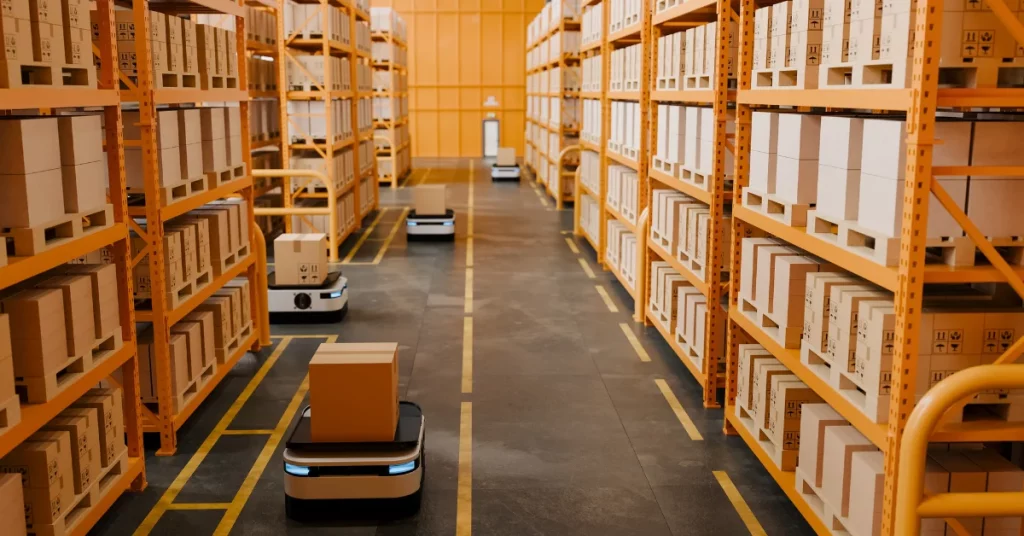
Strategically located warehouses help reduce delays and protect equipment. Efficient inventory systems balance availability with storage costs.
Installation and Last Mile Delivery
Coordinating delivery schedules with installation teams ensures smooth deployment and avoids project delays.
Why Solar Supply Chain Management Matters in 2026
As solar adoption accelerates, supply chain management plays a central role in industry performance.
Ensuring Timely Project Delivery
Delays in equipment can halt entire projects even when installation teams are ready.
Reducing Costs
Efficient procurement, logistics, and inventory planning help control overall project costs.
Improving System Performance
Proper handling and transportation directly impact the durability and efficiency of solar systems.
Supporting Global Scalability
Supply chains must handle increasing demand across multiple regions and markets.
Enhancing Sustainability
Sustainable practices such as reducing emissions and using eco friendly materials are becoming increasingly important.
Key Challenges in Solar Supply Chain Management
Despite its importance, managing the solar supply chain comes with several challenges.
Supply Chain Disruptions
Global events, trade policies, and logistics bottlenecks can delay shipments and increase costs.
Component Shortages
Limited availability of modules, inverters, and other equipment can slow project timelines.
Regulatory Compliance
Companies must follow international trade laws and ensure ethical sourcing of materials.
Inventory Volatility
Balancing supply and demand is difficult, leading to either excess inventory or shortages.
Complexity of Global Networks
Solar supply chains often span multiple countries, requiring coordination across different regulations and logistics systems.



Best Practices for Effective Solar Supply Chain Management
Companies are adopting advanced strategies to improve efficiency and reduce risks.
Diversify Suppliers
Working with multiple suppliers reduces dependency and improves resilience.
Implement Just in Time Inventory
This approach minimizes storage costs and reduces the risk of equipment damage.
Use Digital Platforms
Digital tools help centralize procurement, track inventory, and improve visibility across operations.
Leverage Data and Analytics
Data driven insights improve demand forecasting, logistics planning, and decision making.
Focus on Traceability
Tracking materials from origin to installation ensures quality, compliance, and ethical sourcing.
The Role of Logistics in Solar Supply Chain Management
Logistics is one of the most critical elements of solar supply chain management.
Solar energy logistics involves managing the procurement, transportation, and storage of components such as panels, inverters, and mounting systems.
Why Logistics Matters
Any inefficiency in logistics can lead to:
- Project delays
- Increased costs
- Equipment damage
This is why companies invest heavily in optimizing logistics processes, from packaging to final delivery.
Future Trends Shaping Solar Supply Chain Management
The solar supply chain continues to evolve with technology and market demand.
Digitalization
Automation and online platforms are improving efficiency and visibility.
Localization of Manufacturing
Countries are investing in domestic production to reduce reliance on imports.
Sustainability and Circular Supply Chains
There is increasing focus on recycling, reuse, and reducing environmental impact.
Advanced Tracking Technologies
Technologies such as GPS, RFID, and real time monitoring are improving transparency and control.
Conclusion
Solar supply chain management is a critical foundation of the renewable energy industry. It ensures that solar components move efficiently from raw materials to fully operational systems.
In 2026, companies that invest in strong supply chain strategies are better positioned to deliver projects on time, control costs, and remain competitive. From supplier management to logistics optimization and digital tools, supply chain efficiency plays a key role in scaling solar energy adoption.
FAQs
What is solar supply chain management?
It is the process of managing the flow of solar materials, components, and systems from raw material sourcing to final installation and delivery.
Why is supply chain management important in solar projects?
It ensures timely delivery, reduces costs, improves system performance, and minimizes delays.
What are the main components of the solar supply chain?
Key components include raw material sourcing, manufacturing, procurement, logistics, warehousing, and installation.
What challenges affect solar supply chains?
Common challenges include supply disruptions, component shortages, regulatory compliance, and global logistics complexity.
How is technology improving solar supply chains?
Digital platforms, data analytics, and real time tracking systems are improving efficiency, transparency, and decision making.
Sources
Solar energy logistics checklist, thyssenkrupp
Supply chain management definition, Wikipedia
Solar logistics requirements overview
Solar supply chain traceability protocol
Responsible solar supply chain overview
Solar supply chain transformation, Sunhub