
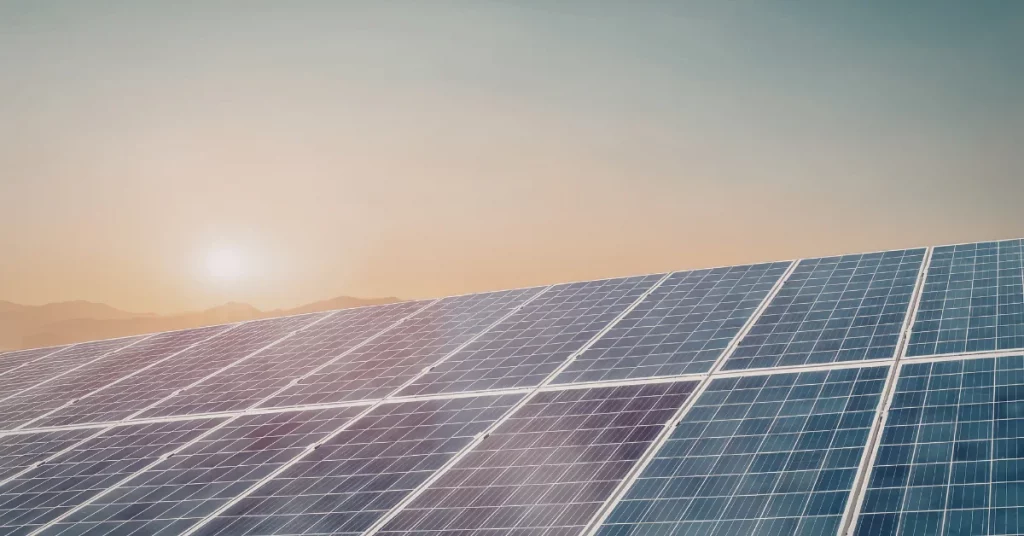
Solar panels are becoming an increasingly popular choice for homeowners in Detroit looking to reduce electricity costs and gain energy independence. As of March 2026, solar adoption in Detroit continues to grow, driven by rising utility prices, improving technology, and long term savings potential.
In this guide, we break down how solar panels work in Detroit, how much they cost, and whether they are a worthwhile investment.
Average cost of solar panels in Detroit
As of March 2026, the average cost of solar panels in Detroit is approximately $2.91 per watt, based on recent marketplace data.
For a typical residential system, this translates to:
- Average system size about 10.5 to 11 kW
- Estimated total cost before incentives about $26,000 to $35,000
- Market average cost about $30,763 before incentives
For example, a 10.57 kW system averages around $30,763 before incentives, with lower end systems costing closer to $26,000 and premium systems exceeding $35,000.
These prices do not include incentives, which can significantly reduce the final cost.
Cost by system size in Detroit
Solar system costs scale directly with size, meaning larger systems generate more electricity but require a higher upfront investment.
As of March 2026 estimates, typical pricing in Detroit includes:
- 3 kW system about $8,700
- 5 kW system about $14,500
- 8 kW system about $23,000
- 10 kW system about $29,000
The key takeaway is that system size depends on your electricity usage. Homes with higher consumption will require larger systems, increasing total cost but also increasing long term savings.

What affects solar panel costs in Detroit
Solar pricing varies from home to home due to several factors.
System size and energy usage
Larger households with higher electricity demand require bigger systems, which increases upfront cost.
Equipment quality
Premium solar panels and inverters offer higher efficiency and longer warranties but come at a higher price point.
Installation complexity
Roof condition, shading, and structural design can affect installation difficulty and labor costs.
Local permitting and labor
Costs can vary across Detroit depending on permitting requirements and installer availability.
Financing method
Cash purchases typically result in the lowest total cost, while loans increase overall costs due to interest.
Solar incentives available in Detroit
Incentives play a major role in improving solar affordability.
Federal solar tax credit ITC
As of March 2026, the federal tax credit allows homeowners to deduct 30% of their solar installation costs from federal taxes, depending on eligibility.
Net metering and utility programs
Michigan offers net metering or similar programs through utilities, allowing homeowners to receive credits for excess electricity sent back to the grid.
Local rebates
Some utilities and programs in Michigan may offer additional rebates, though availability varies by provider.
These incentives can significantly reduce upfront costs and improve overall return on investment.
Are solar panels worth it in Detroit
For many homeowners, solar panels are a strong long term investment.
Payback period
As of March 2026 estimates, the average payback period in Detroit is approximately 15.5 years.
Lifetime savings
Over a 25 year period, homeowners can save around $25,769 on electricity costs.
System lifespan
Most solar systems last 25 to 30 years, meaning homeowners benefit from decades of reduced energy costs.
These factors make solar a financially viable option, particularly for homeowners planning to stay in their property long term.
How Detroit compares to Michigan and national averages
Detroit’s solar pricing is slightly lower than the Michigan state average.
- Detroit average about $2.91 per watt
- Michigan average about $3.04 per watt
- Typical U.S. range about $2.50 to $3.50 per watt
This makes Detroit a relatively competitive market for solar, especially when combined with available incentives.
For sourcing solar panels, batteries, and equipment with flexible pricing and direct supplier access, visit the Sunhub Negotiable Deals platform.
Additional costs to consider
When installing solar panels, it’s important to factor in potential additional expenses:
- Electrical system upgrades
- Roof repairs or reinforcements
- Permitting and inspection fees
- Optional battery storage systems
While these costs are typically smaller compared to the system itself, they can impact your total investment.
Key takeaway what should you expect to pay
As of March 2026, most Detroit homeowners can expect:
- about $26,000 to $35,000 before incentives for a typical system
- about $2.90 per watt as a realistic pricing benchmark
- about 15 to 16 years for payback
- $25,000 plus in long term savings
Solar remains a significant upfront investment, but one that delivers predictable savings and long term energy stability.
For sourcing solar panels, batteries, and equipment with flexible pricing and direct supplier access, visit the Sunhub Negotiable Deals platform.
Conclusion
Solar panels in Detroit are becoming an increasingly attractive option as costs stabilize and long term savings become more predictable. While upfront costs may seem high, the combination of incentives, rising electricity prices, and durable system lifespans makes solar a compelling investment.
For homeowners, the key to maximizing value lies in comparing installer quotes, optimizing system size, and taking full advantage of available incentives.