
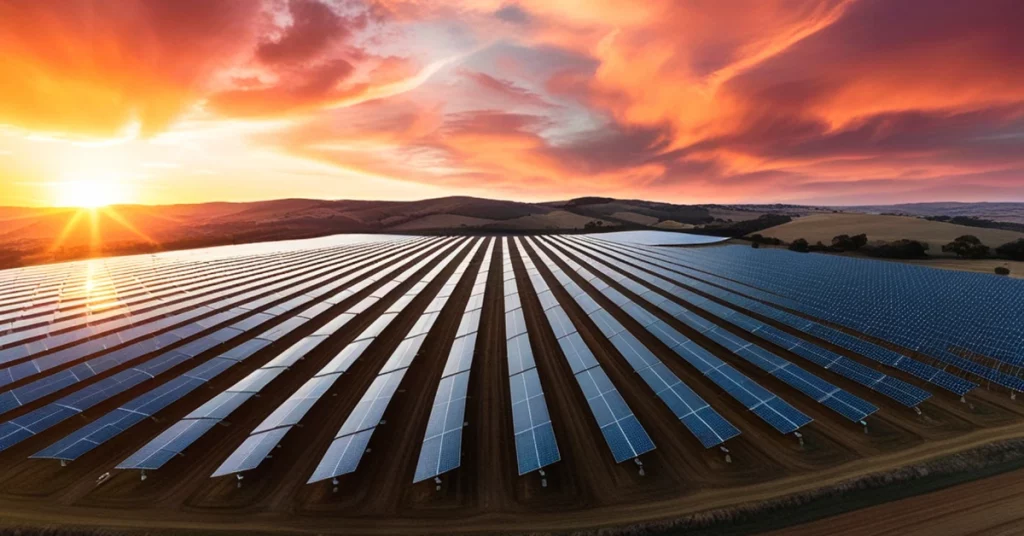
As global demand for renewable energy continues to rise, businesses are increasingly purchasing wholesale solar panels to support residential, commercial, and utility-scale projects. Buying solar panels in bulk can lower equipment costs, improve supply chain efficiency, and simplify project planning. However, successful wholesale procurement involves much more than finding the lowest price.
Installers, EPC contractors, distributors, and developers must evaluate product quality, certifications, warranties, logistics, and supplier reliability before making a purchasing decision. Choosing the right procurement strategy can help reduce project delays, improve long-term system performance, and protect investment.
This guide explains how wholesale solar purchasing works, what buyers should consider before placing an order, and why digital procurement marketplaces are becoming an essential part of the modern solar supply chain.
What are wholesale solar panels?
Wholesale solar panels are photovoltaic (PV) modules sold in bulk quantities directly to businesses rather than individual consumers.
Typical wholesale buyers include:
- Solar installers
- EPC (Engineering, Procurement, and Construction) contractors
- Solar distributors
- Commercial developers
- Utility-scale project owners
- Electrical contractors
Wholesale orders may range from a few pallets to multiple shipping containers depending on project size.
Unlike retail purchases, wholesale transactions typically offer lower per-unit pricing while allowing buyers to source large quantities of equipment for multiple projects.
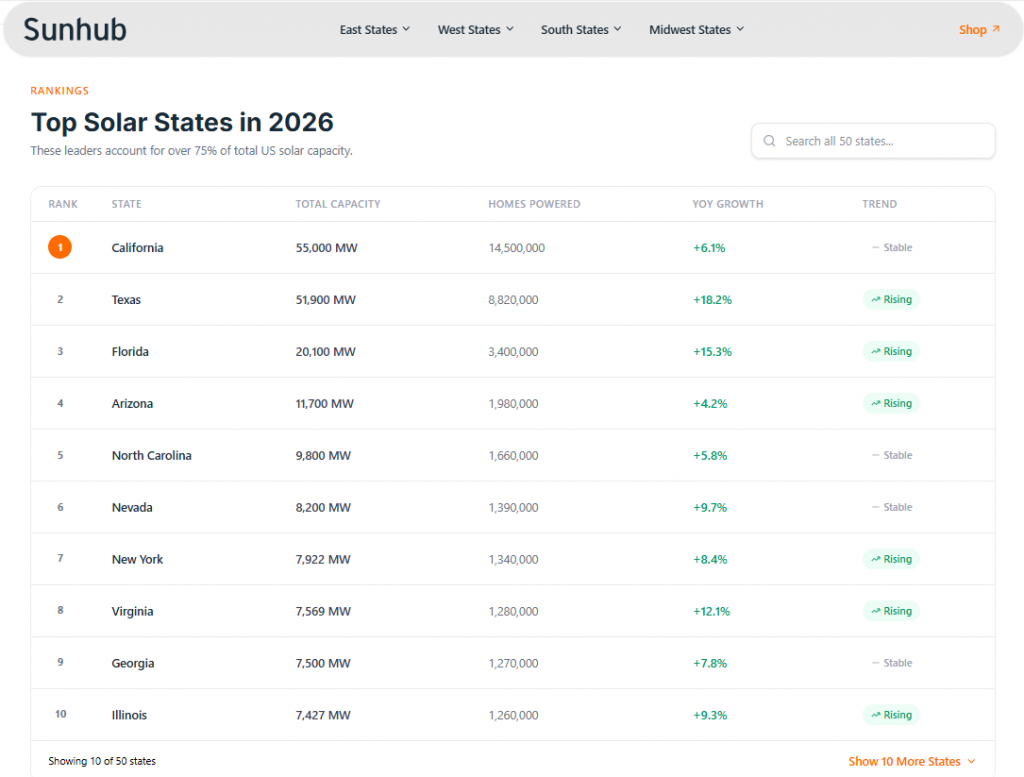
Explore U.S. Solar State Rankings
Compare solar rankings, installed capacity, growth trends, and market performance across all 50 states. Discover regional insights to support smarter procurement and expansion decisions.
Benefits of buying wholesale solar panels
Purchasing solar panels in bulk offers several advantages.
Lower equipment costs
One of the biggest benefits of wholesale purchasing is improved pricing. Bulk orders generally reduce the cost per module, helping businesses improve overall project profitability.
Better inventory availability
Large projects often require hundreds or thousands of identical modules.
Wholesale suppliers typically maintain larger inventories, making it easier to secure consistent equipment for complete installations.
Simplified procurement
Instead of sourcing products individually from multiple manufacturers, wholesale procurement allows buyers to streamline purchasing and reduce administrative workload.
Consistent product quality
Using the same panel model throughout a project helps ensure consistent electrical performance, appearance, and warranty coverage.
Choosing the right wholesale supplier
Selecting a supplier is one of the most important steps in the procurement process.
Before purchasing wholesale solar panels, buyers should evaluate:
- Business reputation
- Years of industry experience
- Product availability
- Manufacturer partnerships
- Technical support
- Warranty assistance
- Shipping capabilities
- Inventory management
Working with established suppliers can reduce procurement risks while improving project reliability.
Verify product certifications
Solar panels should comply with recognized safety and performance standards.
Common certifications include:
- IEC 61215 (performance qualification)
- IEC 61730 (module safety)
- UL 61730 (North American safety certification)
These certifications demonstrate that products have undergone standardized testing for durability, electrical safety, and long-term performance.
Compare more than just price
Although pricing is important, it should never be the only purchasing criterion.
Wholesale buyers should also compare:
- Product efficiency
- Temperature coefficient
- Product warranty
- Performance warranty
- Module degradation rates
- Shipping costs
- Lead times
- Available inventory
A lower-priced panel may not always deliver the best long-term value if it has lower efficiency or shorter warranty coverage.
Leading wholesale solar panel manufacturers
Many wholesale marketplaces carry products from globally recognized manufacturers.
Popular manufacturers include:
- Canadian Solar
- JinkoSolar
- LONGi Solar
- Trina Solar
- JA Solar
- Qcells
- First Solar
- REC Group
These companies manufacture panels used in residential, commercial, and utility-scale projects worldwide.
The best manufacturer depends on project requirements, efficiency goals, budget, and equipment availability rather than brand recognition alone.
Digital solar marketplaces are changing procurement
The solar industry is increasingly moving toward digital procurement platforms.
Instead of relying solely on traditional distributor relationships, businesses can now compare inventory, request quotes, and communicate with suppliers through centralized online marketplaces.
Digital marketplaces offer several advantages:
- Faster sourcing
- Multiple supplier options
- Greater pricing transparency
- Improved inventory visibility
- Streamlined quote comparison
- Simplified procurement management
This approach helps reduce purchasing delays while giving buyers greater flexibility during periods of changing supply and demand.
Questions to ask before placing a wholesale order
Before committing to a supplier, buyers should ask:
- Are the panels certified to applicable standards?
- What warranties are included?
- Are the products currently in stock?
- What are the estimated delivery times?
- Who manages freight claims if products are damaged?
- Are replacement modules readily available?
- Is technical documentation included?
Clarifying these details before purchase helps reduce delays and unexpected costs.
Why wholesale procurement matters
As the global solar market continues to expand, efficient procurement has become increasingly important.
Reliable access to quality equipment helps businesses:
- Complete projects on schedule
- Reduce supply chain disruptions
- Improve installation consistency
- Strengthen customer confidence
- Better manage project costs
According to the International Energy Agency (IEA), continued growth in global solar deployment depends not only on manufacturing capacity but also on efficient supply chains capable of delivering equipment where it is needed. (Sunhub)
Conclusion
Purchasing wholesale solar panels can significantly improve project efficiency, reduce equipment costs, and simplify procurement for installers, EPC contractors, and developers. However, successful wholesale purchasing requires careful evaluation of supplier reliability, product certifications, warranty coverage, logistics, and long-term performance, not simply the lowest available price.
As digital procurement continues transforming the solar industry, businesses have greater opportunities to compare suppliers, improve sourcing efficiency, and secure quality equipment from leading manufacturers. By focusing on value, reliability, and product quality, buyers can build stronger supply chains and support successful solar projects for years to come.
FAQs
What are wholesale solar panels?
Wholesale solar panels are photovoltaic modules sold in bulk quantities to businesses such as installers, distributors, EPC contractors, and developers.
Who typically buys wholesale solar panels?
Wholesale buyers include solar installers, EPC companies, commercial contractors, distributors, utilities, and large-scale project developers.
What certifications should wholesale solar panels have?
Most reputable panels are certified to standards such as IEC 61215, IEC 61730, and UL 61730, demonstrating compliance with recognized safety and performance requirements. (Sunhub)
Is buying wholesale always cheaper?
Bulk purchasing often reduces equipment costs, but buyers should also consider shipping, warranties, certifications, supplier support, and logistics when comparing offers.
What should businesses compare besides price?
In addition to price, buyers should compare efficiency, warranties, degradation rates, certifications, inventory availability, shipping timelines, and supplier reputation.
Sources
- International Energy Agency (IEA) – Solar PV
- U.S. Department of Energy – Solar Energy Technologies Office
- National Renewable Energy Laboratory (NREL
- International Electrotechnical Commission (IEC) – PV Standards: https://www.iec.ch
- UL Solutions – Photovoltaic Module Certification: https://www.ul.com
- Reuters – First Solar and Qcells receive EPEAT environmental certification